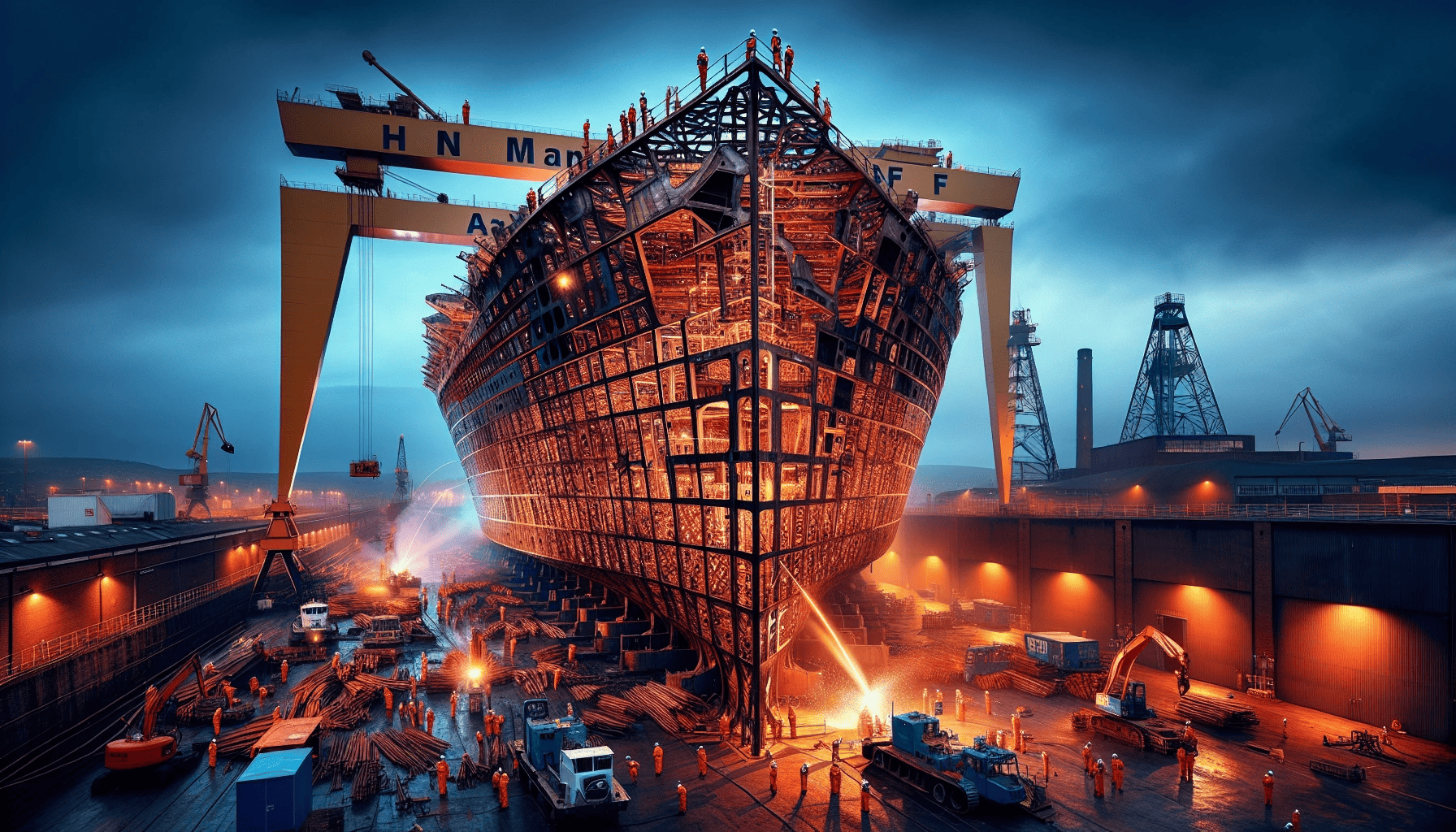
Titanic Belfast, in the city’s Titanic Quarter, sits on the site of the former Harland and Wolff shipyard where the RMS Titanic was designed, built, and launched - now the world’s largest Titanic visitor experience.
The Titanic Experience
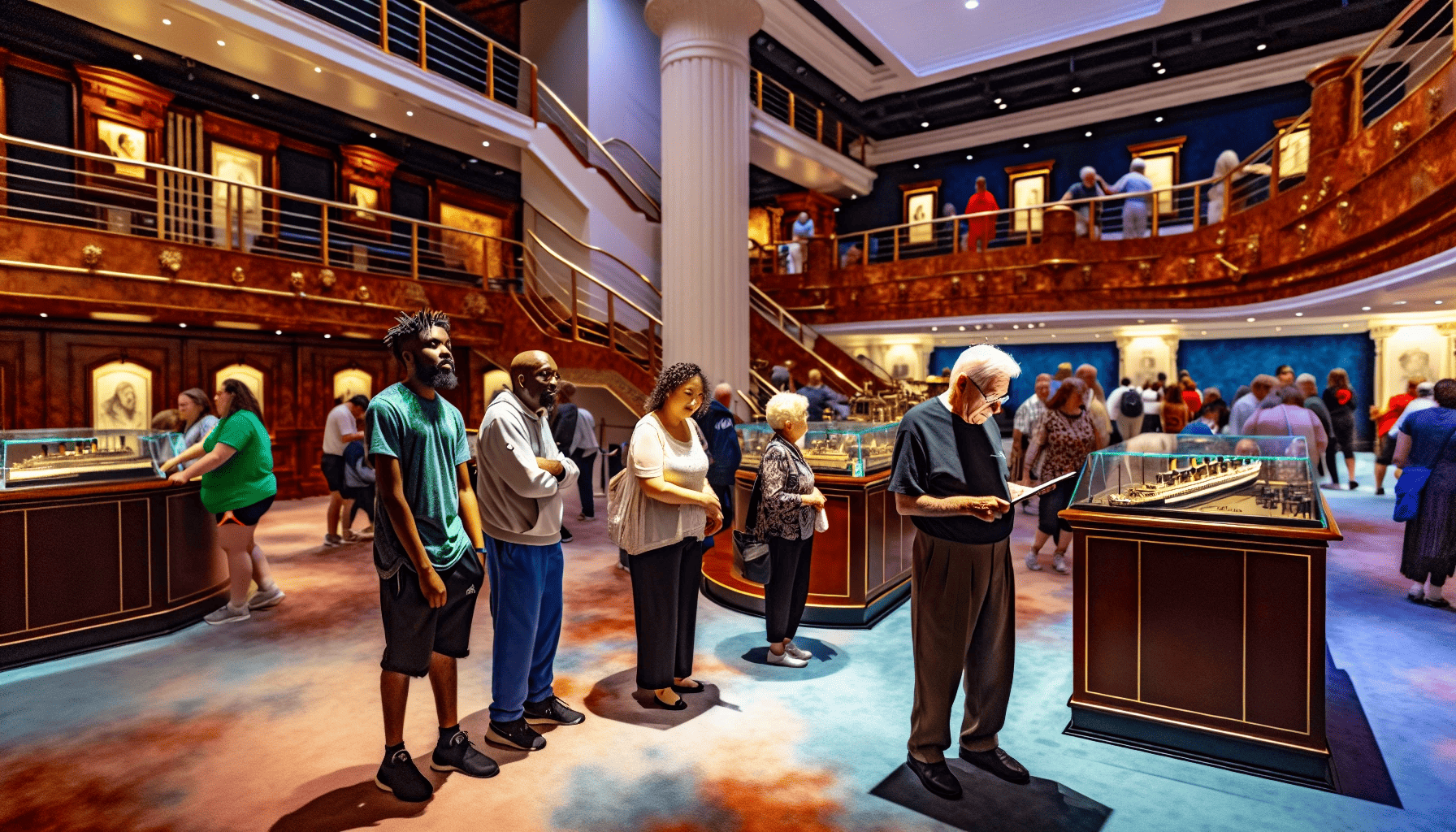
Nine interactive galleries trace the Titanic’s story from conception to construction, launch, sinking, and the wreck’s 1985 rediscovery, using reconstructions, a shipyard ride, and a five-storey Grand Atrium inspired by the gantries and cranes that once filled the shipyard.
History of the Titanic
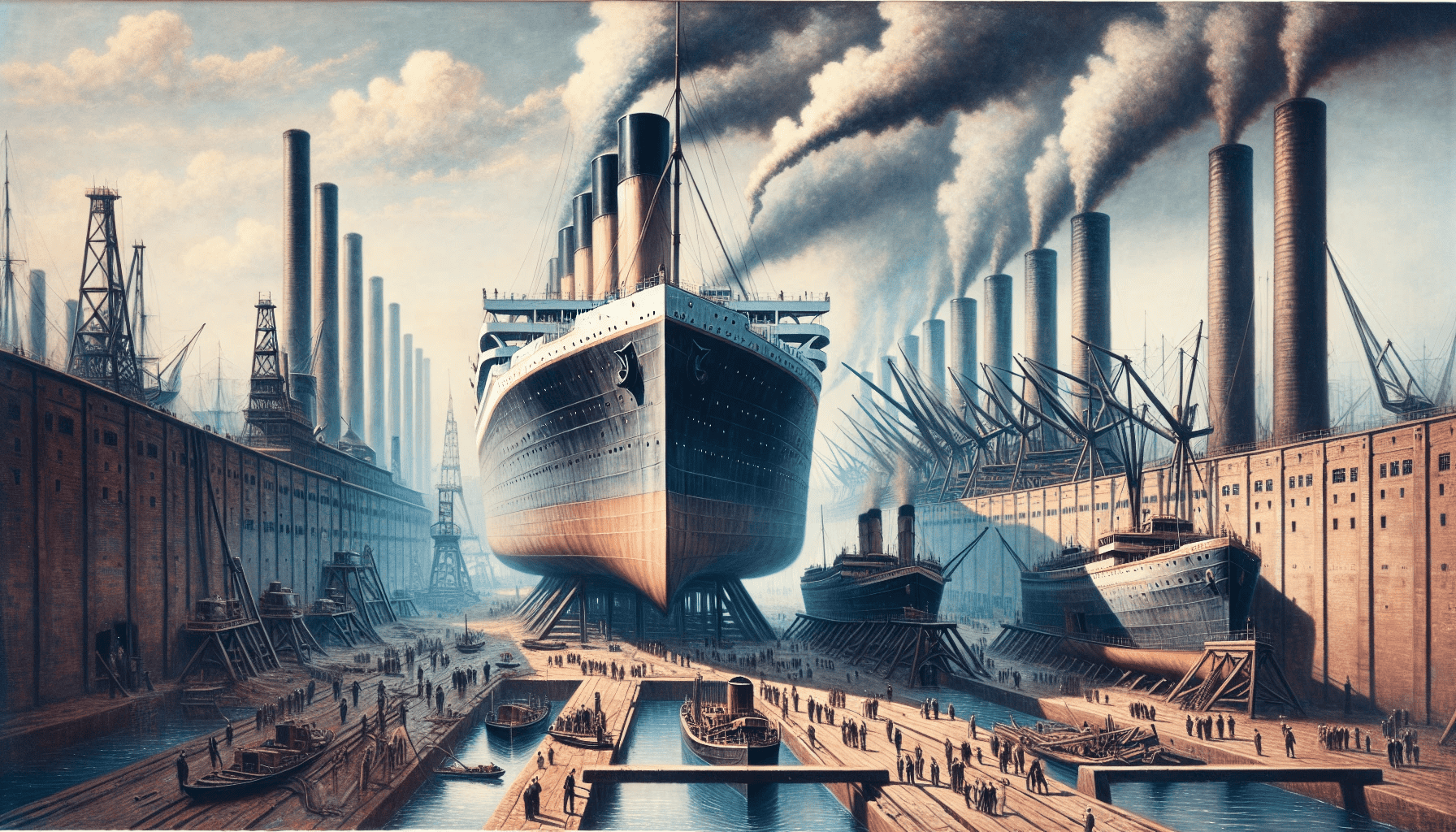
The Titanic was conceived at a 1907 dinner between Bruce Ismay, chairman of White Star Line, and Lord Pirrie (William James Pirrie), chairman of Harland and Wolff. Work on her sister ship, the Olympic, began in December 1908; she launched in 1910 and was delivered in 1911. Titanic’s own construction began in March 1909, and a third sister ship, the Britannic, launched in February 1914 but - with the outbreak of the First World War - was completed as a hospital ship, entering service in 1915.
Three thousand of the roughly 15,000 workers at Harland and Wolff worked on the Titanic, whose hull was launched on 31 May 1911 to cheering crowds. She was outfitted by March 1912 and departed Belfast for Southampton on 2 April 1912.
Bandleader Wallace Hartley, who led the ship’s musicians, was born in Colne, Lancashire. Survivors reported the band playing “Nearer, My God, to Thee” as the ship went down - though wireless operator Harold Bride recalled a different piece, and since none of the eight musicians survived, the truth will never be fully settled.
The Maritime Mile
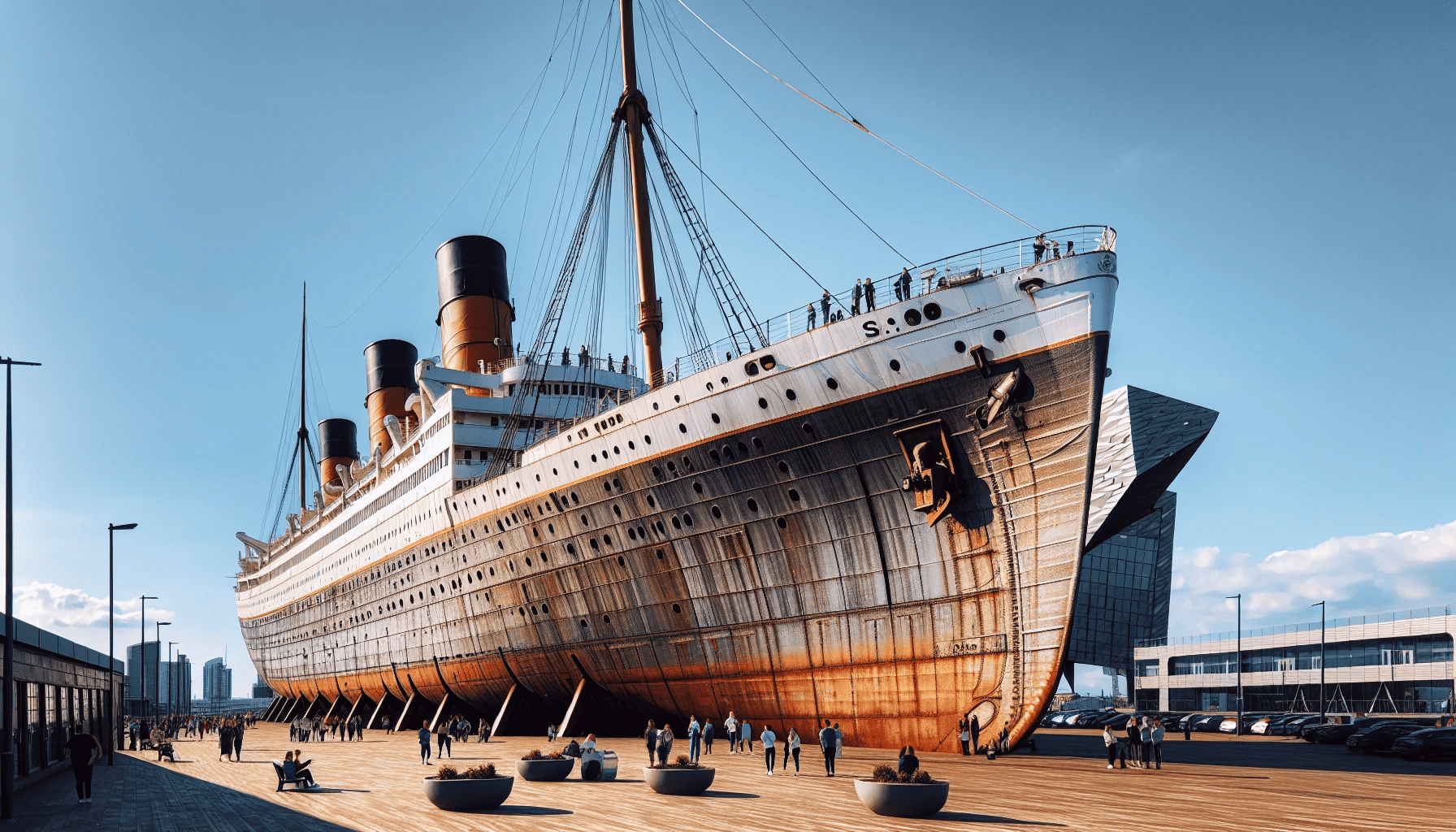
The Maritime Mile links Titanic Belfast to the historic slipways where the Titanic and Olympic were built and launched - now restored as an open-air events venue - and to The Great Light, a 130-year-old lighthouse optic standing 7 metres tall.
Nearby Attractions
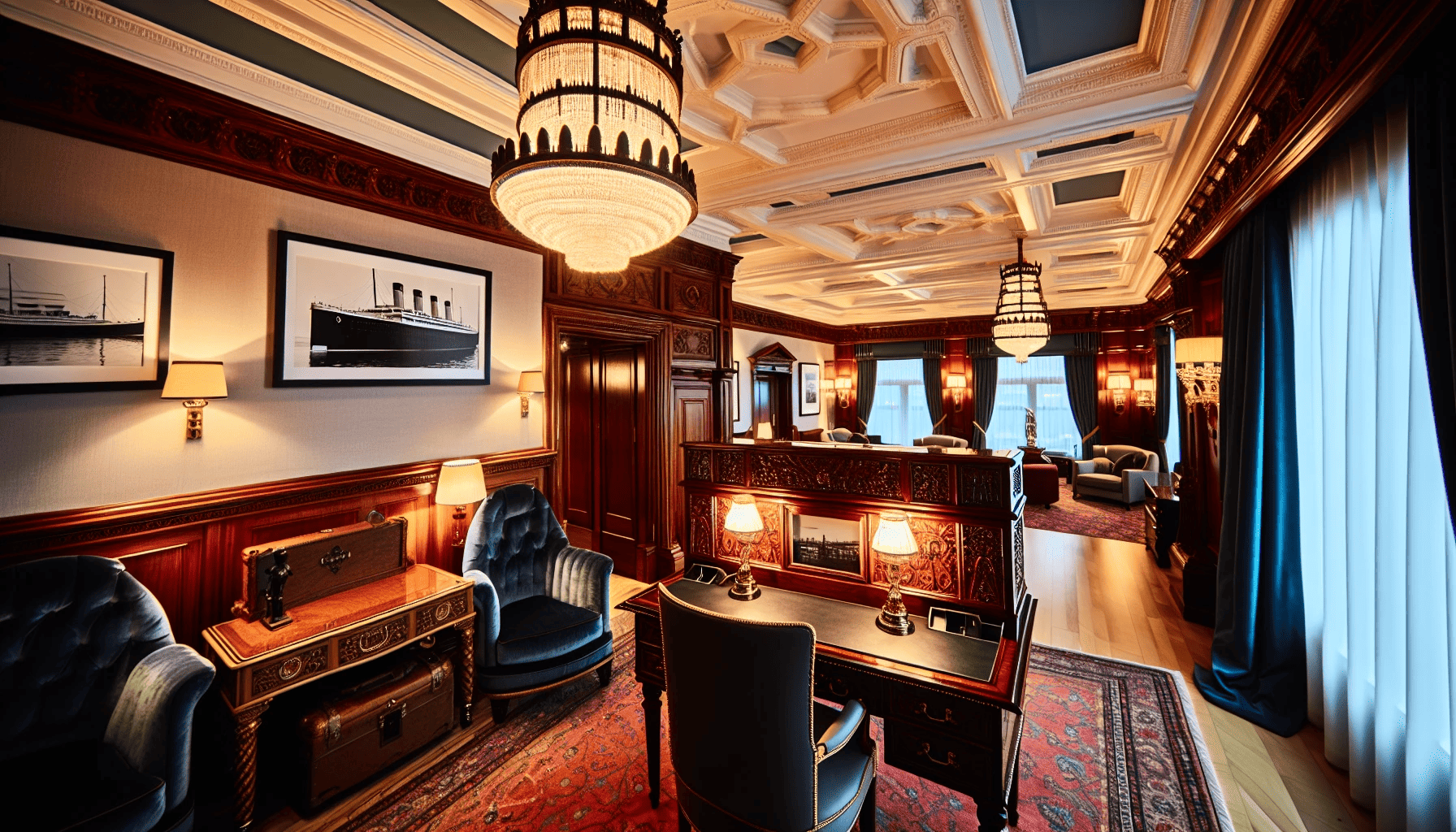
Titanic Hotel Belfast occupies the former Harland and Wolff headquarters, with over 500 Titanic artefacts on display. The SS Nomadic, the last surviving White Star Line vessel (designed by Thomas Andrews and built by Harland and Wolff, and Titanic’s own tender at Cherbourg), is moored at Hamilton Dock. HMS Caroline, the last surviving ship from the 1916 Battle of Jutland, is now a floating museum, also in the Titanic Quarter. The Thompson Graving Dock, where Titanic was fitted out, is also open to visitors as part of the Maritime Mile.
Visiting
Titanic Belfast is around 5-10 minutes by car from George Best Belfast City Airport, or 30 minutes from Belfast International Airport, with bus and train connections to the city centre. Facilities include the Galley Café, Destination Bar, and Titanic Store, with full wheelchair accessibility, lifts between floors, hearing loop audio guides, and ASD-friendly wristbands available on request. Booking tickets in advance is recommended, particularly in peak season - check current admission prices, opening hours, and any seasonal closures for maintenance directly with Titanic Belfast before visiting, since these change from year to year.