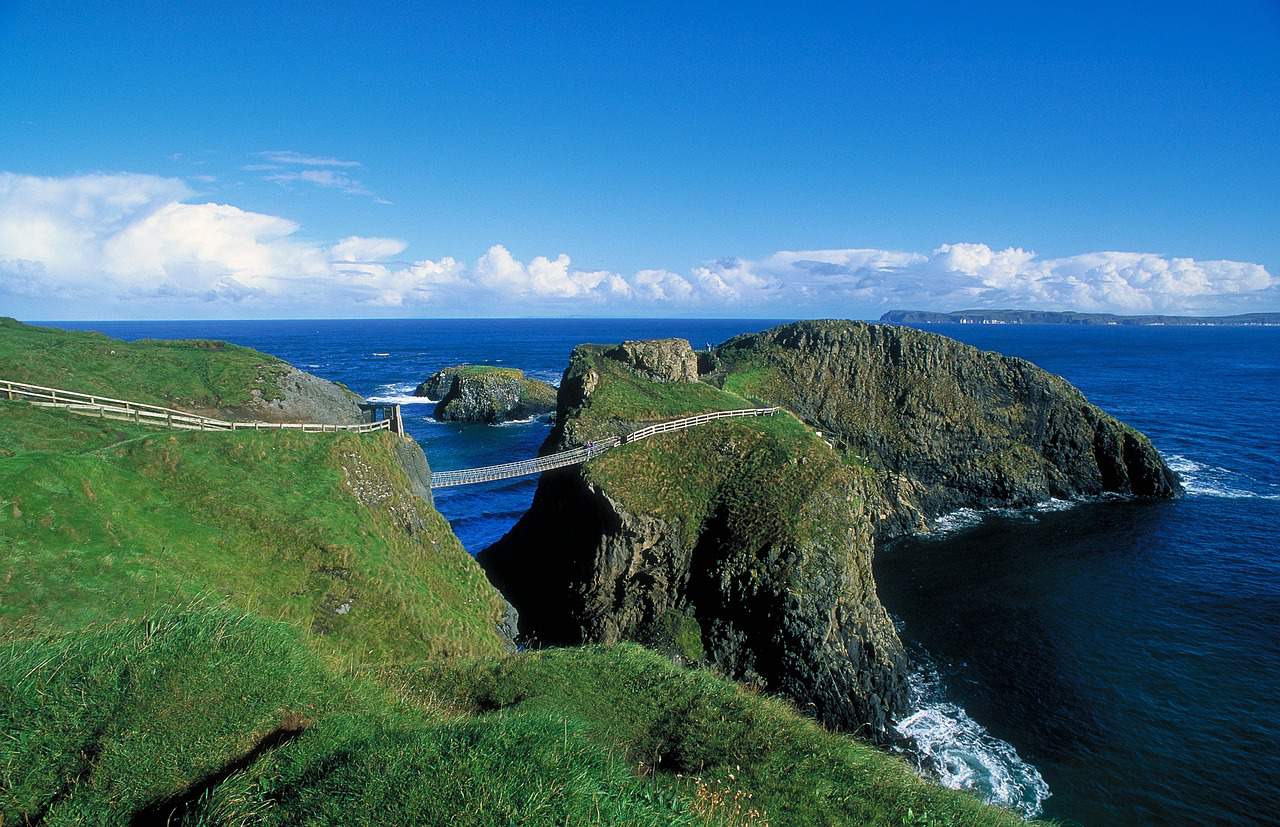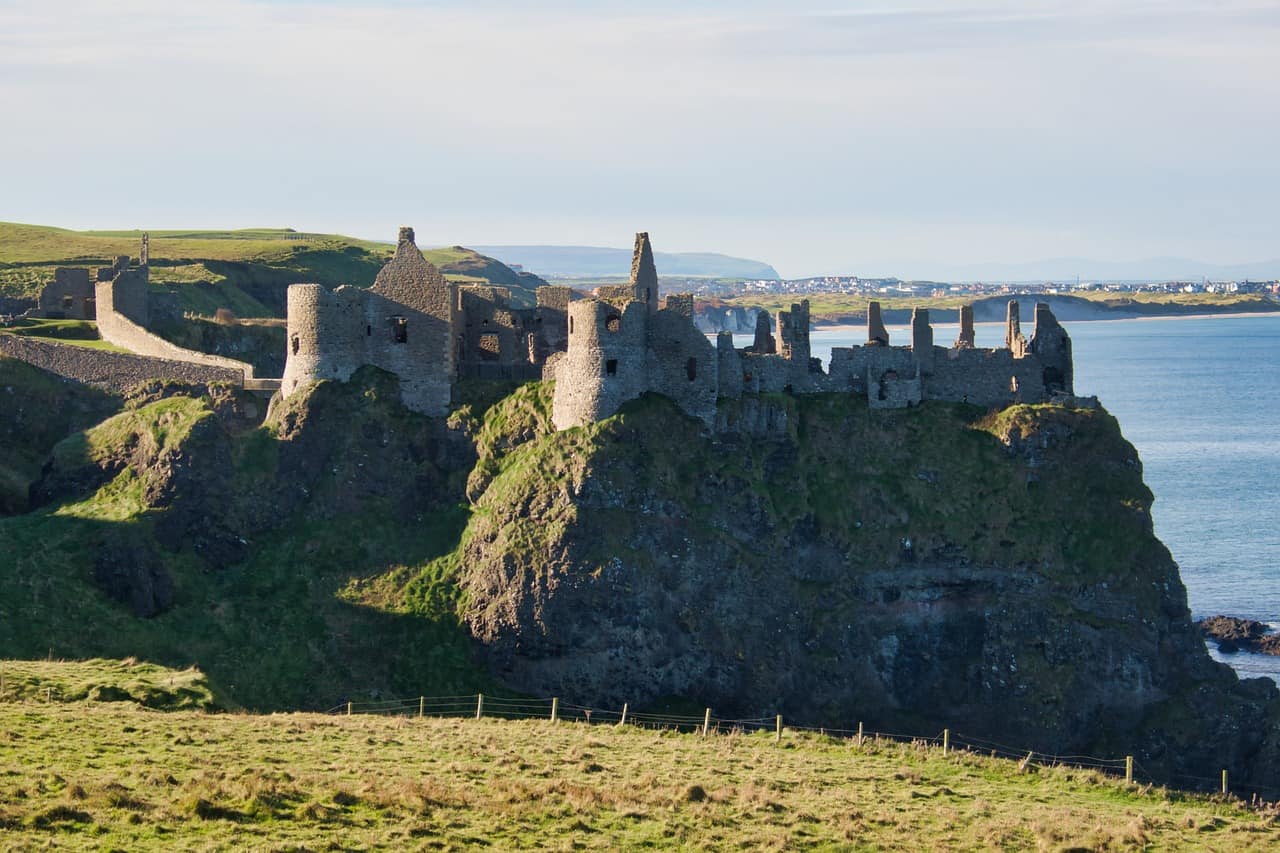
Journeying along the north coast, the ruins of Dunseverick Castle sit perched dramatically on a cliff’s edge in County Antrim, one of Northern Ireland’s most storied landmarks.
How to Get There
Dunseverick Castle is near the village of Dunseverick, about 4.5 miles east of Bushmills and 10 miles from Ballycastle, just off the coast road between the Giant’s Causeway and Whitepark Bay.
By car: roughly 1.5 hours from Belfast, 3.5 from Dublin. From Belfast, take the M2 to Ballymena, then the A26 and A44 toward Ballycastle, passing through the village of Armoy, then follow signs to the castle.
Parking: a small, free car park near the castle holds about 20 cars, a short walk along the Causeway cliff path from the ruins - arrive early in peak season, or use the lay-by around 150m toward Dunseverick.
By public transport: no direct bus or train reaches Dunseverick. The 221 Goldline service runs Belfast to the Giant’s Causeway, changing there for the 402 Coleraine-Ballycastle Translink bus, which stops at Dunseverick Castle - roughly a 2-hour journey. Alternatively, train to Coleraine, then the same 402 bus.
The History of Dunseverick Castle
Dunseverick’s story stretches over 1,500 years, beginning as a stone fort protecting against maritime attack.
Saint Patrick: according to Irish annals, Saint Patrick visited in the 5th century AD and baptised a local man, Olcán, who later became a bishop and saint of the Dál Riada.
Fergus Mor: in the 6th century, the castle - then known as Dún Sobhairce - served as the seat of Fergus Mor MacEirc, King of Dalriada and great-uncle of Muirceartaigh MacEirc, later High King of Ireland. It’s said to have been the starting point of one of the five great royal highways for the Lia Fáil, the legendary coronation stone. Its coastal position made it a frequent target for Viking raiders sailing up the nearby River Bush during the 8th-11th centuries.
Destruction: the castle passed through various Gaelic clans, including the MacDonnells and O’Cahans. In 1642, Robert Munro’s Scottish Covenanter army - sent by the English Parliament to suppress the Ulster rebellion, not Cromwellian forces (Cromwell’s own Irish campaign didn’t begin until 1649) - deliberately wrecked the castle’s defences. Further damage followed during the actual Cromwellian conquest of Ireland in the 1650s, by which point the site was abandoned for good. A small residential tower reportedly survived until 1978; today only the ruins of a gate lodge and some walls remain. The castle and earthworks are scheduled historic monuments, cared for in partnership with local farmer Jack McCurdy.
Things to Do at Dunseverick Castle
Sea views: the ruins and coastal setting are worth the visit regardless of weather - on a clear day, Rathlin Island and even Scotland’s Islay and Jura are visible.
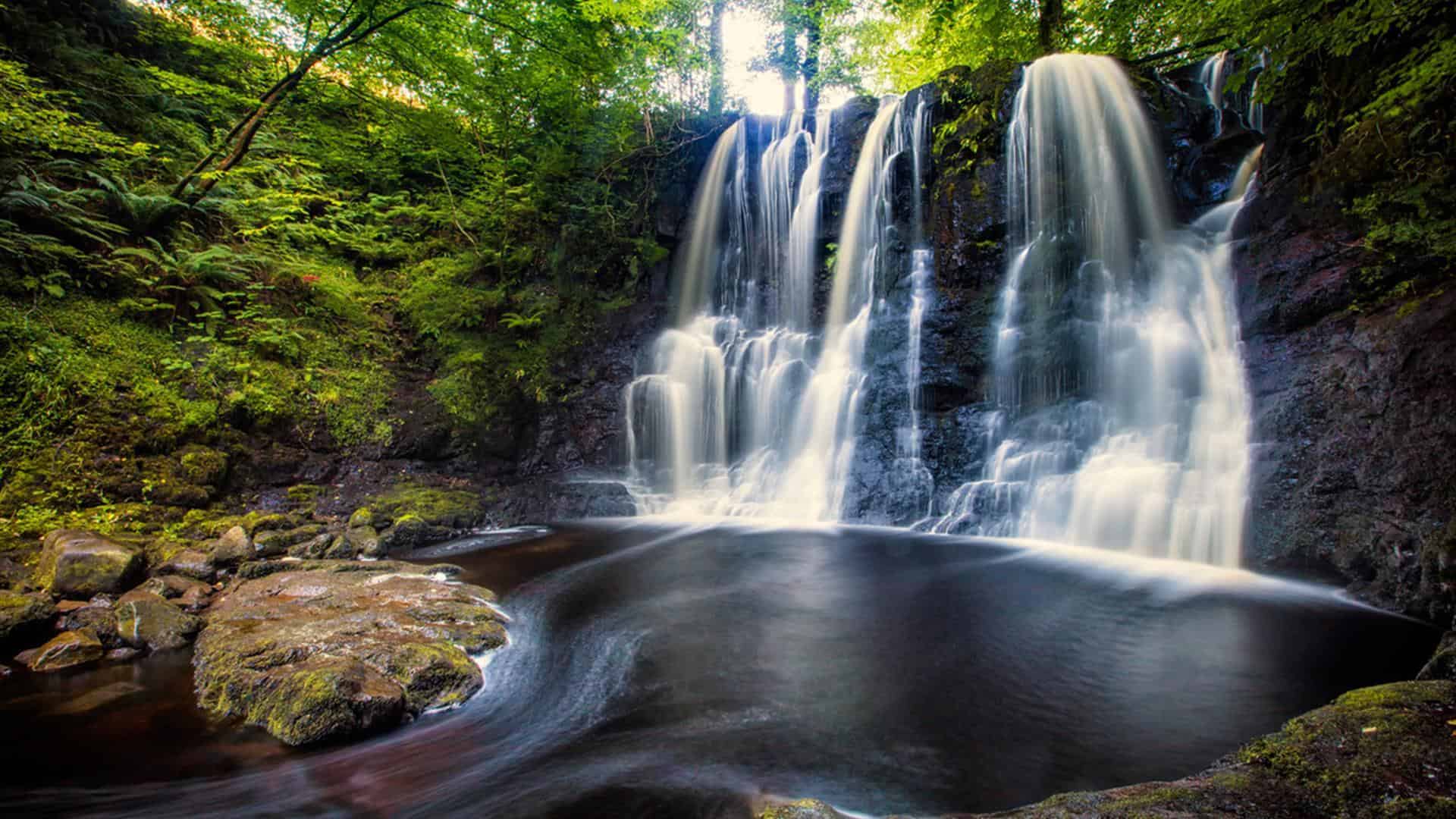
Dunseverick Falls: reachable via a seaside walk from Dunseverick Harbour, with rock pools and a quiet, uncrowded setting.
Walk to the Giant’s Causeway: a roughly 5-mile footpath, part of the Causeway Coast Way and Ulster Way, runs from the castle car park to the Giant’s Causeway (a bus stop at the car park allows a one-way walk). Dress for exposed, changeable cliff conditions.
Nearby
Whitepark Bay Beach (5 minutes), Ballintoy (10 minutes), Kinbane Castle, and the Old Bushmills Distillery are all close by along the Causeway Coastal Route.
Frequently Asked Questions
Who owns Dunseverick Castle? The ruins and earthworks are scheduled historic monuments, cared for by the National Trust in partnership with local farmer Jack McCurdy, on whose land they sit.
Is Dunseverick Castle free to visit? Yes - there’s no admission charge, and the small nearby car park is also free.
Are dogs allowed at Dunseverick Castle? Yes, on leads, as with most outdoor heritage sites along this stretch of coast.
Can you go inside Dunseverick Castle? Not really - only fragments of a gate lodge and some walls survive today, so a visit is about the setting and the sea views rather than an intact building to walk through.