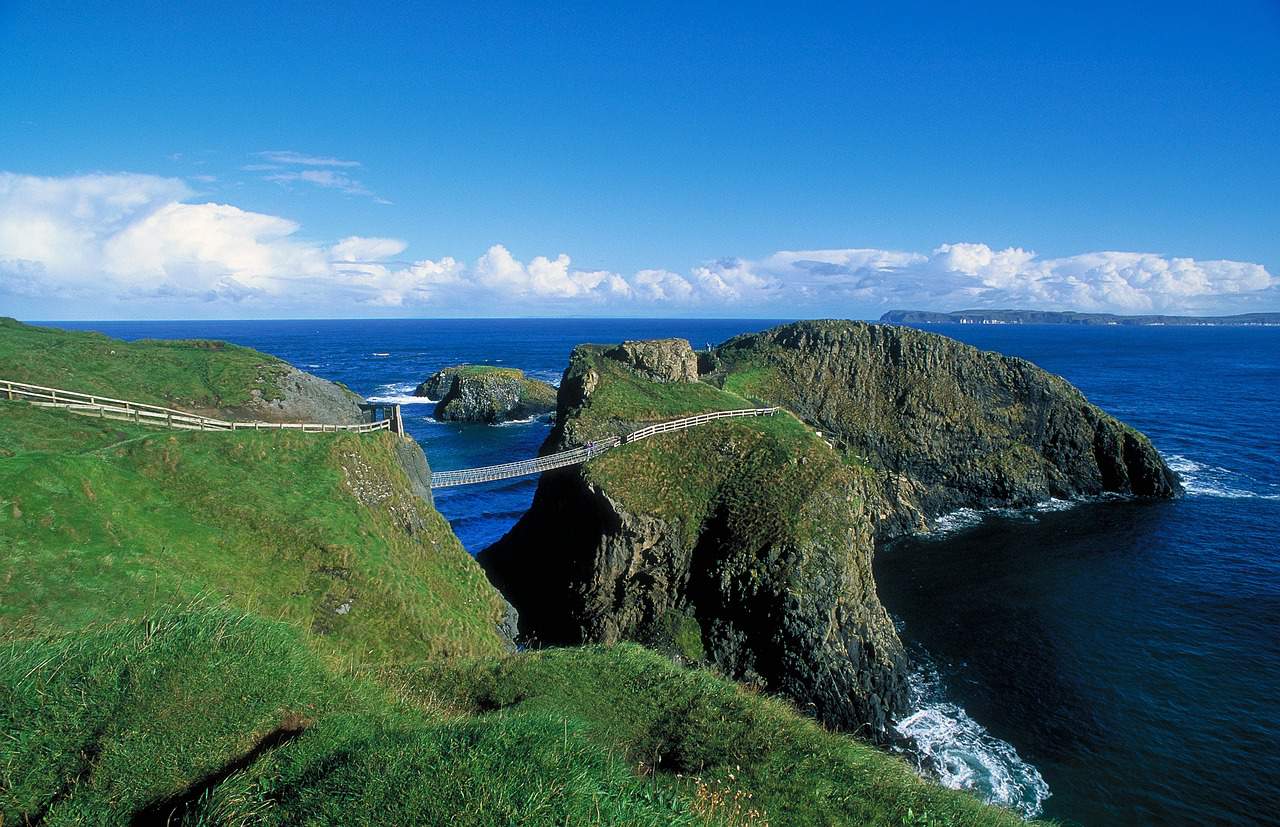
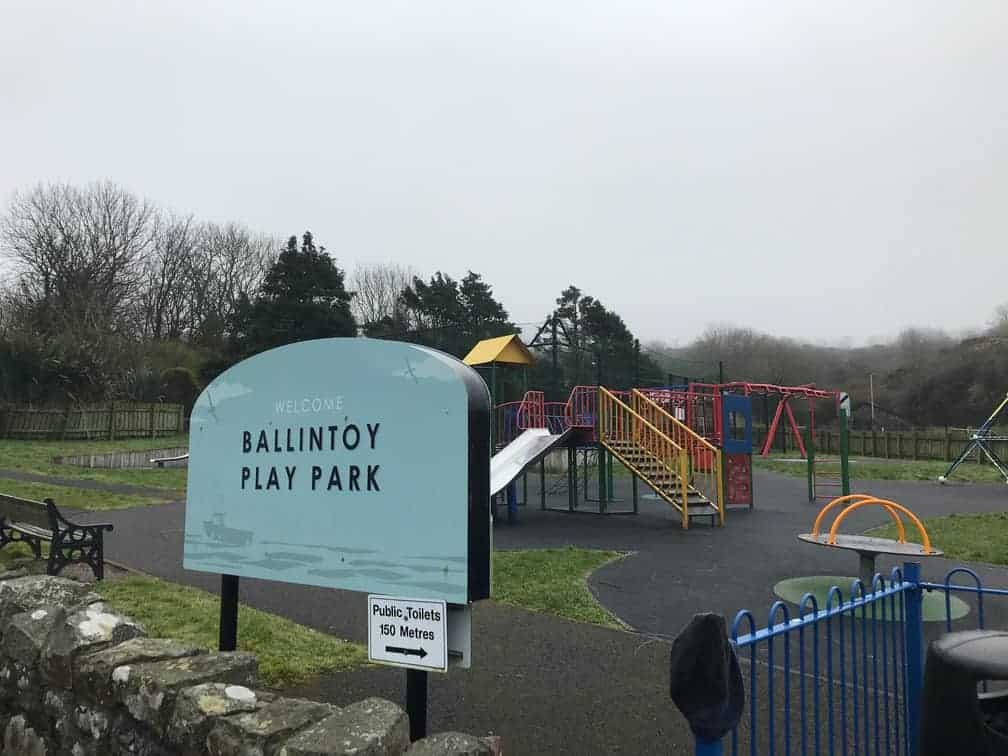
Carrick-a-Rede Rope Bridge, close to Ballintoy on the north coast of County Antrim, Northern Ireland, links the mainland to the small island of Carrick-a-Rede - originally built by salmon fishermen in 1755 to reach their fishing grounds near the headland. Today it’s managed by the National Trust as one of the region’s best-known attractions, drawing close to half a million visitors a year - 485,736 crossed in 2018, and nearly half a million again in 2019, the most recent year that figure was independently confirmed. The National Trust introduced timed online ticketing partly because of that volume, to keep the narrow approach path and the bridge itself from becoming overcrowded at peak times.
The Bridge
The bridge is 20 metres (66ft) long and suspended around 30 metres (98ft) above the sea and rocks below, made of planks, wire, rope, and netting - a single fisherman crossing it in the 1700s would have found a far more precarious version of today’s structure. It’s a genuinely thrilling crossing - not for anyone with a fear of heights, mobility issues, or balance concerns. Children under 8 aren’t recommended to cross the bridge, although there’s no formal age limit.
The bridge is well-maintained and closed in bad weather or high winds, so it’s worth checking conditions before you travel if you’re set on crossing the bridge rather than just viewing it.
The current bridge dates to 2008, replacing an earlier design engineered in 2004. It was built by Heyn Construction of Belfast using wire rope and a Douglas fir deck, and it’s now essentially impossible to fall through the floor or sides - a significant safety upgrade on the original single-handrail crossings, where each fisherman crossed with far larger gaps between the slats underfoot.
Why the Bridge Was Built
Salmon fishermen have been stringing a bridge across to the island for over 350 years, to reach a fishery on the far side that caught salmon migrating past on their way to spawn in the River Bush and the River Bann. The fishery is no longer active - the last fish was caught here in 2002, a casualty of fishing pressure at sea and river pollution rather than anything to do with the bridge itself. The rope crossing that once served working fishermen now exists purely for visitors.
The Geology of the Island
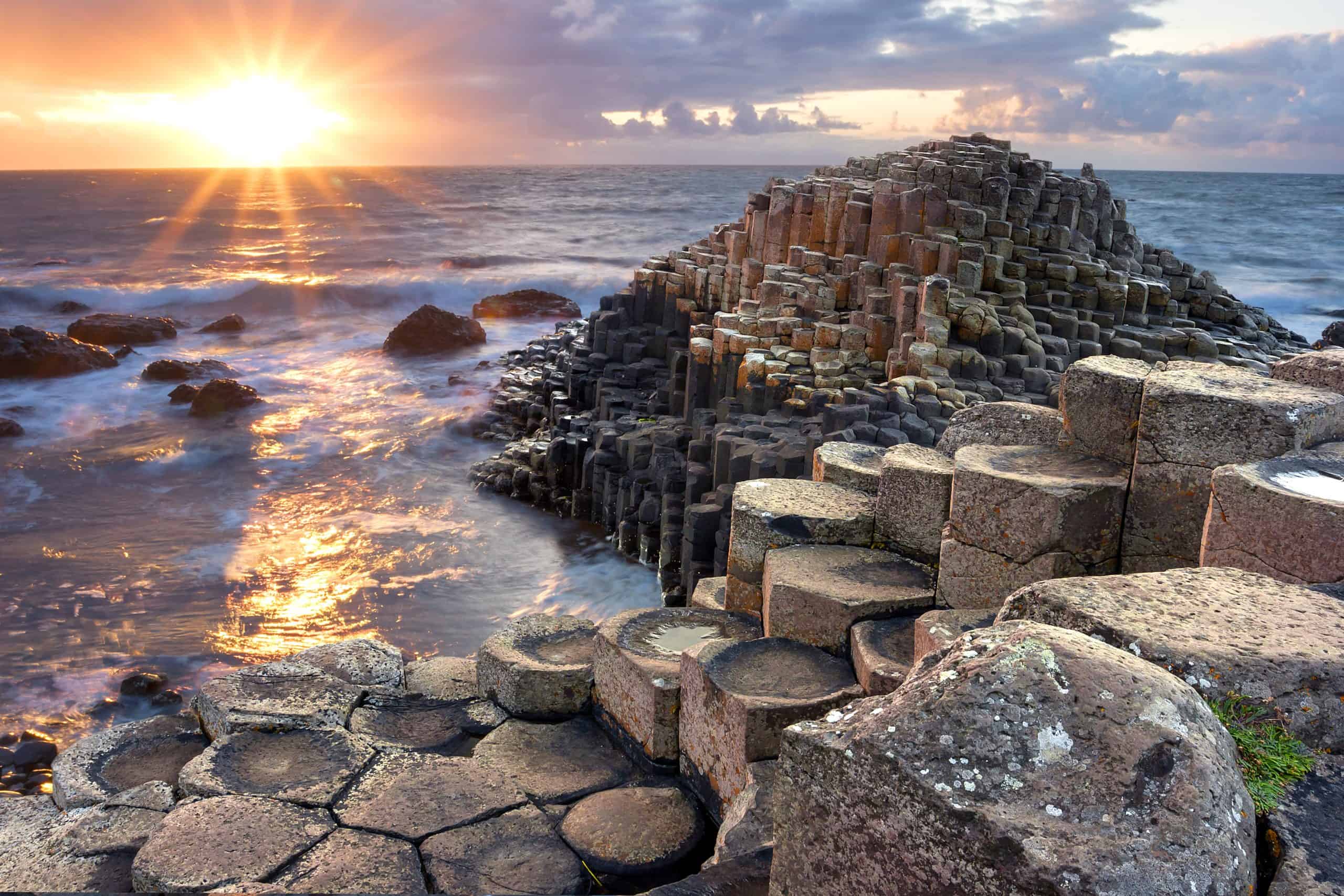
Carrick-a-Rede Island itself is one of the best examples of a volcanic plug in Northern Ireland - marine erosion has worn away the softer rock around it, exposing a cross-section through the neck of an old volcano. Unlike the basalt that makes up most of the Causeway Coast, including the Giant’s Causeway a few miles west, this stretch of north Antrim coast is made of harder dolerite, and the exposed rock shows genuine evidence of the violence of the eruption that formed it around 62 million years ago - explosion breccias, volcanic ash, and volcanic bombs. On a clear day, the island also gives real views across to Rathlin Island and, beyond it, Scotland.
Wildlife
The island is a genuine seabird colony, not just a scenic backdrop - the cliffs and island support breeding kittiwakes, common and black guillemots, razorbills, fulmars, and shags, alongside oystercatchers and, in some years, puffins. Peregrine falcons hunt over the site, and the island is one of the few breeding spots in Northern Ireland for the twite, a small, red-tinged finch. Spring and early summer, roughly April to August, is the best window: the cliffs are busiest with nesting birds, and wildflowers are out along the approach path.
Larrybane Quarry and Game of Thrones
The Carrick-a-Rede Rope Bridge itself was a real filming location for Game of Thrones - the scene where Balon Greyjoy is killed by his brother Euron plays out on a bridge between the towers of Pyke, filmed here. The wider site has a second, less obvious connection: a former chalk quarry nearby, which now serves as the site’s overflow car park, appeared twice as Renly Baratheon’s camp - first in Season 2, Episode 3, for the tournament scene where a mystery knight (later revealed as Brienne of Tarth) bests Ser Loras Tyrell, and again in Season 6, Episode 5, when Stannis Baratheon occupies the same camp. The Kingsmoot scene, where Theon Greyjoy backs his sister Yara’s claim to the Salt Throne, was filmed less than a minute’s walk from the quarry.
Visiting Information
Ticket pricing: Adult £16, Child £8 (National Trust, current). Tickets include reserved parking, the crossing itself, and access to facilities. Pre-booking online is essential in peak season (June-August) - timed-slot ticketing operates May-September, and same-day tickets regularly sell out in summer.
Opening hours: typically from 9:30am, with last crossing around 4:30pm in summer and 3:30pm in winter - confirm current hours before travelling, as they can shift seasonally.
Getting There
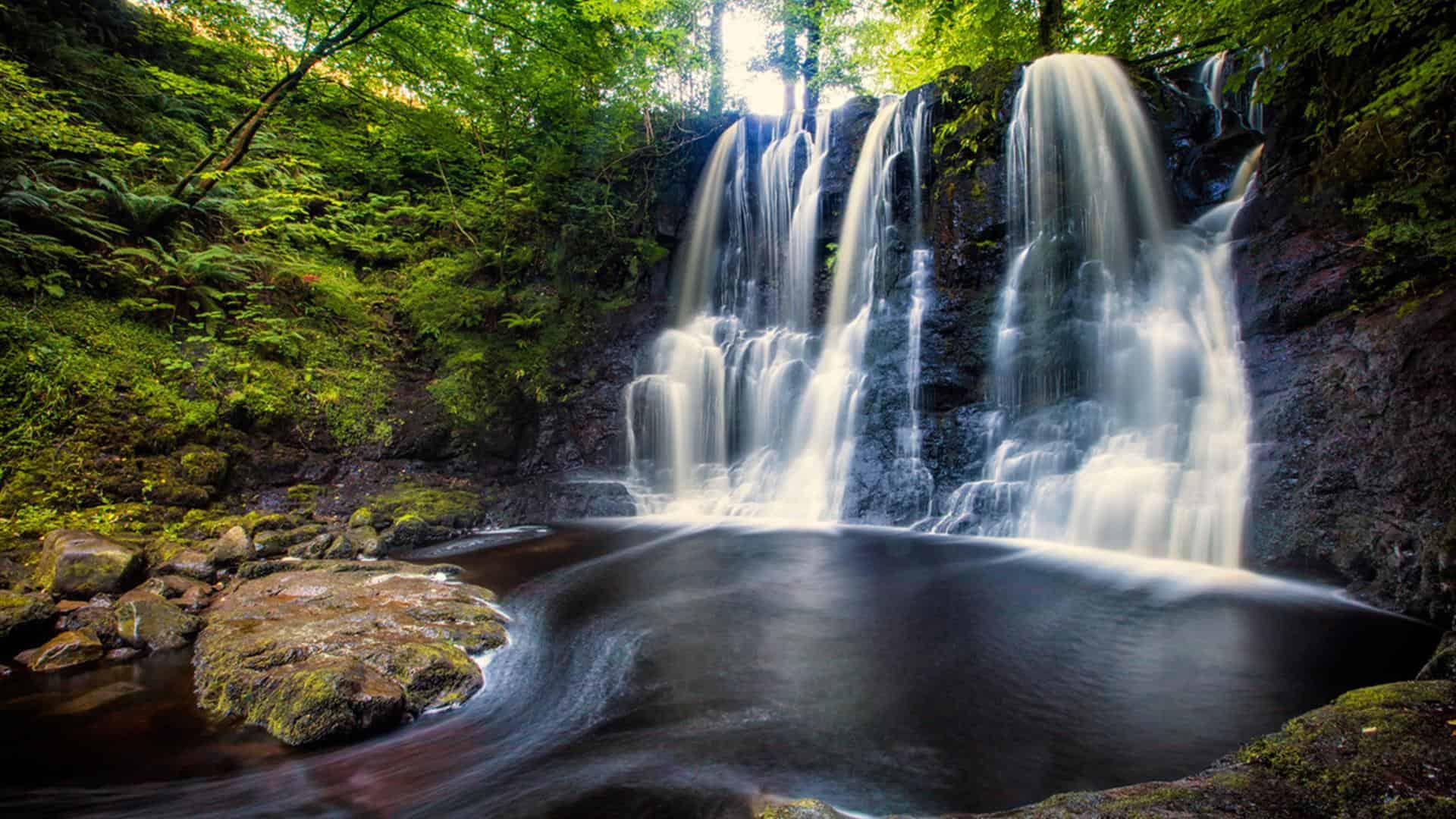
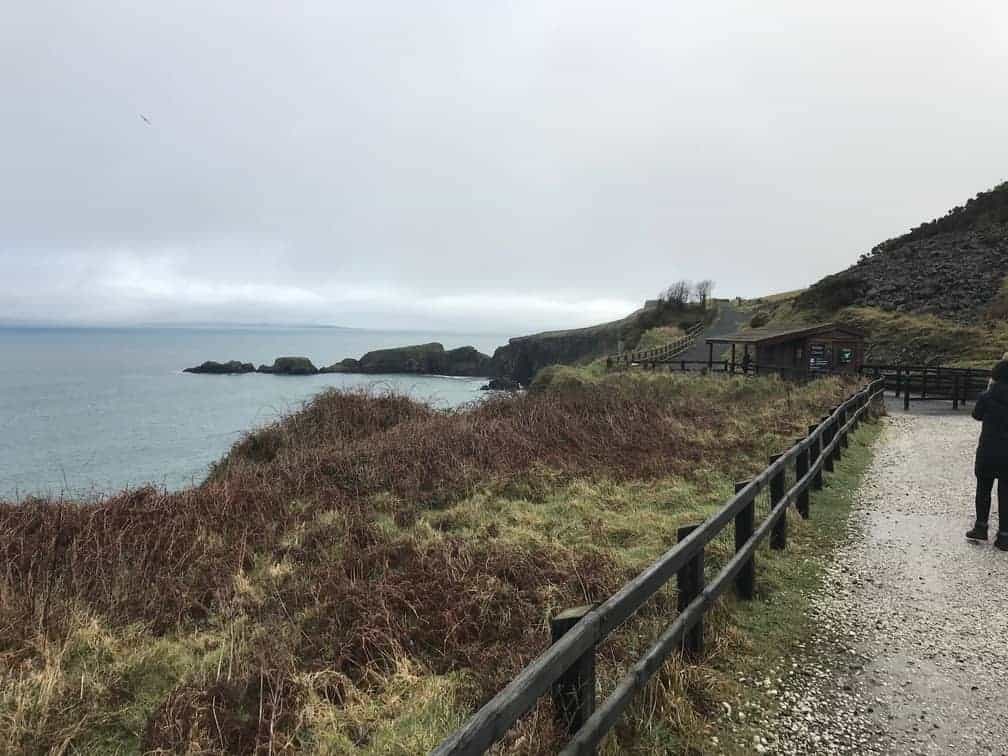
By car: from Belfast, either the Causeway Coastal Route or via the Glens of Antrim - both take around an hour. Approaching Ballintoy, follow Whitepark Road to the main car park, a short walk from where you cross the Carrick-a-Rede Rope Bridge itself. The Glens route is the more scenic of the two, through forest, waterfalls, and coastal scenery.
By public transport: train or bus from Belfast to Coleraine, then a connecting bus toward Ballycastle and the Carrick-a-Rede Rope Bridge - allow for roughly a 20-minute walk from the nearest bus stop to the site itself.