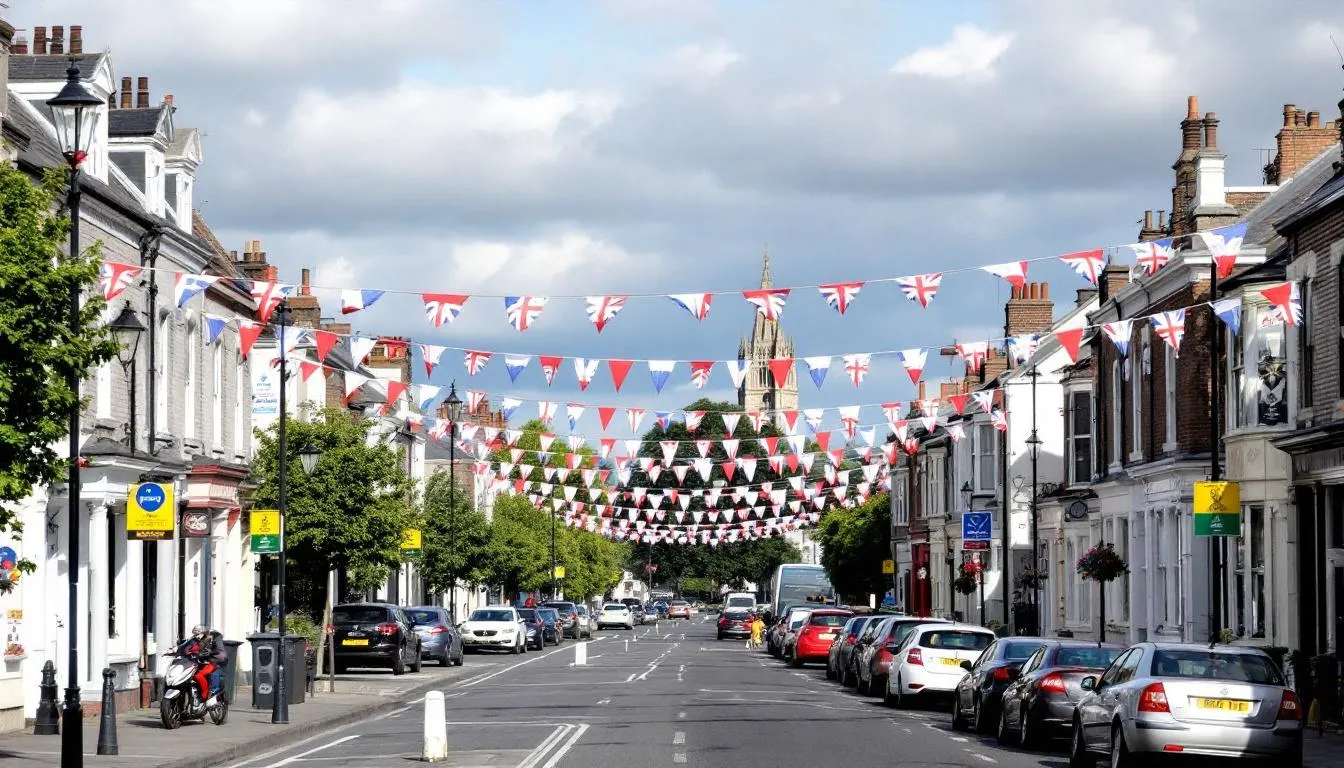
Shankill Road, running roughly 1.5 miles west from Belfast city centre, is one of the city’s most historically significant streets - a predominantly Protestant, working-class area whose modern identity was profoundly shaped by the Troubles.
Origins
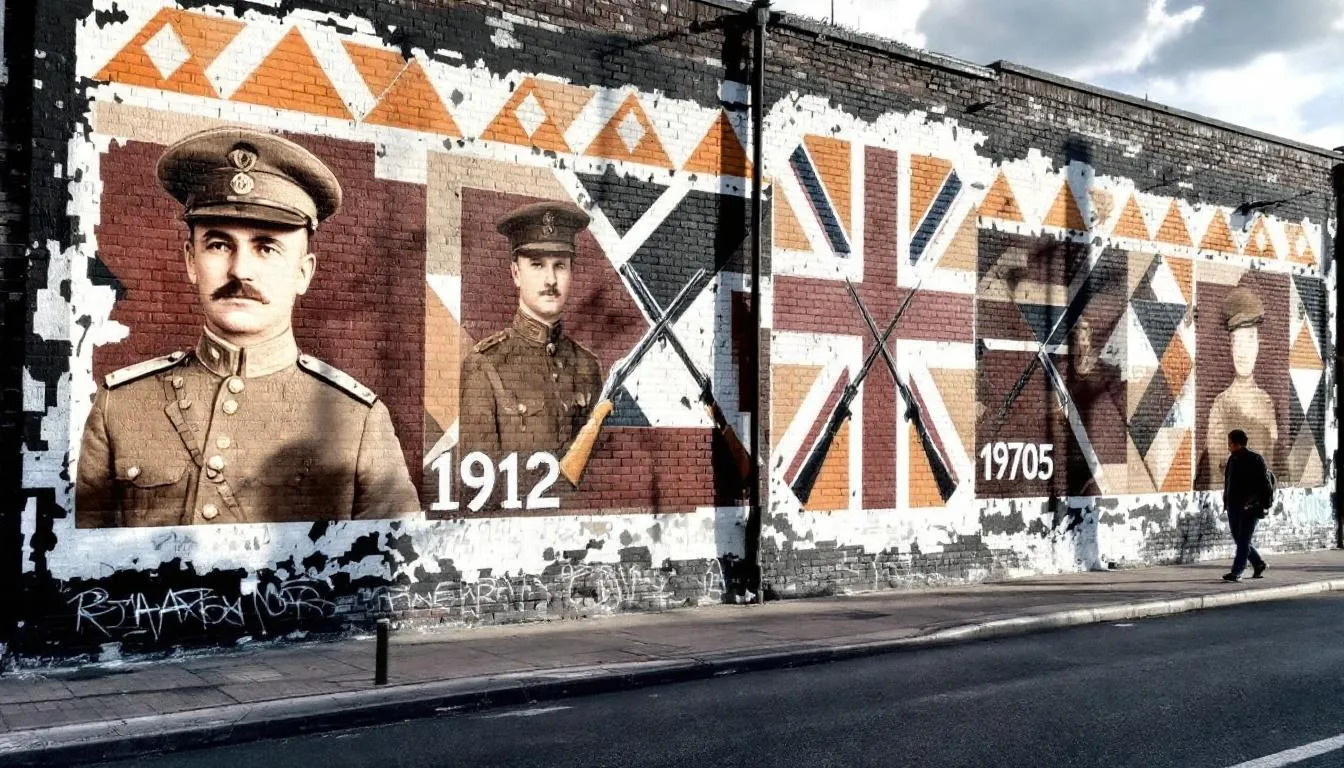
The name derives from the Irish Seanchill, “old church,” referencing an early Christian site traditionally dated to around 455 AD. The area transformed from rural route to urban thoroughfare during Belfast’s 19th-century linen boom, with Harland & Wolff shipyard later providing major employment and reinforcing the community’s strong ties to Britain, including service in the 36th (Ulster) Division during the First World War.
The Troubles
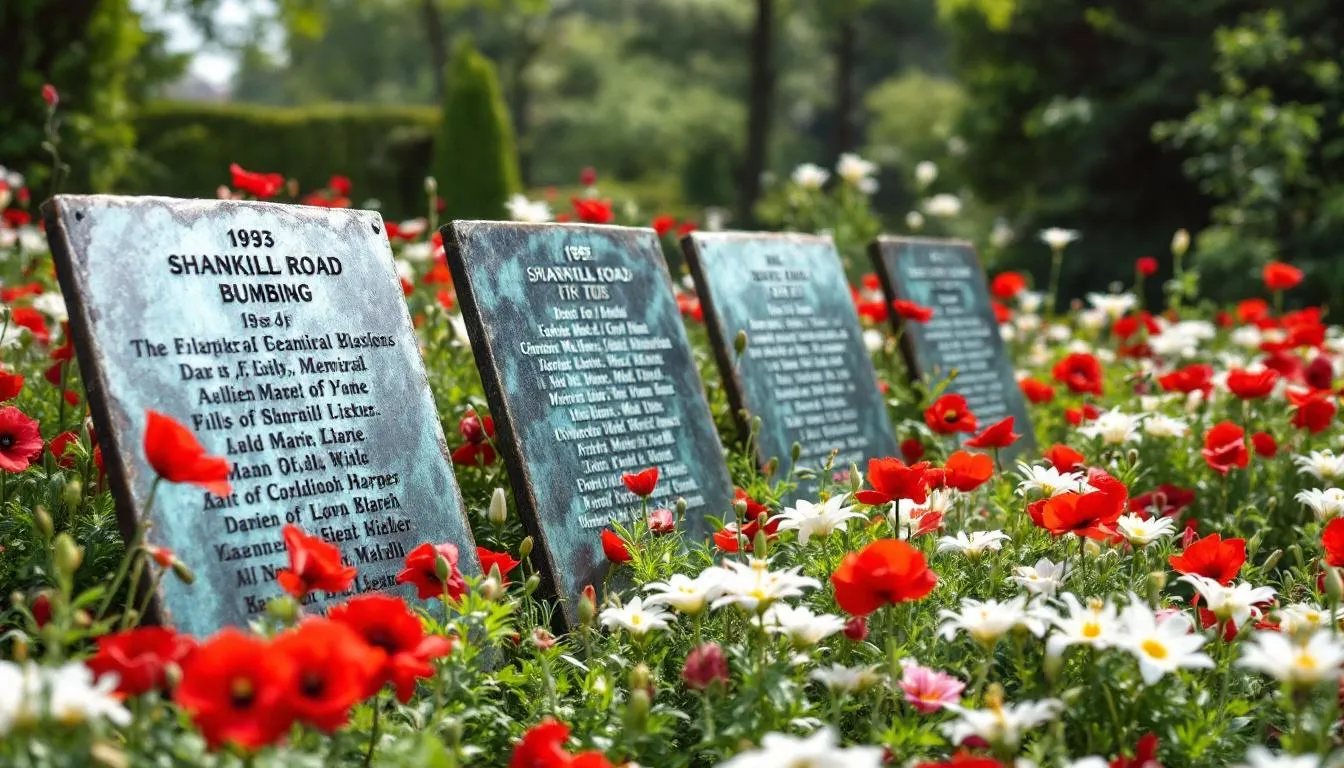
The modern Ulster Volunteer Force reformed on the Shankill in 1966, beginning decades of paramilitary activity; the Ulster Defence Association established its headquarters here in 1971. The area saw some of the Troubles’ most notorious violence, including the Shankill Butchers’ campaign (1975-82, at least 23 killed) and the devastating 1993 Shankill Road bombing, in which an IRA bomb intended for a UDA meeting above Frizzell’s fish shop exploded prematurely, killing nine Protestant civilians - eight adults and a nine-year-old child - along with the bomber himself. The 1975 Bayardo Bar bombing, which killed five Protestant civilians, is also commemorated locally.
Geography and Community
The Lower Shankill (locally “The Hammer”) sits closest to the city centre; the wider Greater Shankill area, including Woodvale, Glencairn, and Highfield, is home to around 22,000 people. A peace wall, first built by the British Army in 1969 along Cupar Way, separates the Shankill from the nationalist Falls Road, with controlled gates that still close at night in places.
Murals and Memorials
The Shankill’s murals document loyalist history and community memory - from paramilitary commemorations to war memorials and, increasingly, murals emphasising community pride rather than militant imagery. These sites are genuinely significant to local identity and remain a point of controversy for some visitors; approaching them with respect for a living community, not just a tourist attraction, matters.
Visiting
Guided political walking tours (commonly covering both the Shankill and the Falls Road for a more balanced perspective) and Black Taxi Tours are the most informative ways to visit, typically costing £15-£25 and £20+ respectively - verify current pricing before booking. Independent daytime exploration is possible with basic awareness and respect for the community; evening visits are best avoided.