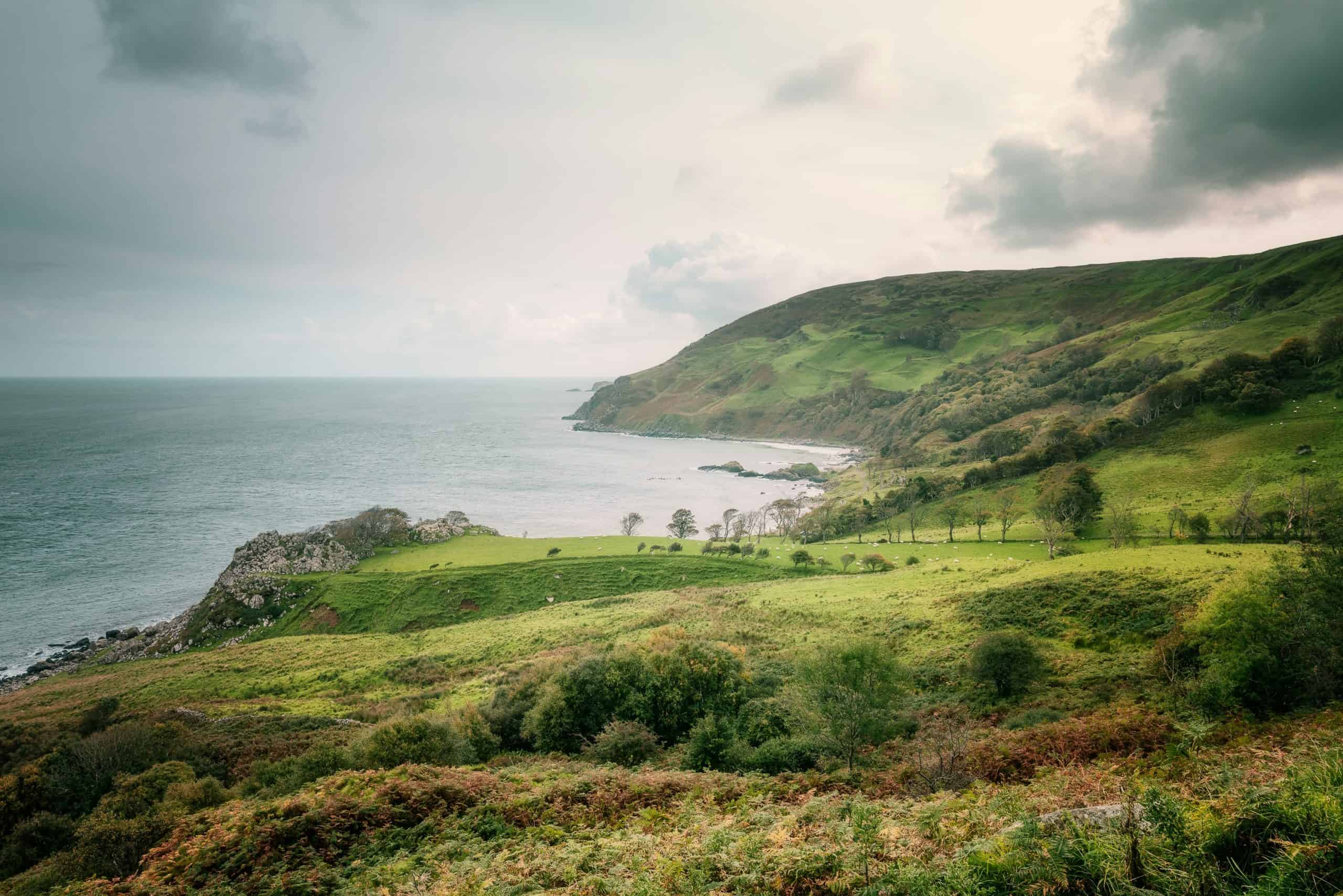
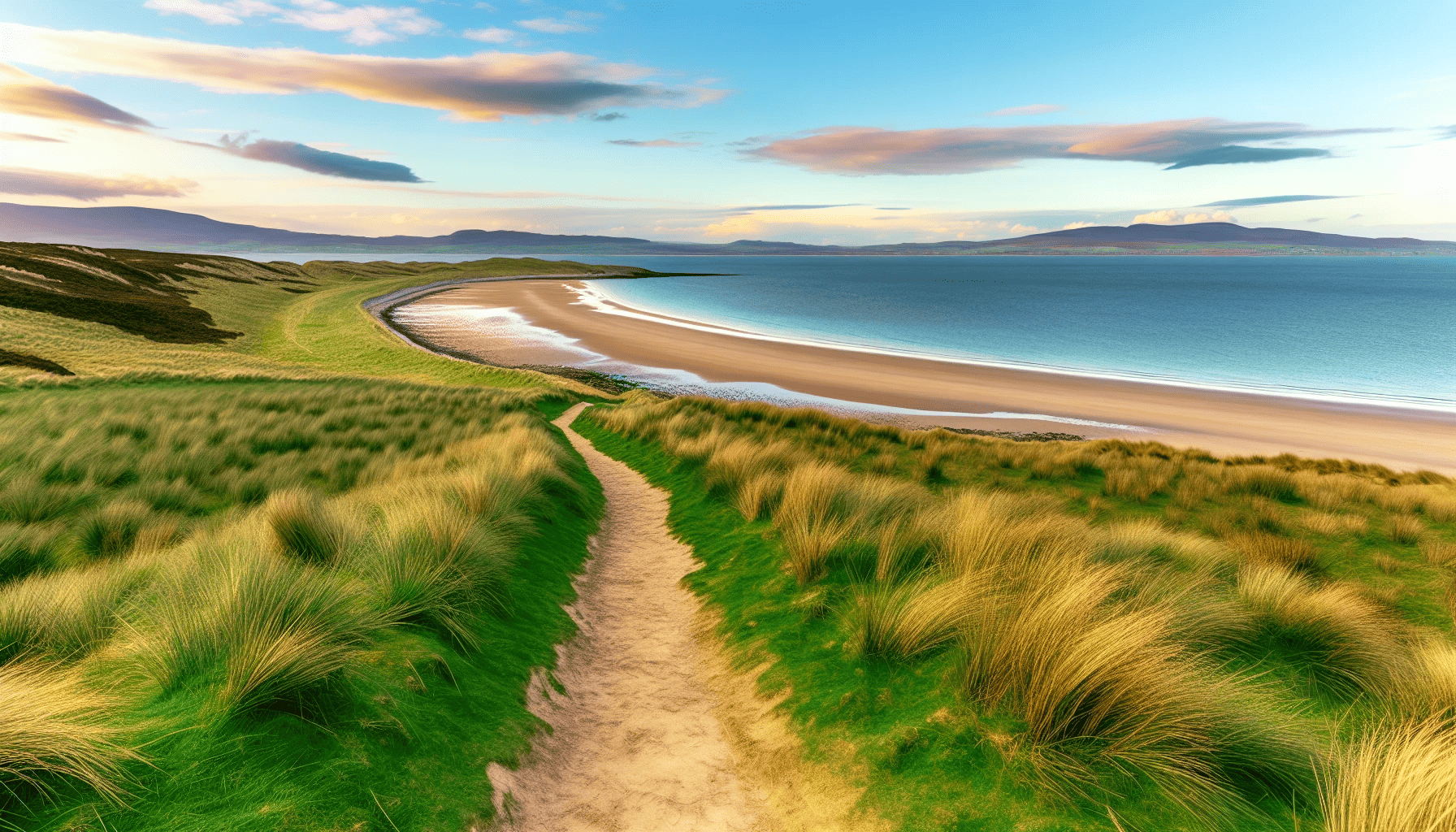
Murlough Bay, between Ballycastle and Torr Head on the north Antrim coast, combines dramatic cliff scenery with a real, if partly contested, historical legacy.
The Landscape
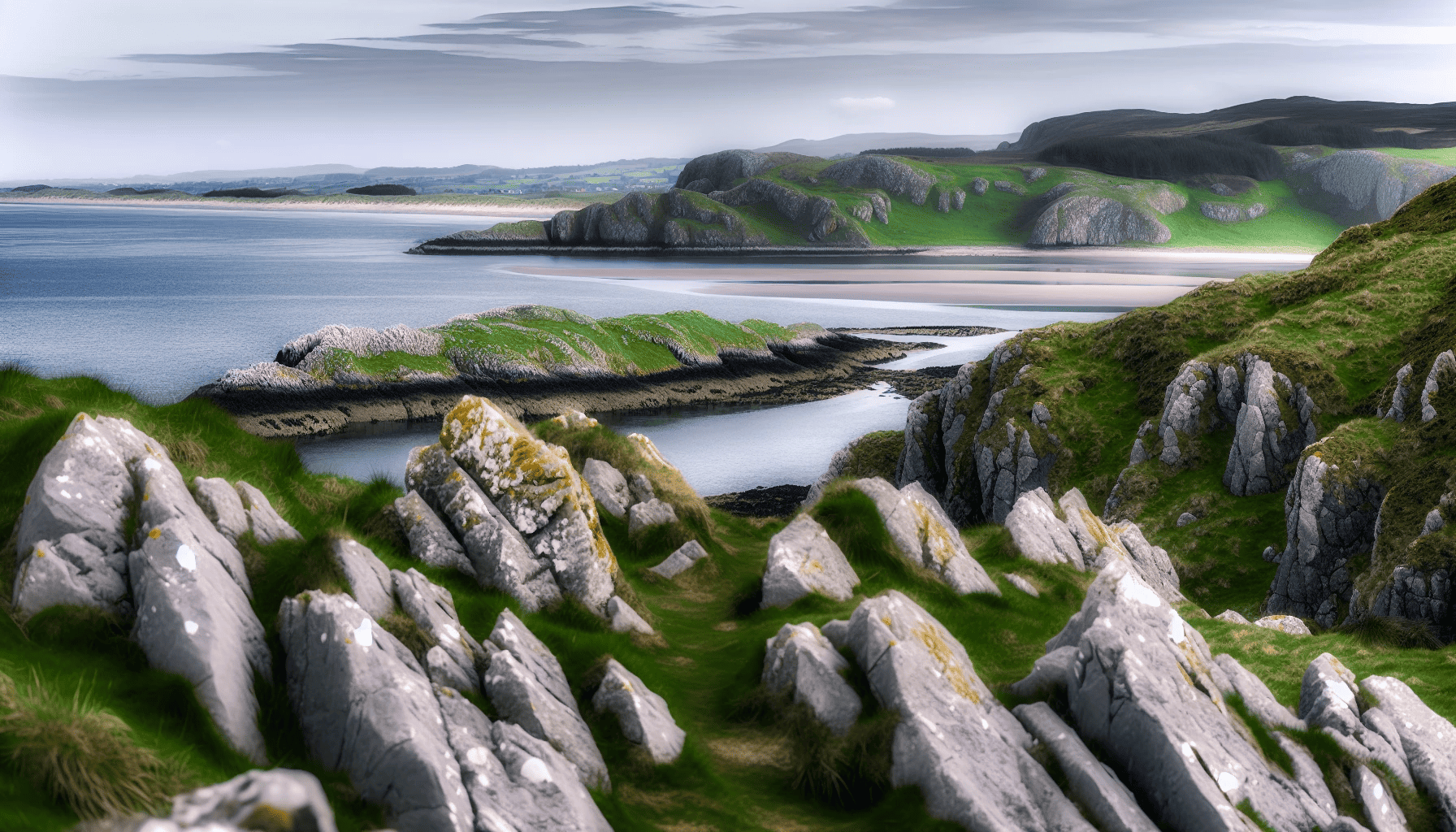
Sitting on a geological boundary, the bay shows basalt overlaying sandstone and limestone, with Fair Head’s cliffs - around 600 feet (196m) - forming a dramatic backdrop and a popular rock climbing location. On clear days, views extend to Rathlin Island, the Mull of Kintyre, and the Scottish islands.
History
Local tradition connects Murlough Bay to St Columba, said to have founded a monastery here around 595 AD - a specific claim not independently re-confirmed this pass, presented as tradition rather than settled fact.
Roger Casement’s connection to Murlough Bay is real, but not a burial site. The Irish patriot, executed in 1916 for his role in the Easter Rising, is known to have loved this stretch of coast and requested in writing to be buried here. The British government refused at the time; when his remains were eventually repatriated to Ireland in 1965, the government of the day again refused burial at Murlough Bay specifically (citing concerns about setting a precedent), and Casement was instead buried at Glasnevin Cemetery, Dublin, with a full state funeral. A memorial near the Old Church of Drumnakill marks his connection to the site - a real, meaningful memorial, but not his actual grave.
Walking
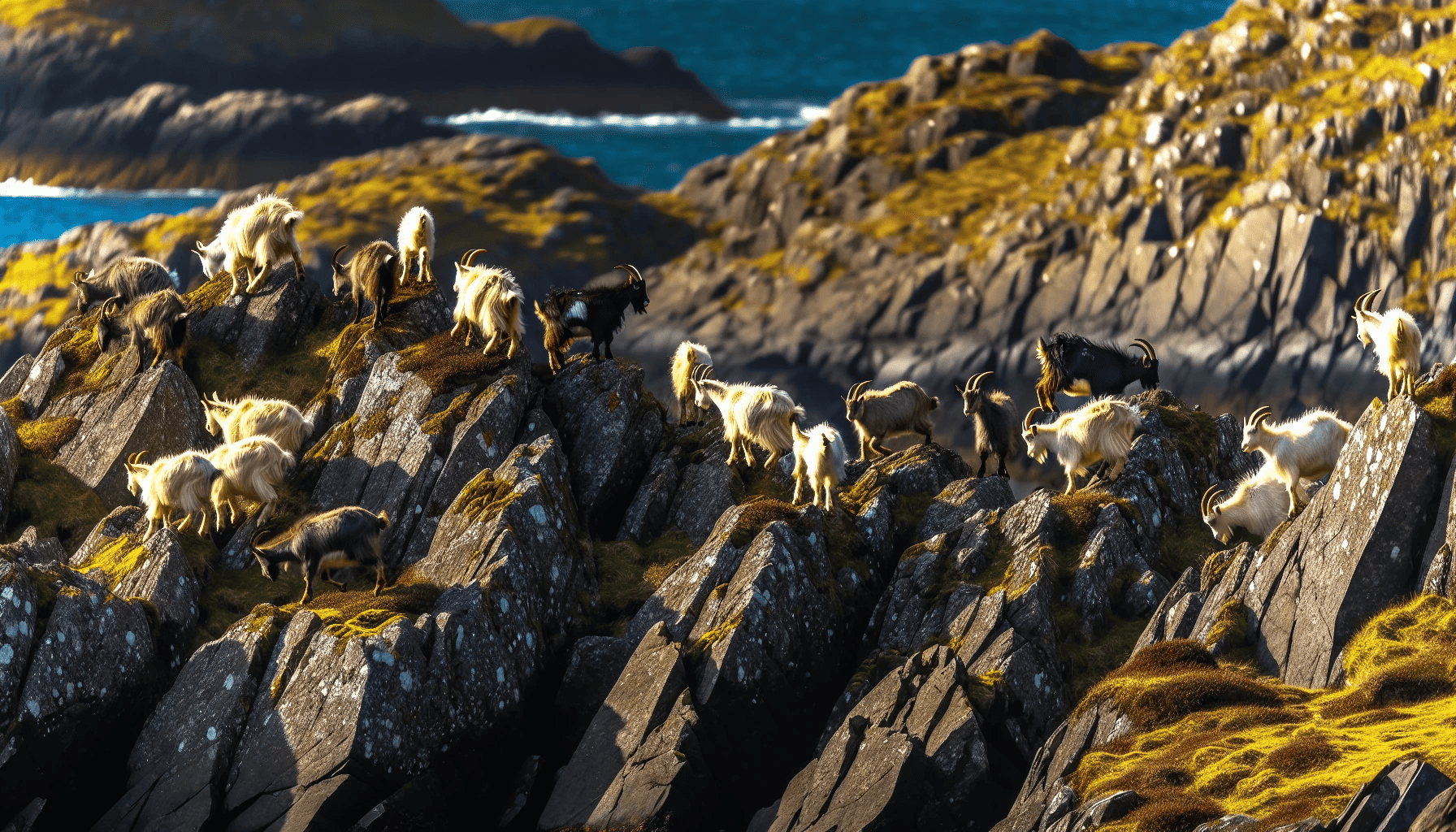
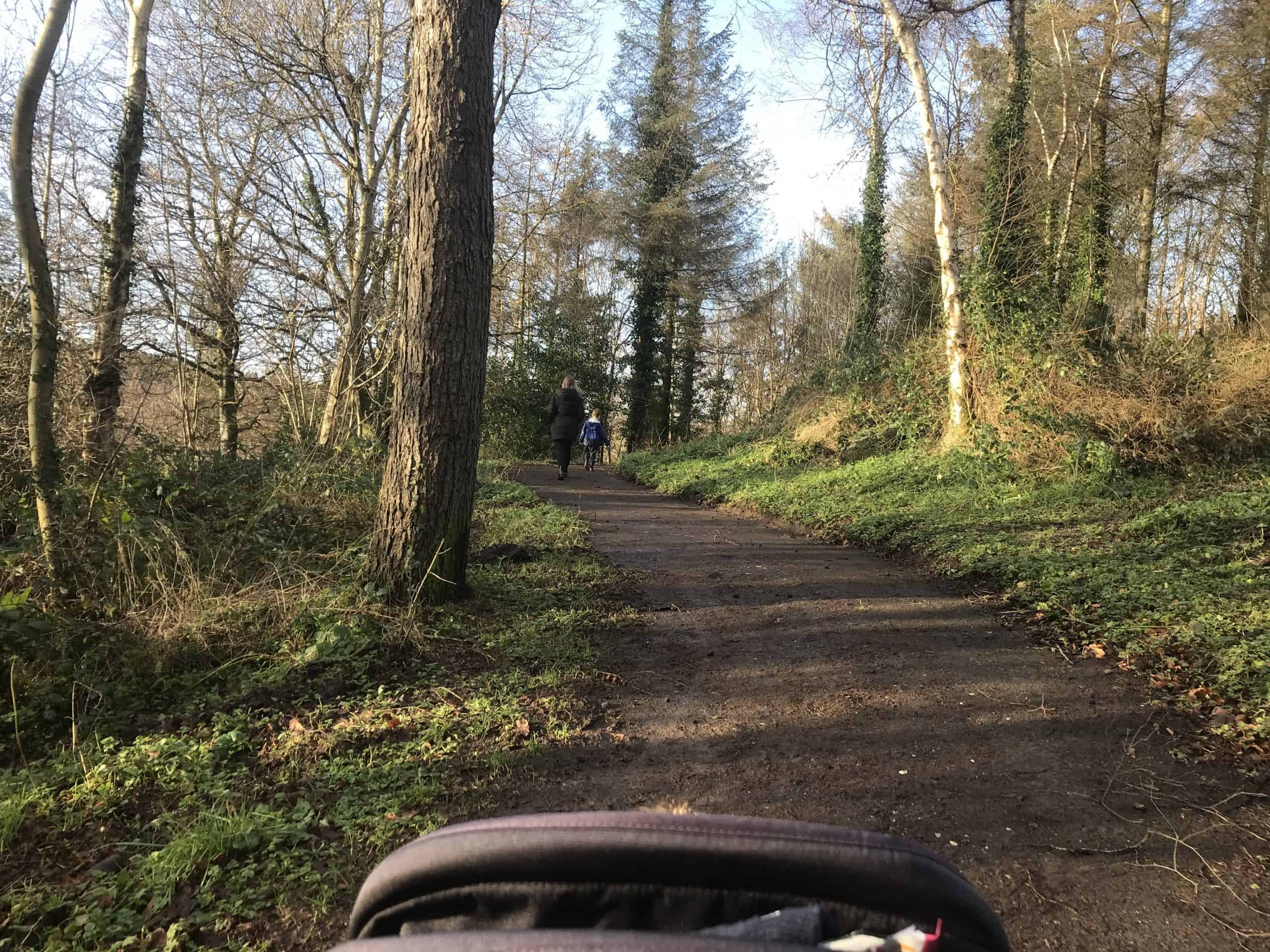
A waymarked trail (routes and exact distances vary by source - commonly cited around 2.5-4.4km) starts from the National Trust car park, taking in the Slidderyford Path and Central Reserve, with wildlife including peregrine falcons, buzzards, and choughs, and (per National Trust visitor information) wild goats on the cliffs and woodland.
Game of Thrones
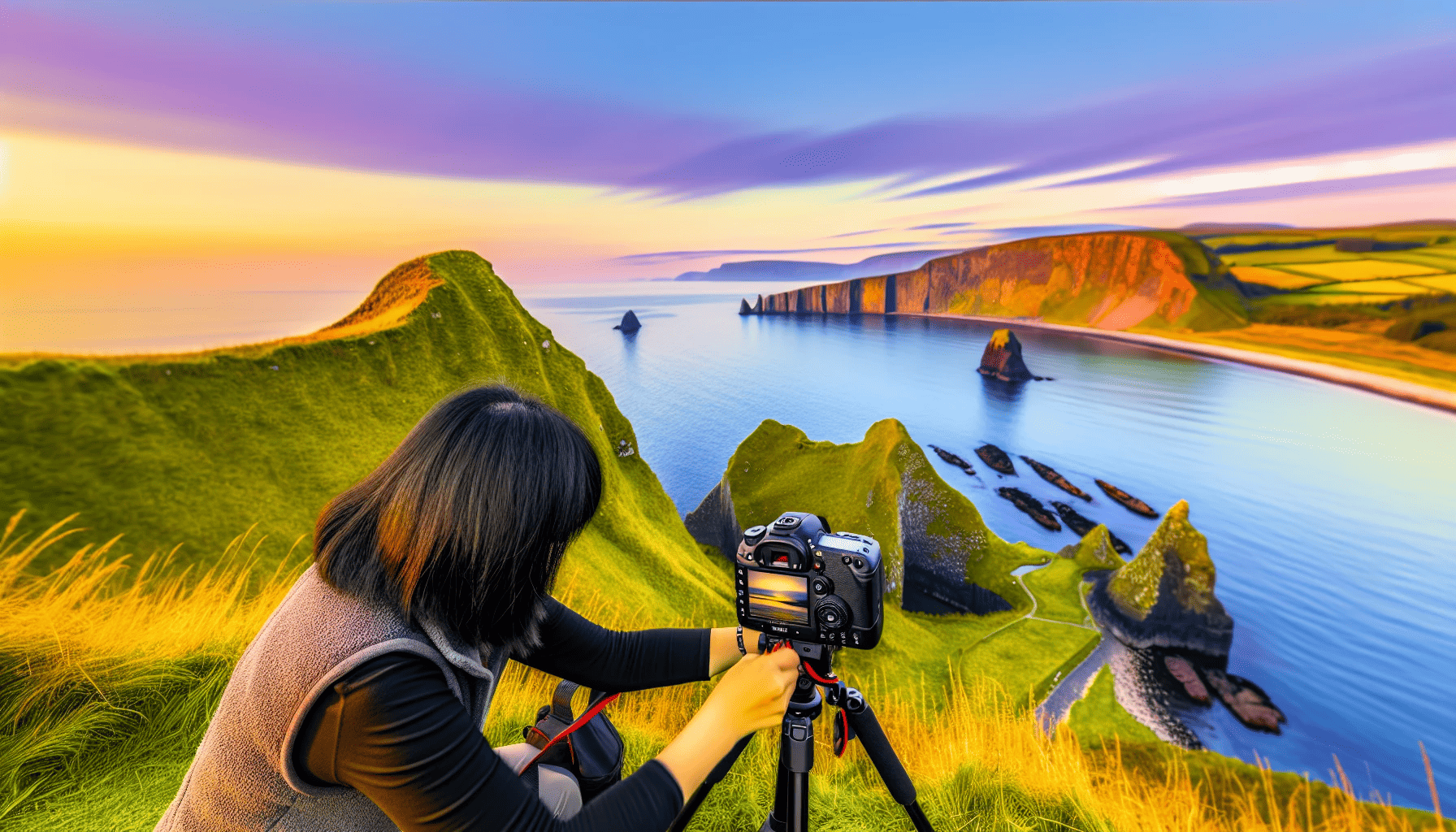
Murlough Bay was used as a real filming location, including scenes set around Slaver’s Bay and the parley between Renly and Stannis Baratheon.
Visiting
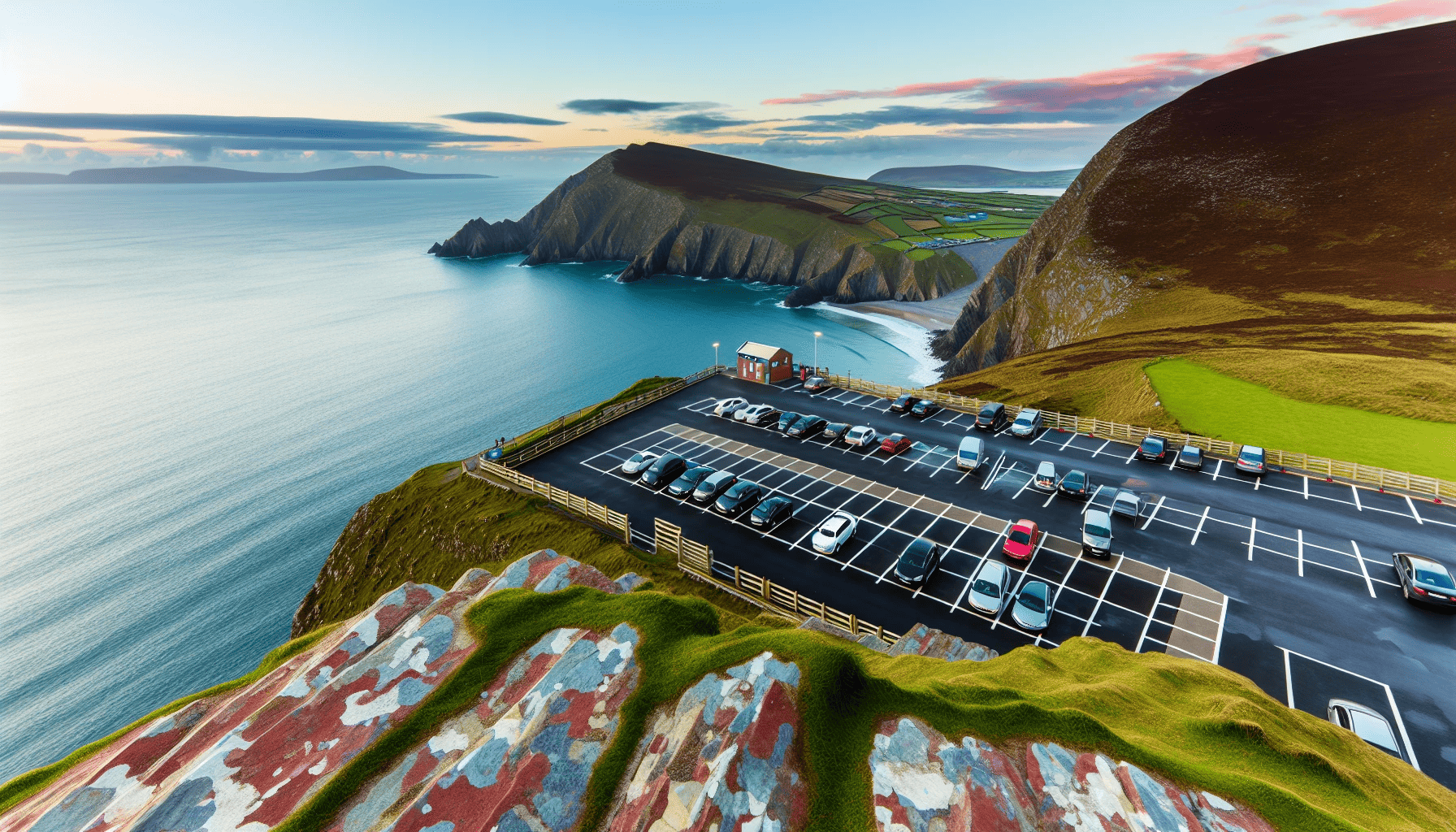
A small car park sits beside the road, reached via a narrow, winding descent - drive with care. Phone signal is limited in the area. Swimming isn’t advised (check for warning flags). As with other sites on this coast, WWII-era ordnance is occasionally found - if you encounter anything like this, don’t touch it; report it to staff or the police and wait for it to be dealt with safely.
Frequently Asked Questions
Who is buried at Murlough Bay? No one of particular historical note - the site is a real memorial location connected to Roger Casement’s wishes, but Casement himself is buried at Glasnevin Cemetery, Dublin.
Can you swim in Murlough Bay? Not generally advised - check for safety flags before entering the water.