Mount Sandel, on the eastern bank of the River Bann near Coleraine, is widely regarded as Ireland’s earliest known settlement site - dating from the Mesolithic (Middle Stone Age), with evidence of habitation from roughly 7900-7600 BC.
The Archaeology
Excavations begun by archaeologist Peter Woodman in the late 20th century uncovered flint tools, burnt bone fragments, and evidence of hazelnut processing, alongside the remains of a hut structure and hearths. A natural weir used for catching eels and salmon points to the River Bann’s rich resources as a key reason the site was settled. Findings suggest a hunter-gatherer community relying on fishing, foraging, and wild boar.
The Fort Itself Is Younger Than You’d Think
Worth clearing up plainly: the earthwork mound visitors actually walk around today, the “fort” the site is named for, is not the Mesolithic settlement itself. It’s a later Anglo-Norman motte, likely built in the late 12th century, and the reason for the site’s real archaeological fame - the Mesolithic huts, hearths, and flint tools - was excavated on ground nearby, not inside the visible mound. Locally, the earthwork was traditionally known as Dun-da-bheann. Some accounts link it to the legendary High King Niall of the Nine Hostages, though that association is disputed - other sources place Niall’s actual stronghold at a different site, the Giant’s Sconce, several miles to the west - so it’s fair to mention the legend without treating it as settled fact.
The Site Today
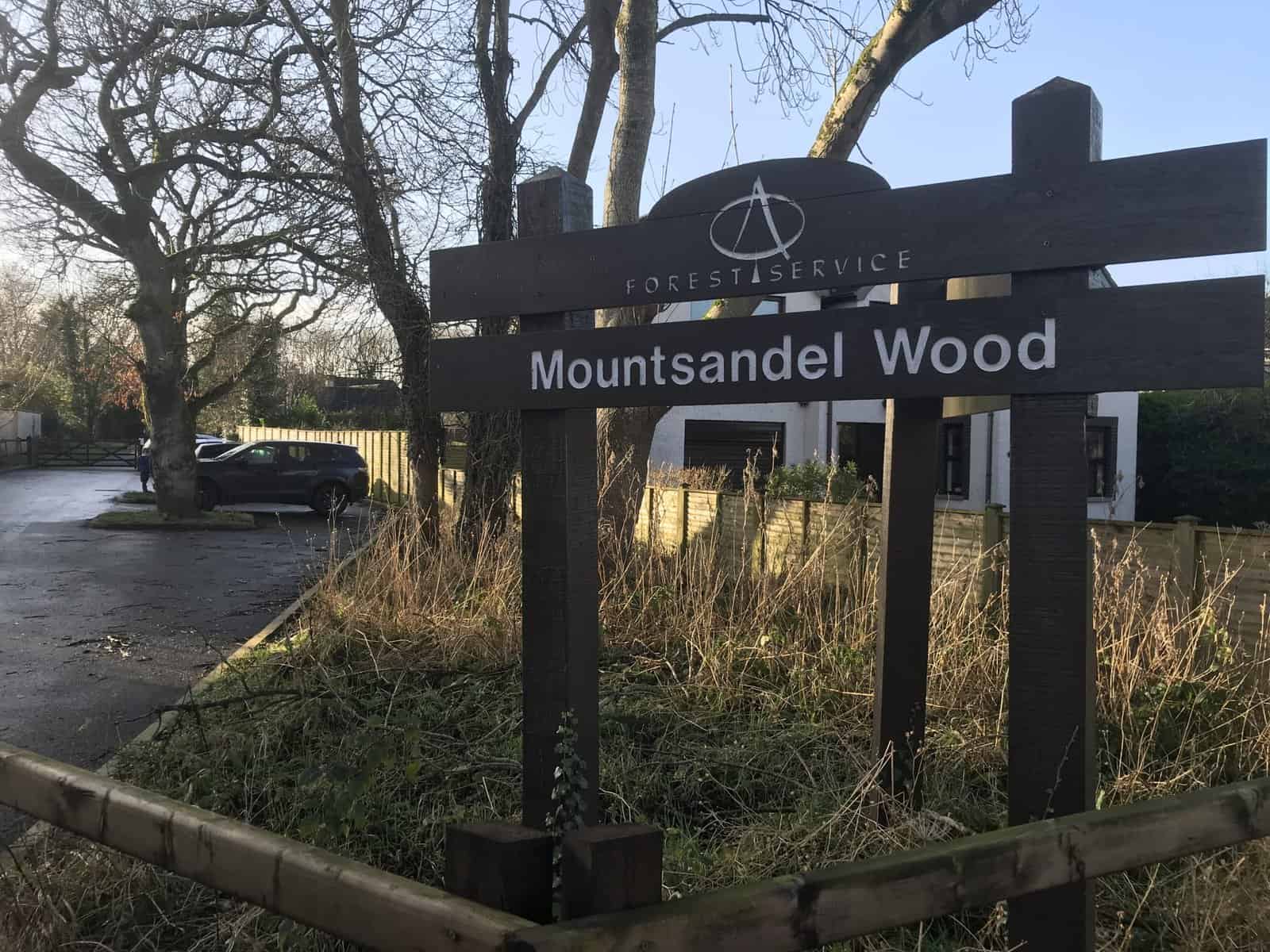
Mount Sandel is both a scheduled historical monument and an Area of Special Scientific Interest, reflecting its combined archaeological and ecological value. The surrounding Mountsandel Wood supports oak, ash, and beech woodland alongside wildlife including squirrels, kingfishers, and buzzards.
Visiting
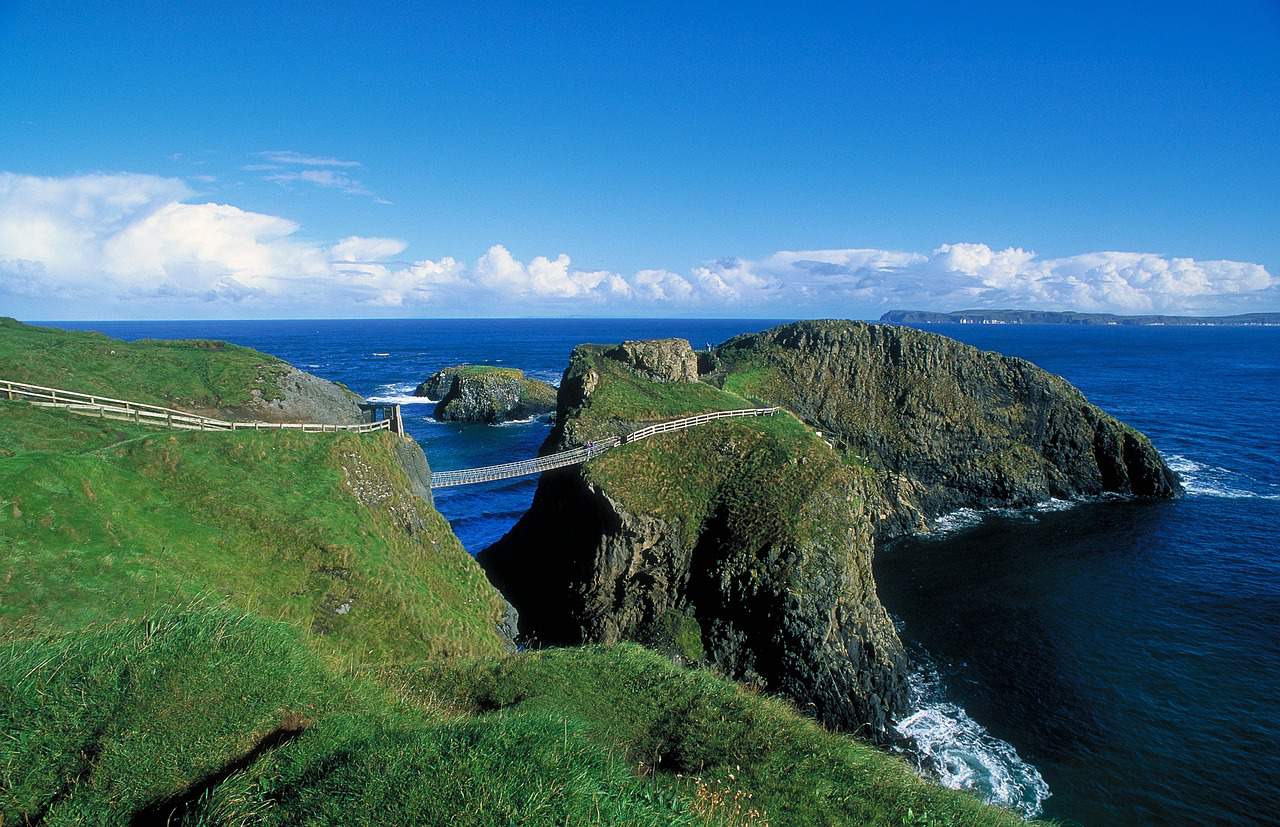
The site is accessible via Mountsandel Road in Coleraine, with public paths and interpretive signage. It sits within easy reach of other Causeway Coast attractions, including the Giant’s Causeway, Carrick-a-Rede, and the towns of Portrush and Portstewart.