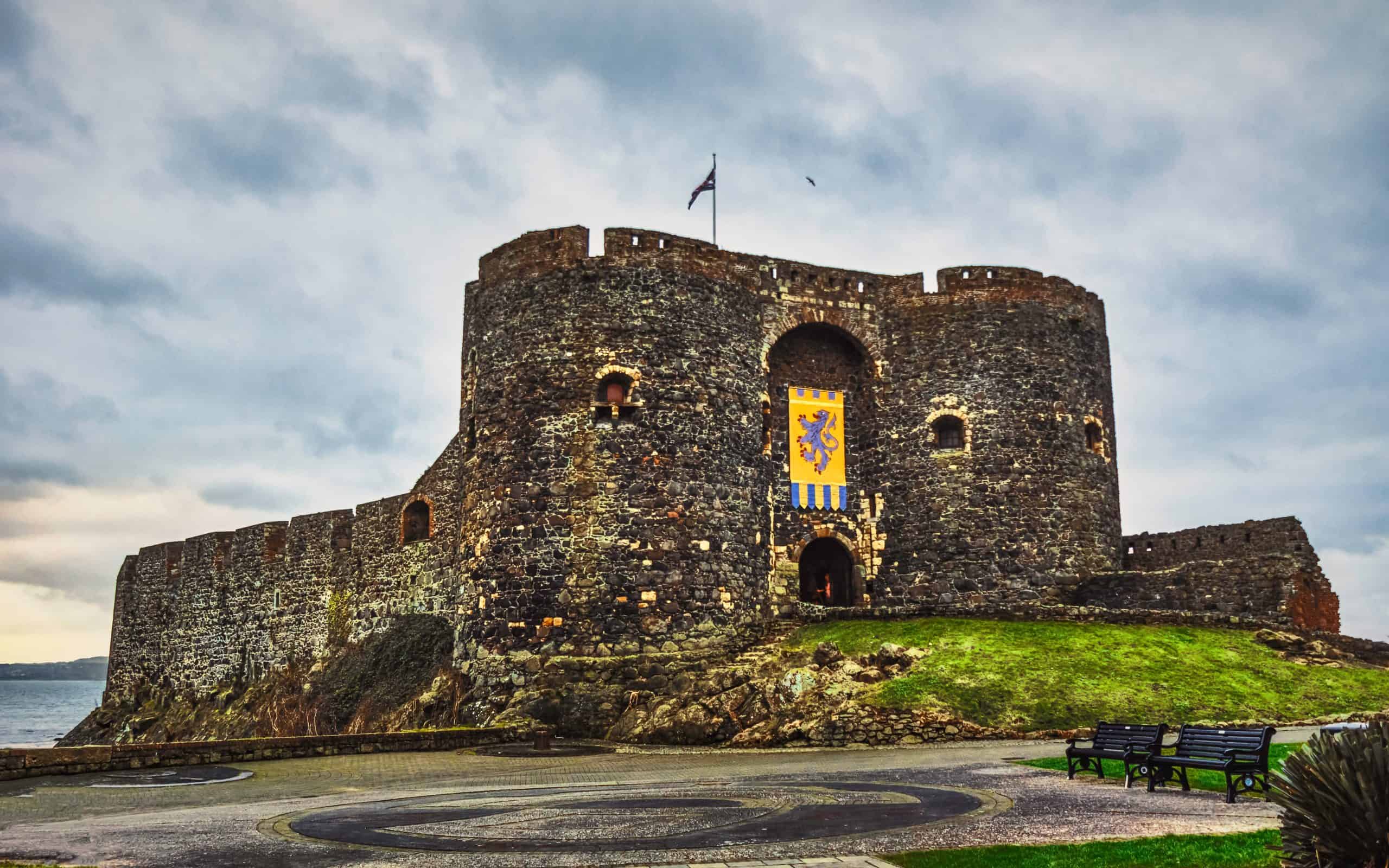
Carrickfergus Castle, on the shore of Belfast Lough, is one of the best-preserved Norman castles in Ireland - and its real history is more interesting than the version sometimes told.
History
The Anglo-Norman nobleman John de Courcy began building Carrickfergus Castle soon after his 1177 invasion of Ulster - stone construction was underway by the start of 1178, using stone ferried across Carrickfergus Bay from Cultra. De Courcy’s original castle was a three-storey square keep within a small enclosure at the end of a rocky outcrop guarding the entrance to Belfast Lough. He ruled the region from here as its lord for over 25 years.
In 1204, another Norman adventurer, Hugh de Lacy, ousted de Courcy and took control of the castle - he wasn’t its builder, but its conqueror, decades into its history. King John besieged and took the castle in 1210, and further work under Henry III (completed around 1250) established it as the Crown’s principal residence and administrative centre in the north of Ireland.
Visiting Information
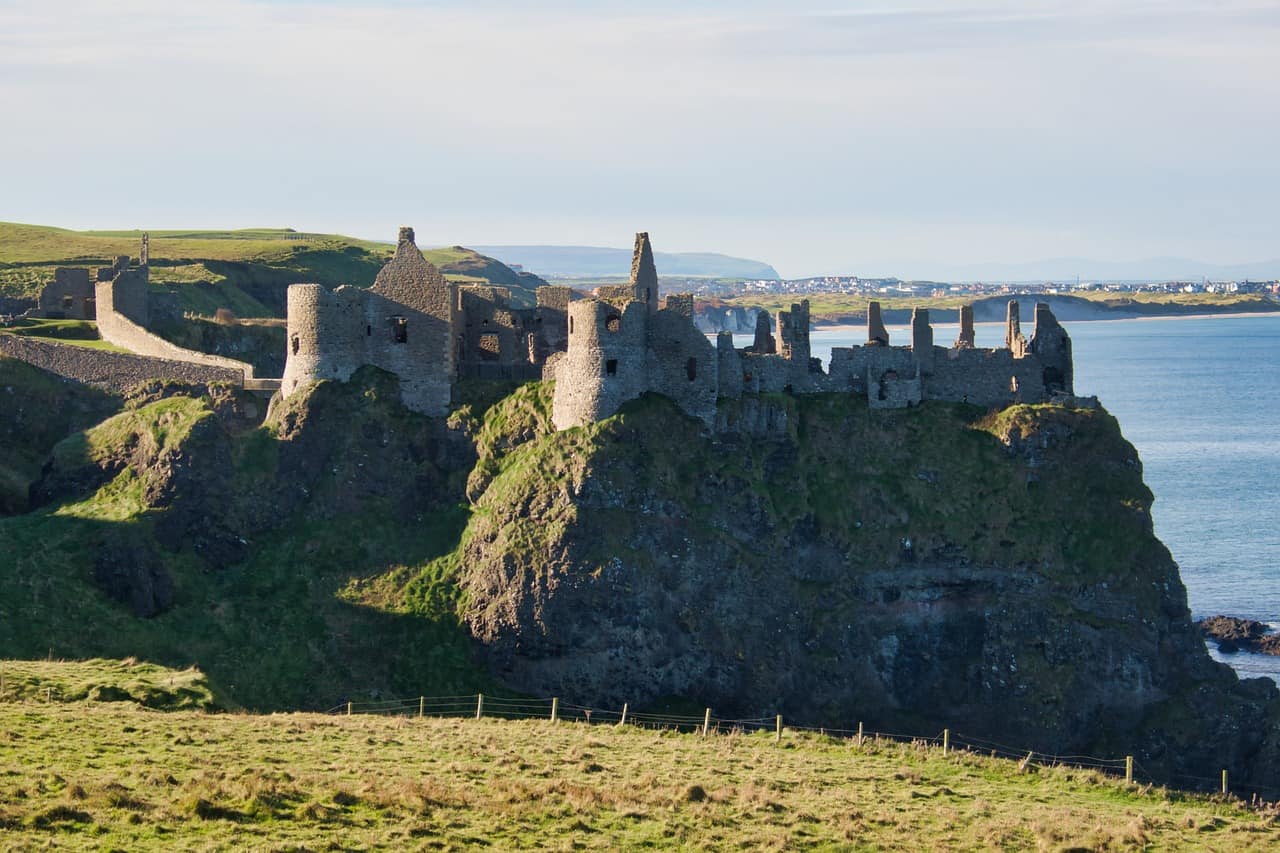
Managed by the Northern Ireland Department for Communities Historic Environment Division, like Dunluce Castle - tickets are purchased on arrival at the Visitor Information Centre inside the entrance; no pre-booking required.
Opening hours: Easter to September, 9:30am-4:30pm (last admission); October to Easter, 9am-4pm (last entry 3:30pm). Hours can vary in extreme weather - worth checking ahead in poor conditions.
Standard admission: Adult £6.00, Child £4.00 (under-4s free), Senior/Student £4.50, Family (up to 2 adults + 3 children) £18. Annual tickets: £12 adult, £8 child, £9 senior/student - unlimited visits for the year. Group rate (15+ people): £4.50 per person.
Summer saver pricing applies 25 June to 1 September 2026: Adult £5.25, Senior/Concession/ Student £3.95, Child £3.50, Family £15.75 - worth timing a visit around if you’re flexible on dates.