Ireland’s culinary heritage runs from hearty, practical dishes born of rural necessity to the sweet treats and iconic drinks now recognised the world over.
The Staples
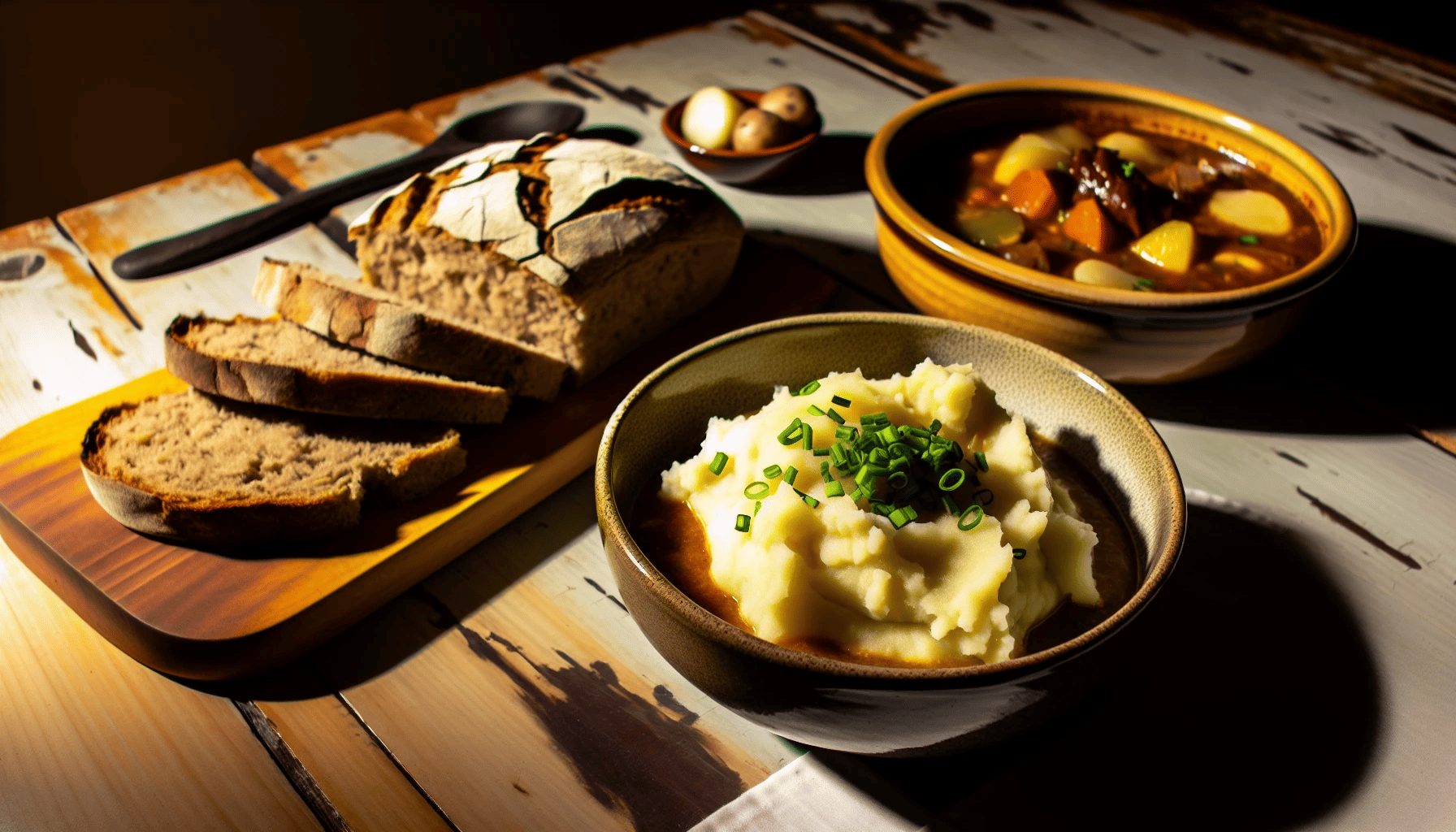
The potato has been central to Irish cooking since it reached Ireland by the end of the 16th century - historians don’t agree on the exact route (popular tradition credits Sir Walter Raleigh around 1585; other accounts point to survivors of Spanish Armada wrecks in 1588), but it took root as a dominant staple crop over the following two centuries. Today it appears in dishes from colcannon (mashed potato with kale or cabbage) to boxty, champ, and potato farls.
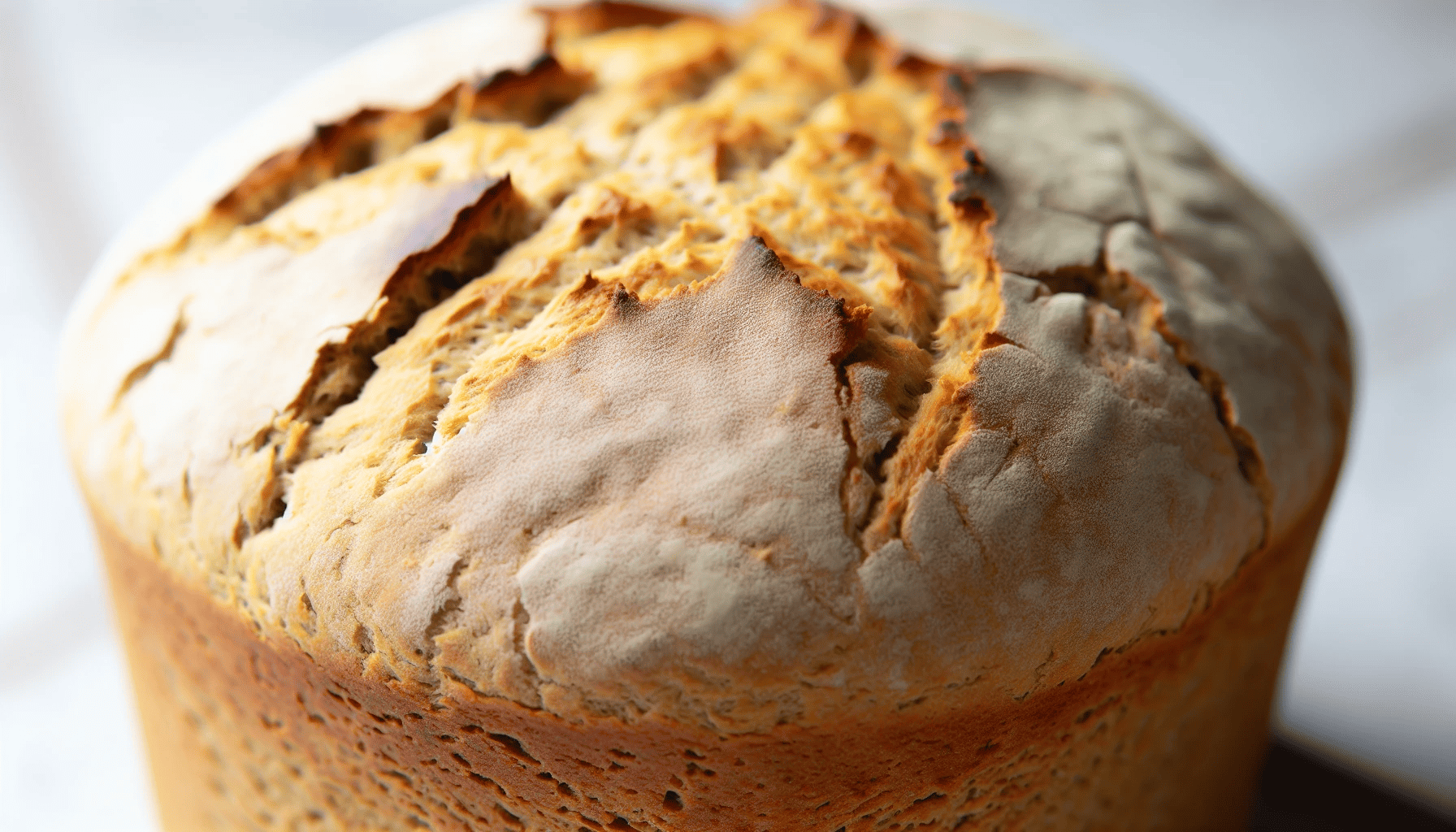
Soda bread, a yeast-free bread made with flour, buttermilk, salt, and baking soda, has been a staple for generations, prized for how quickly it can be made without yeast’s proving time.
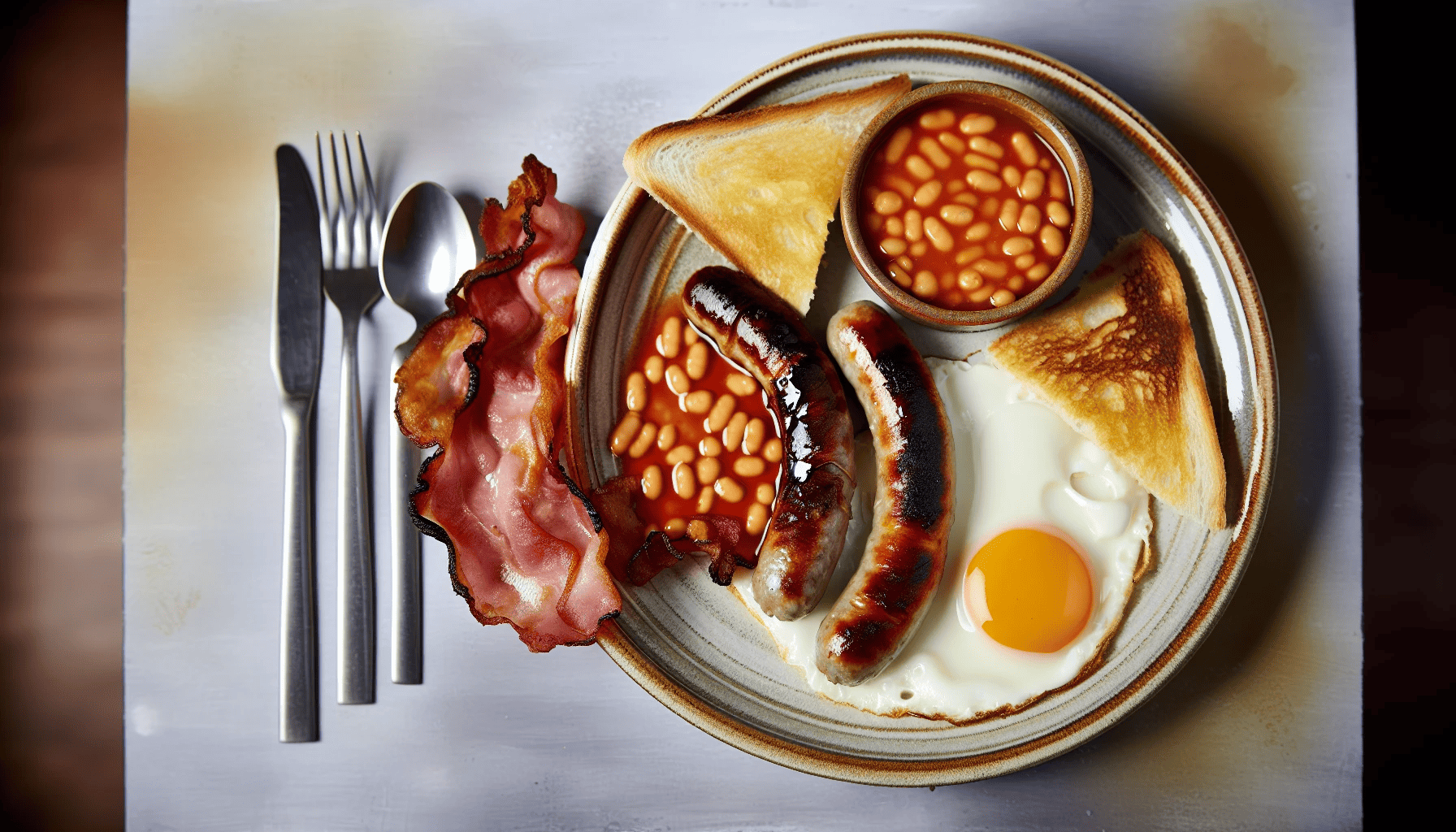
The full Irish breakfast - eggs, bacon, sausages, mushrooms, baked beans, grilled tomatoes, and bread or toast, with black and white pudding - is a weekend institution. The Ulster Fry, its Northern Irish variant, adds soda bread and potato bread to the mix.
St Patrick’s Day Fare
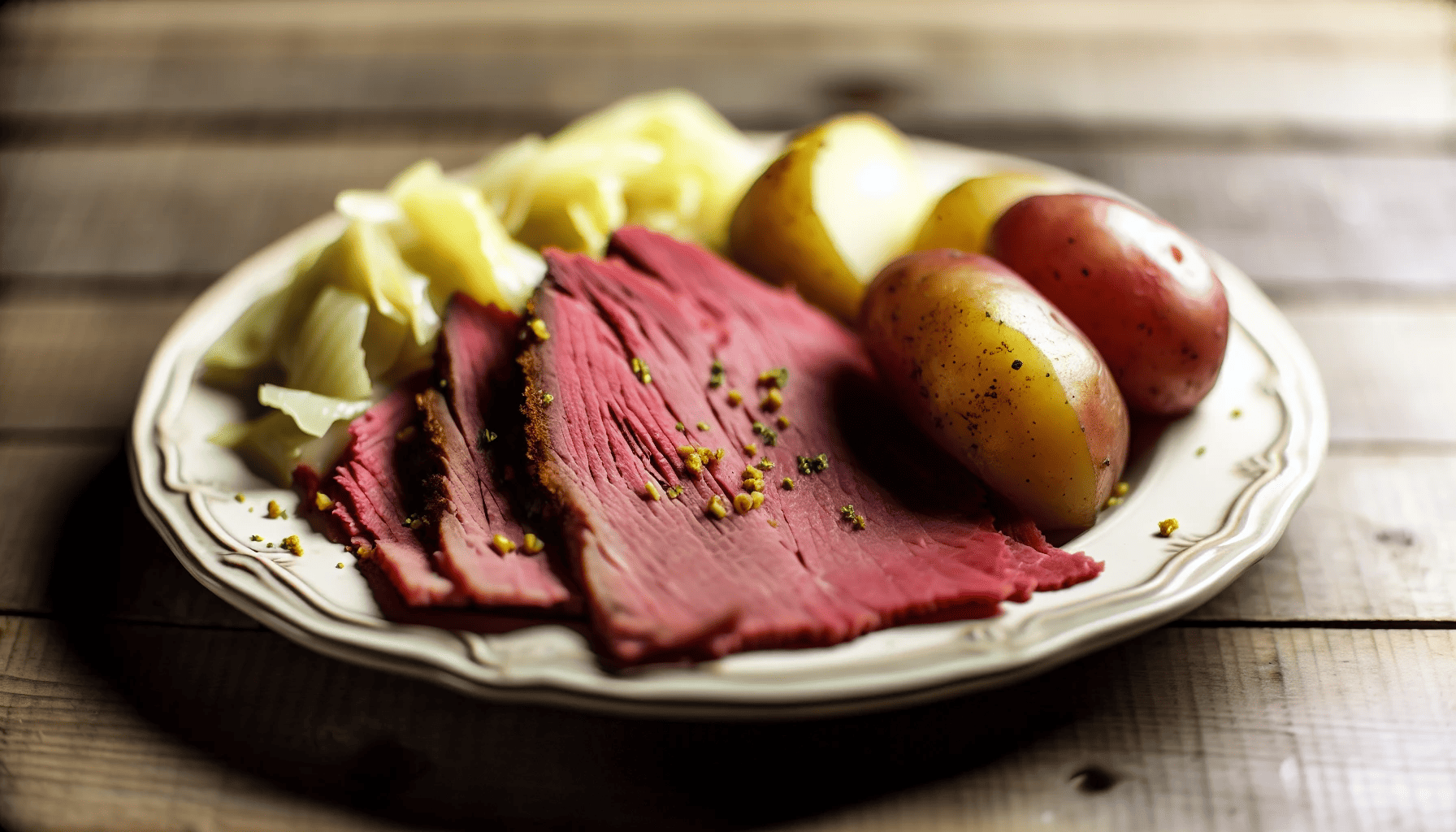
Corned beef and cabbage, closely associated with St Patrick’s Day in the United States, isn’t actually a traditional dish in Ireland itself - it emerged among Irish immigrant communities in 19th-century America, who substituted beef (cheaper and more available there) for the bacon used back home.
Shepherd’s pie - minced lamb or beef and vegetables under a mashed potato topping - remains a year-round comfort food as well as a St Patrick’s Day favourite.
Stews and Soups
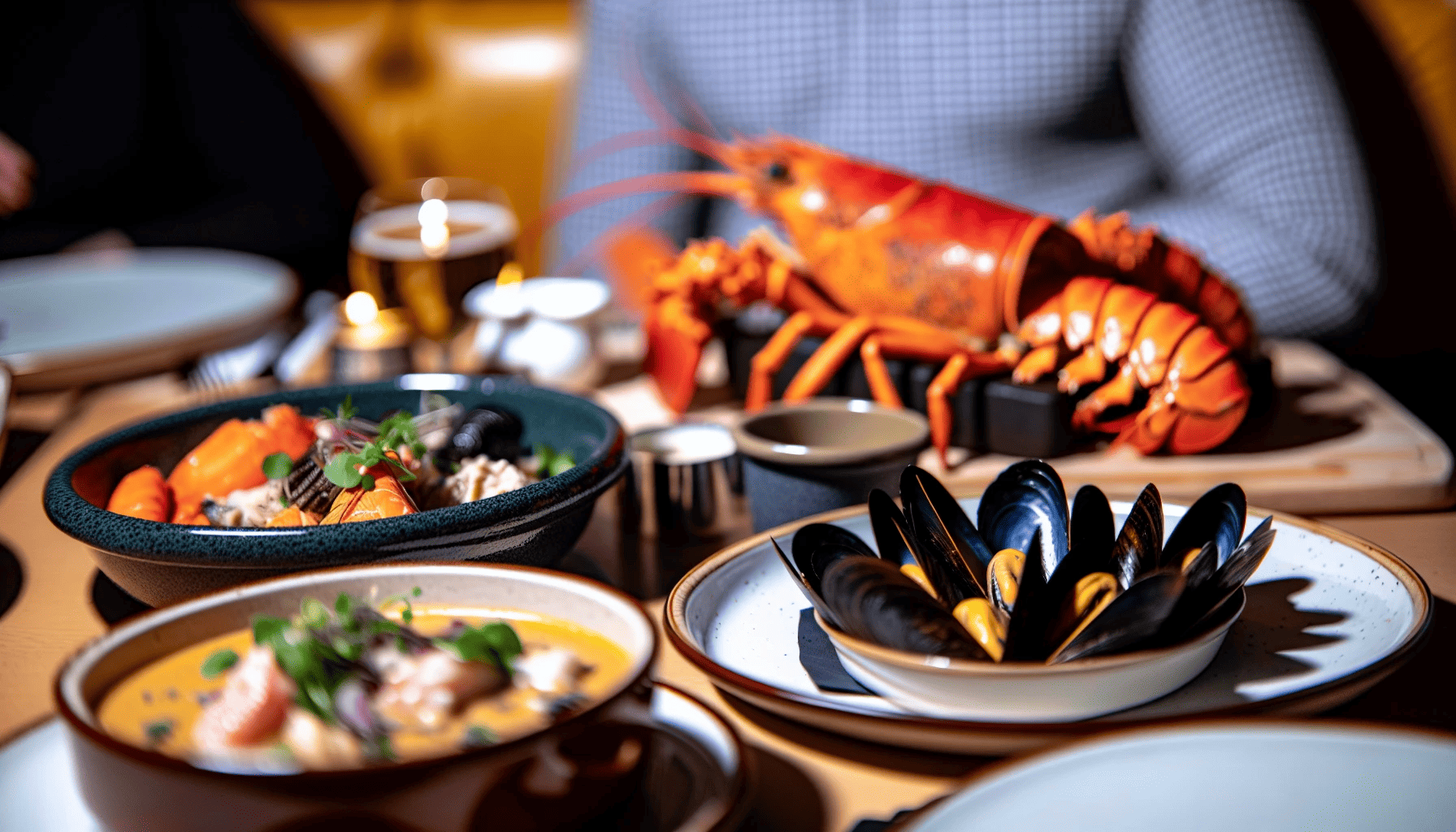
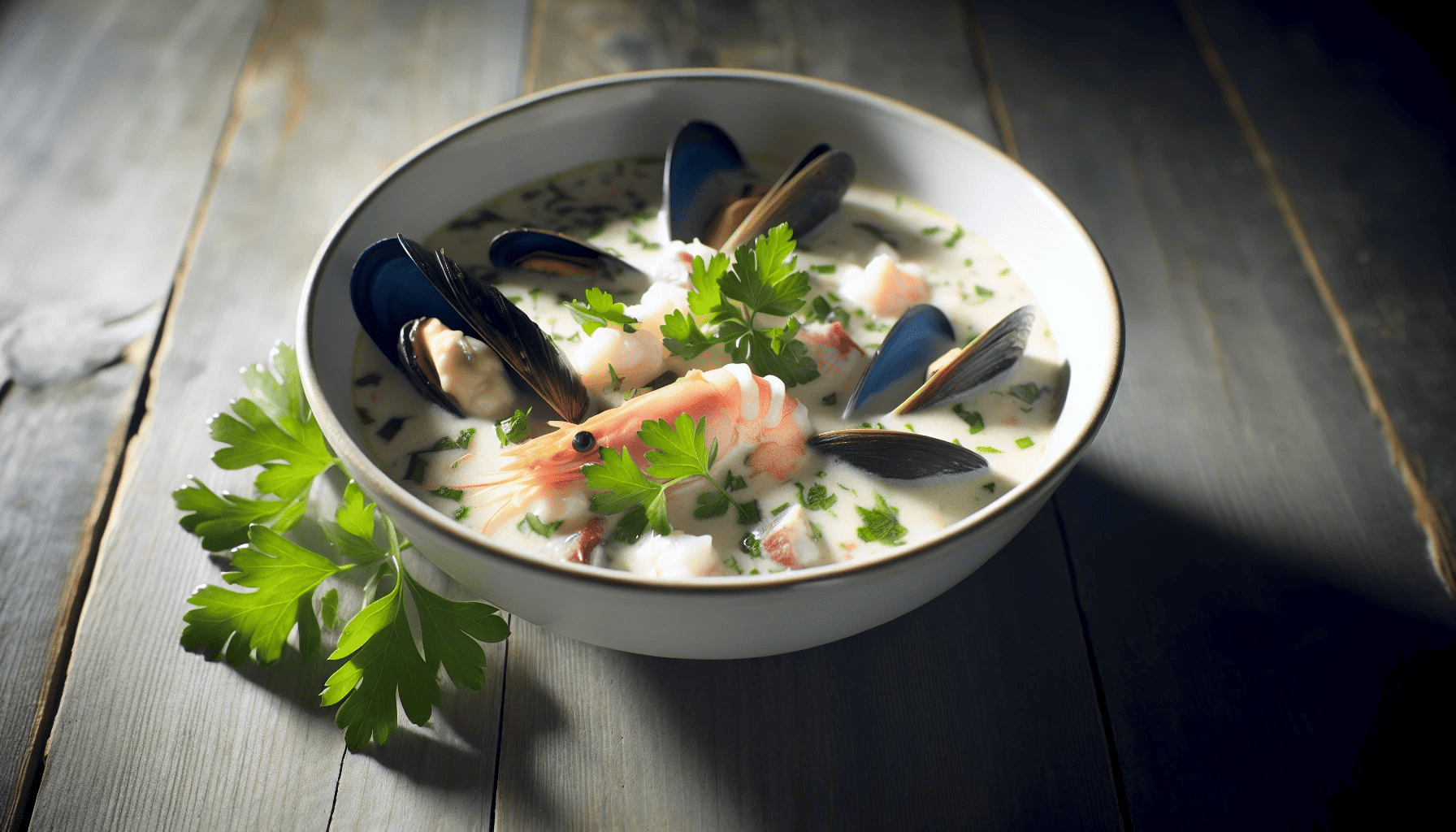
Irish stew, traditionally lamb or mutton with root vegetables, is believed to date to the 17th or 18th century as a simple, sustaining meal for rural households; beef is now a common substitute for lamb in modern versions. Seafood chowder, rich with cream, mussels, and white or smoked fish, reflects Ireland’s long relationship with the Atlantic coast.
Sweet Treats
Irish apple cake (associated with County Kerry), soda bread pudding (a way of repurposing leftover soda bread), and treats built around Guinness or Baileys are all well-established parts of Irish baking.
Savoury Snacks
Black pudding, a blood sausage made with oatmeal or barley, herbs, and spices, is a full Irish breakfast staple. Fried cabbage with smoky bacon is a simple, traditional side.
Drinks
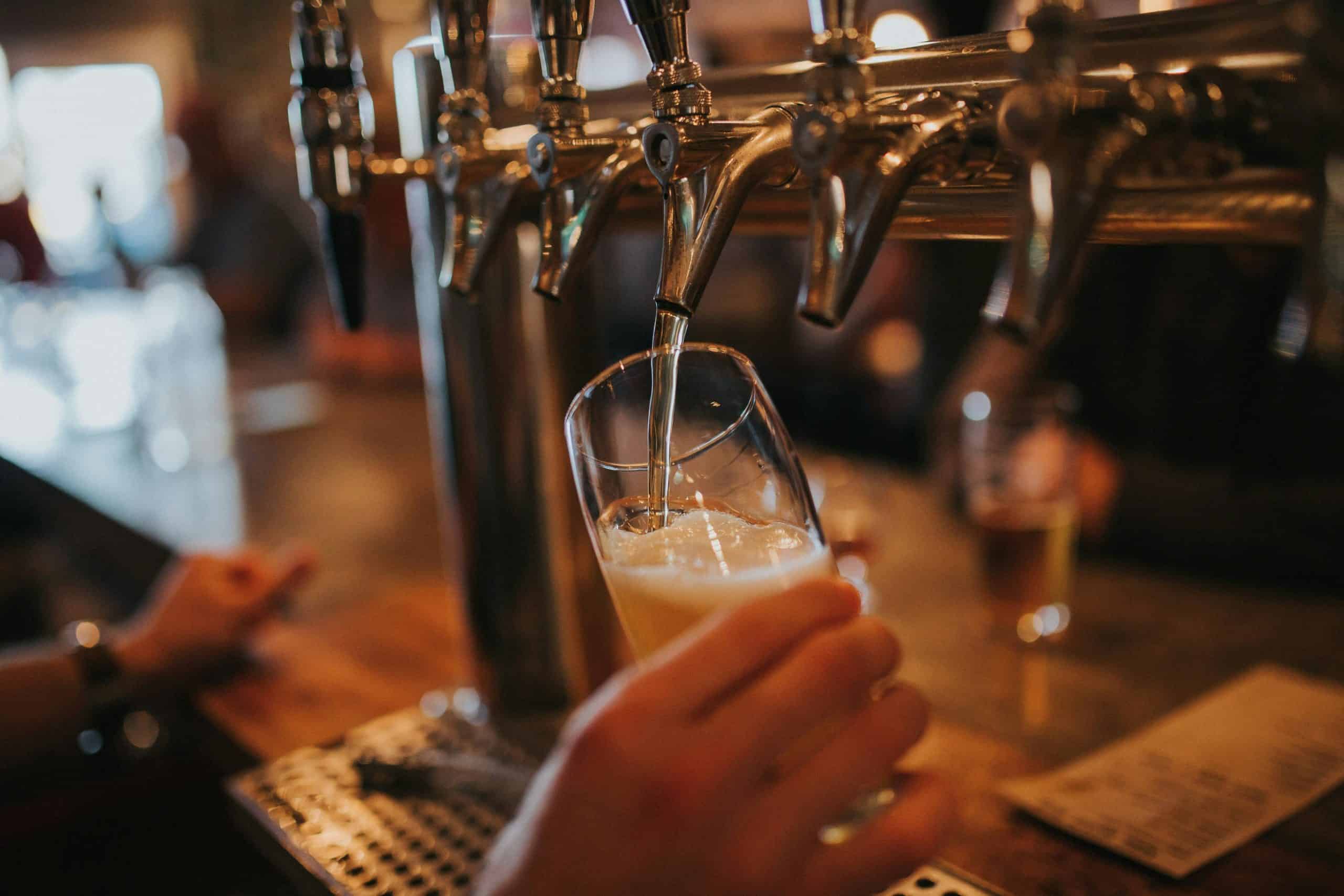
Guinness, founded by Arthur Guinness in Dublin in 1759, grew to become Ireland’s largest brewery by 1838 and the world’s largest by 1886 - still one of the most recognisable Irish exports today.
Irish coffee was invented in the winter of 1943 by chef Joe Sheridan at Foynes Port near Limerick, to warm cold transatlantic flying-boat passengers - coffee, Irish whiskey, sugar, and cream, topped with cream. It later spread to the United States, gaining wider popularity there through the 1950s.
Frequently Asked Questions
What are traditional Irish foods? Colcannon, Irish stew, bacon and cabbage, boxty, soda bread, coddle, potato farls, white pudding, and barmbrack are all well-established staples of Irish cooking.
What is the difference between black pudding and white pudding? Black pudding is made with blood; white pudding is made without it - otherwise sharing similar oatmeal, herb, and spice ingredients.
What is a traditional Irish breakfast? Eggs, bacon, sausages, mushrooms, baked beans, grilled tomatoes, and bread or toast, typically with black and white pudding.