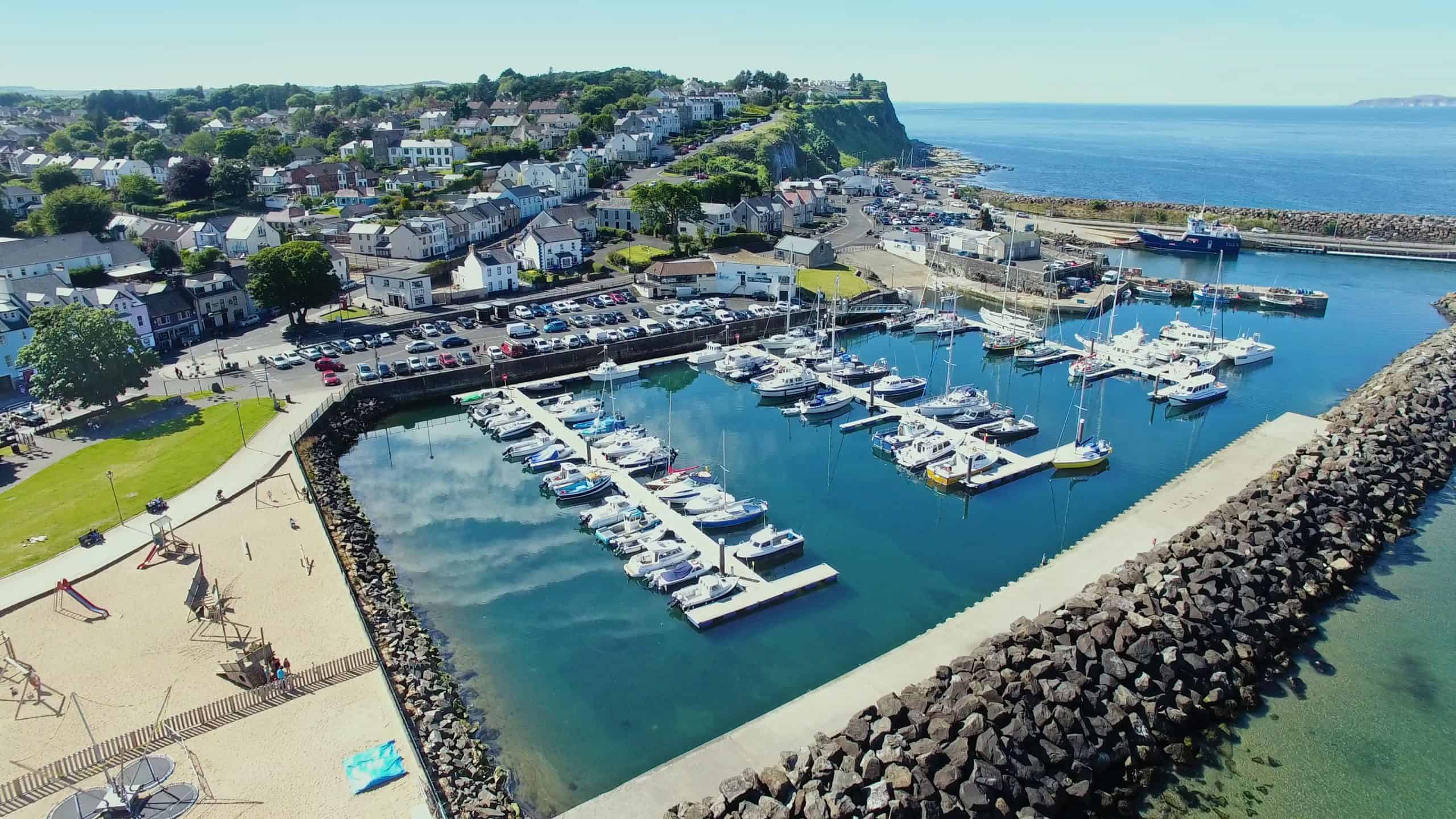
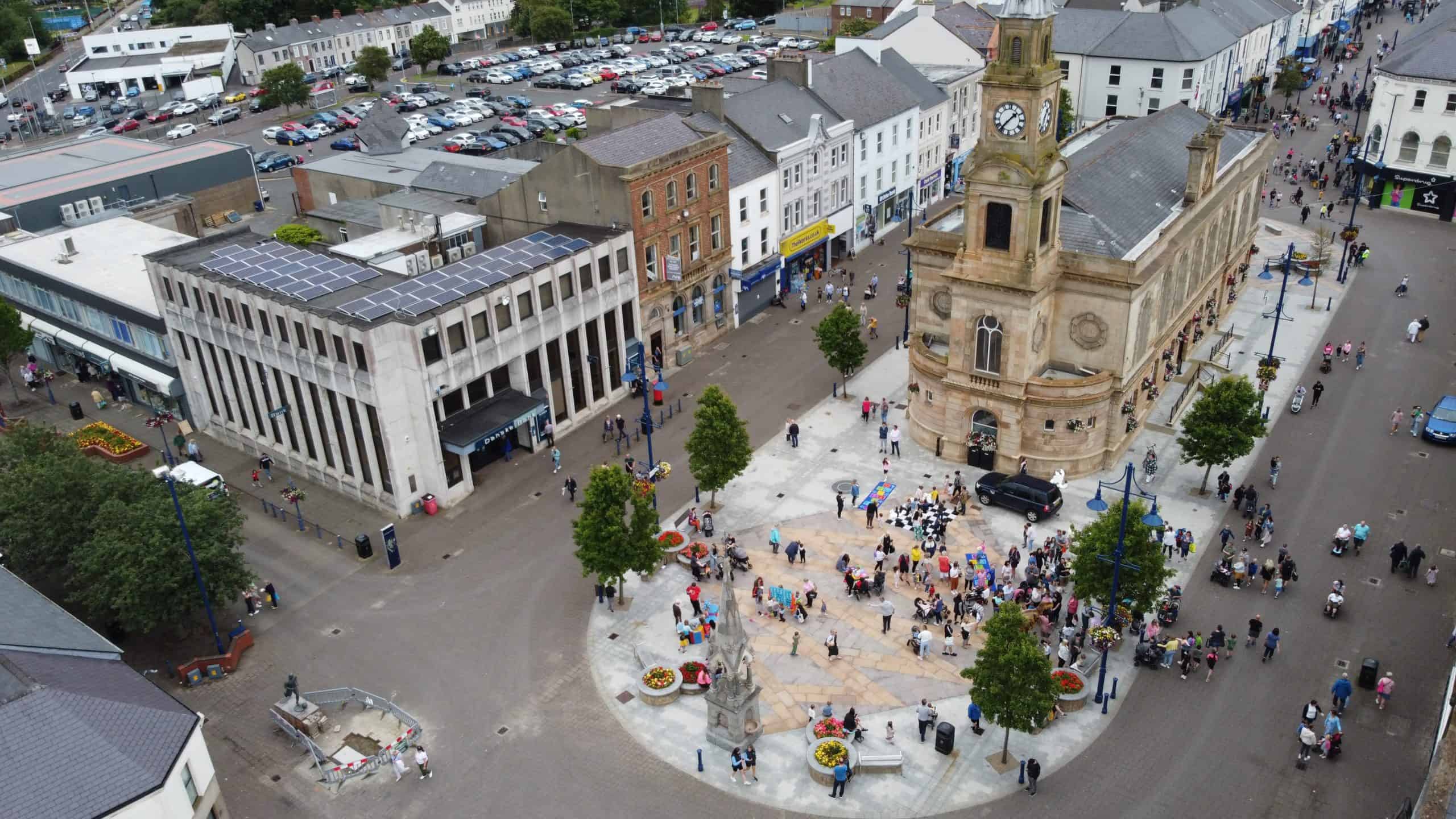
Coleraine, on the River Bann, is often considered the informal capital of the Causeway Coast - a historic town with modern amenities, close to the Causeway Coast’s beaches and the Giant’s Causeway.
Name and Population
Coleraine - Cúil Raithin in Irish, “nook of ferns” - is home to around 25,000 people, on the banks of the River Bann, Northern Ireland’s longest river. It sits in the historic County Londonderry, not County Antrim as visitors sometimes assume - an easy mix-up, since Coleraine borders Antrim and most of the well-known Causeway Coast attractions further east (Bushmills, Ballintoy, the Giant’s Causeway) are in Antrim.
Town Centre
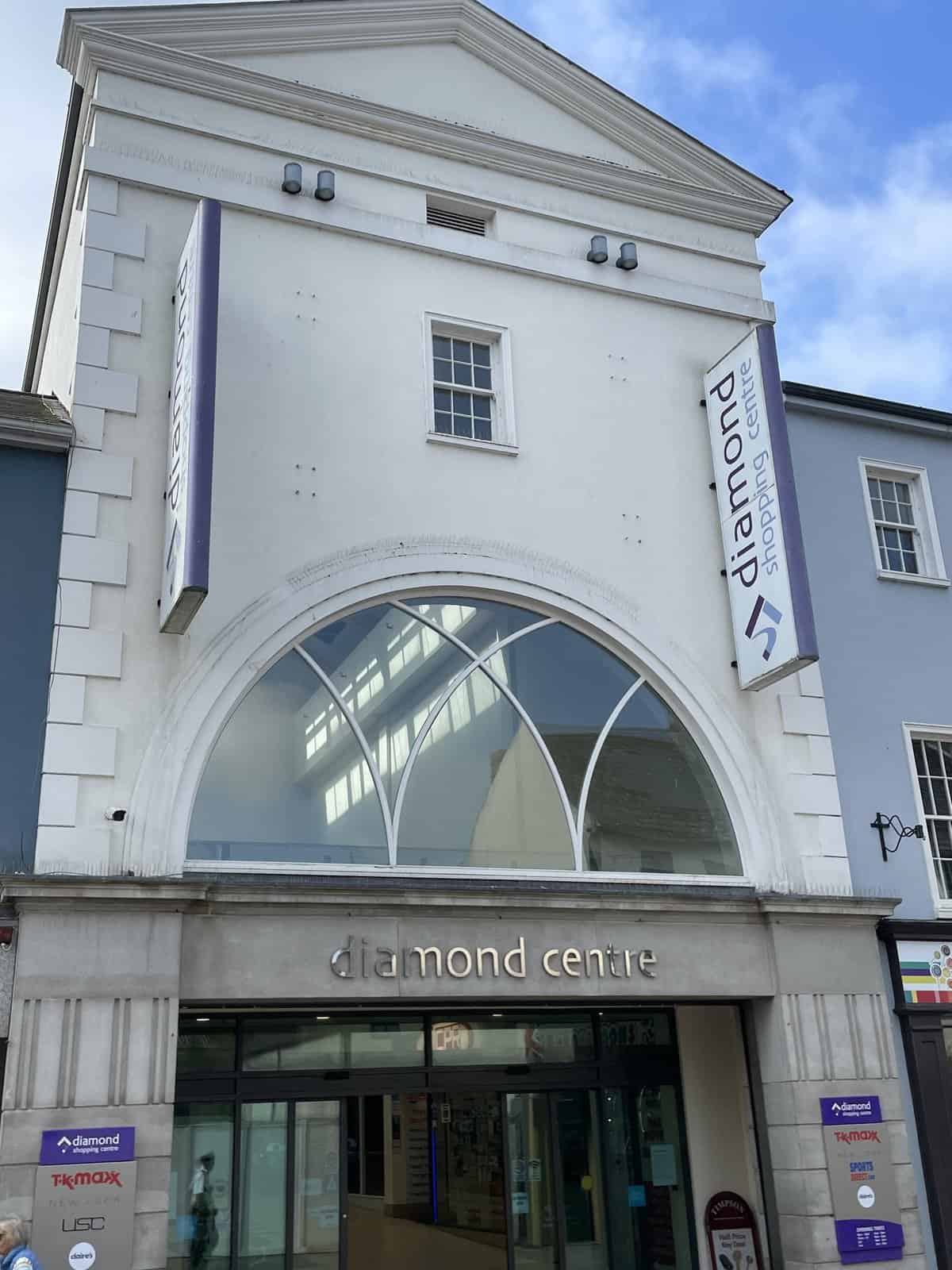
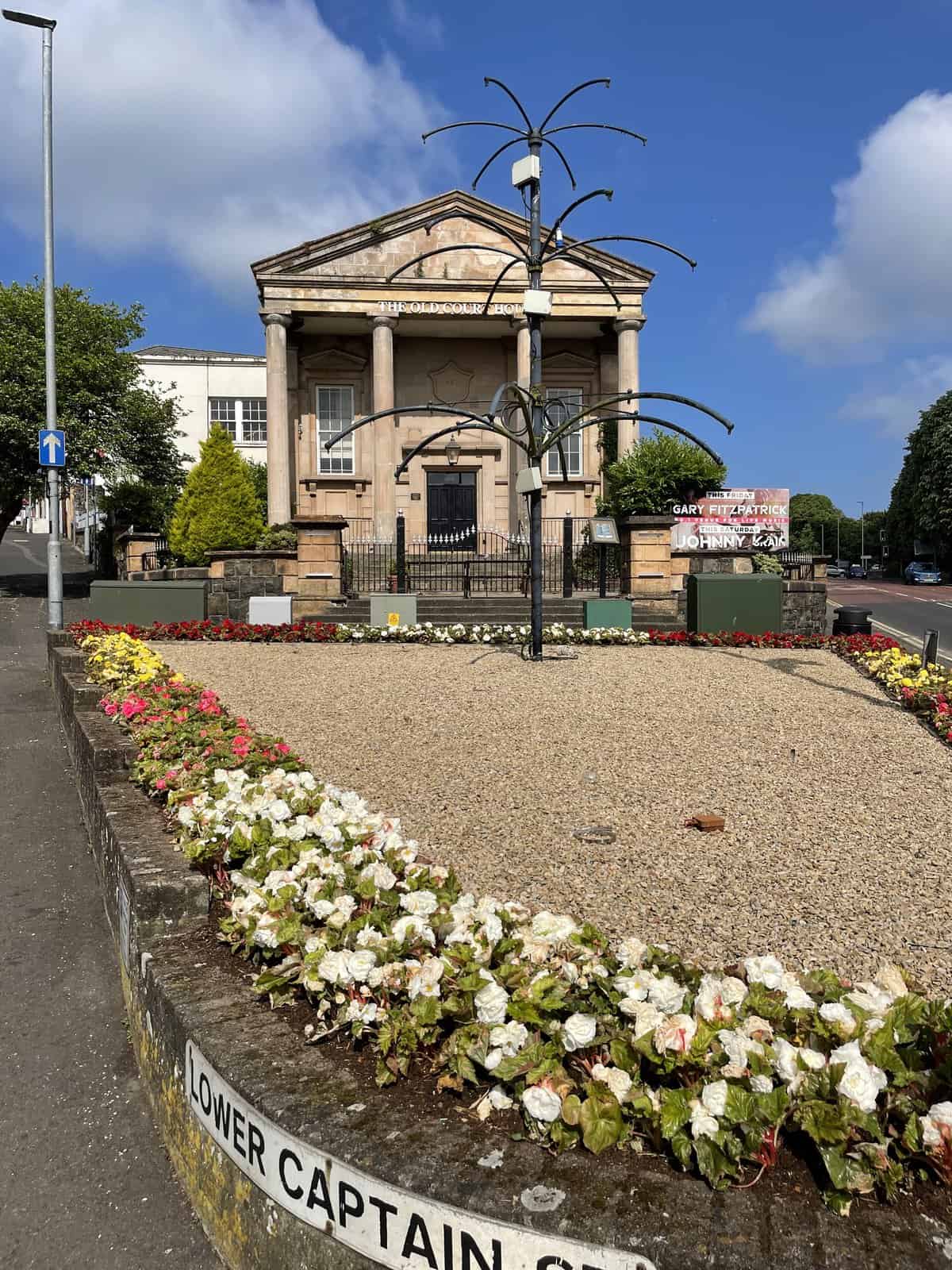
The Diamond is Coleraine’s official town centre, with a sandstone Town Hall built in 1859. The pedestrianised centre mixes high-street chains with independent cafés, pubs, and restaurants, including long-standing local department stores Dixons and Moores.
Culture and Leisure
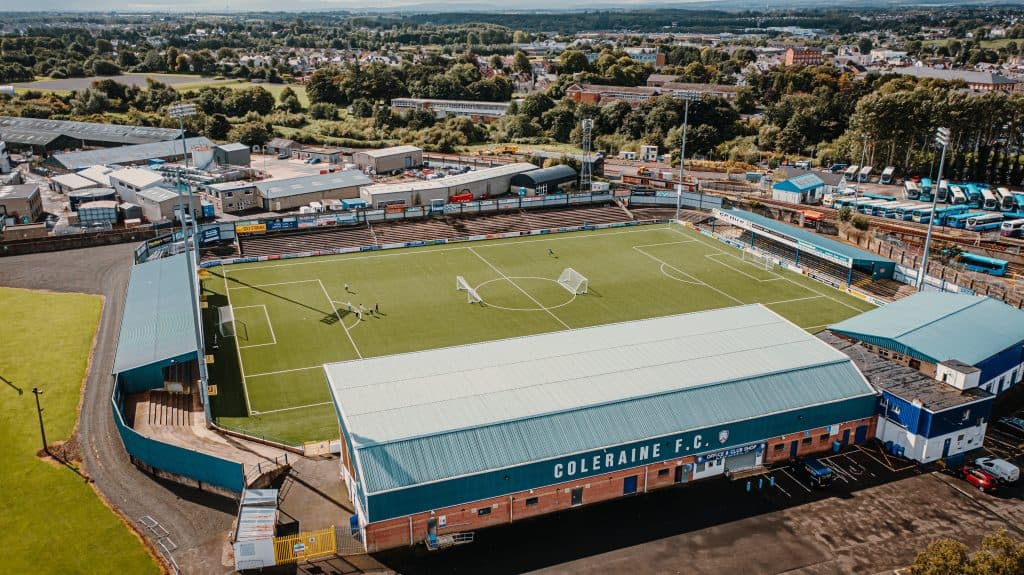 Coleraine football stadium. Photo: Unsplash
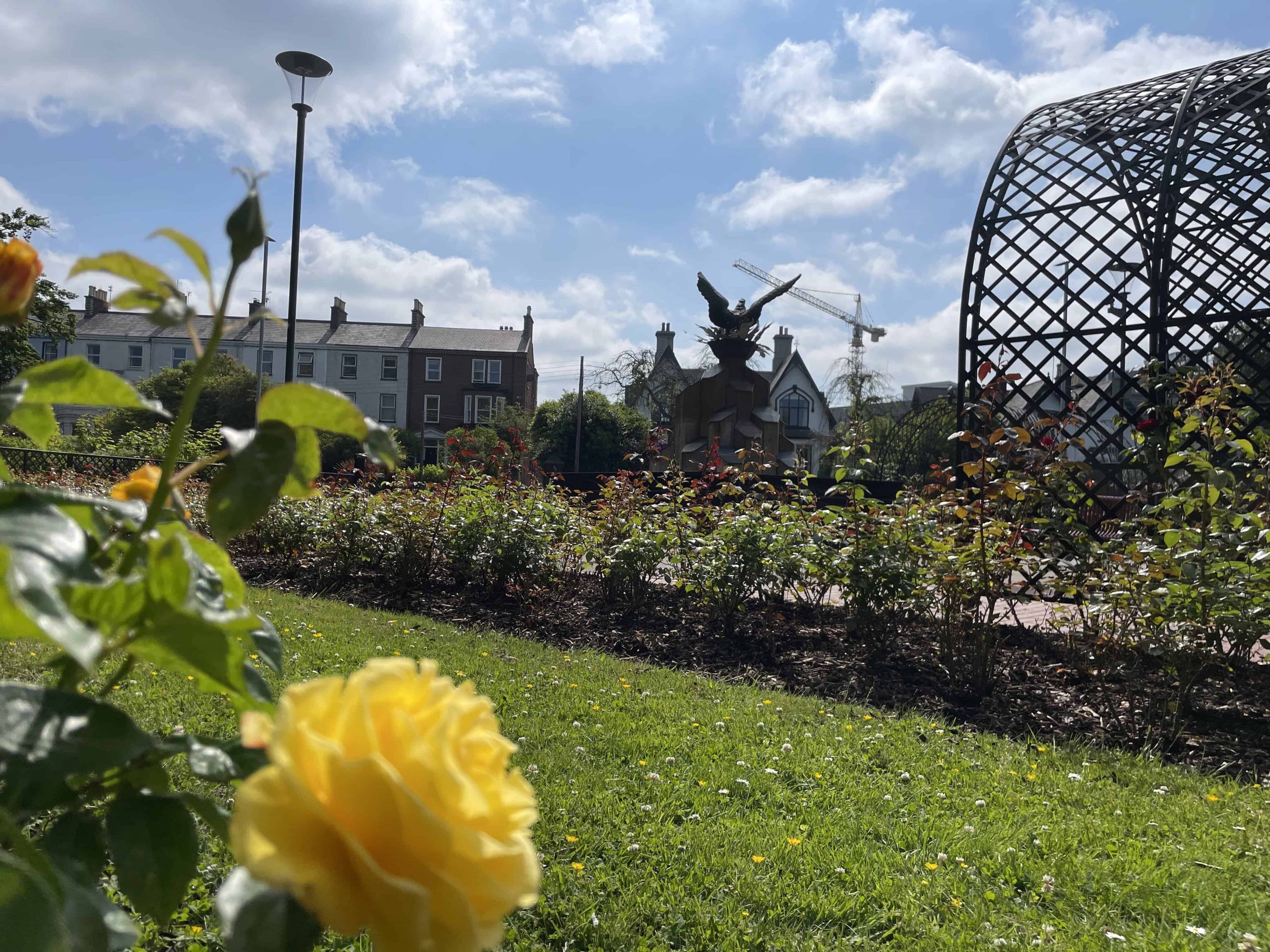
A leisure centre (gym, pools, sports hall) operates seven days a week. The Phoenix Peace Fountain, a gift from the USA, stands in Anderson Park. The Jet Centre, on the road to Derry/Londonderry, offers bowling, cinemas, and the Alley Cats indoor climbing park. The Riverside Theatre, one of Northern Ireland’s oldest professional theatres, is jointly operated by Causeway Coast and Glens Borough Council (the current local authority, since the 2015 local government reorganisation) and Ulster University, whose Coleraine campus, established in the 1960s, has shaped the town’s development. Actor James Nesbitt, a local, performed there as a young actor before his international career.
Coleraine is twinned with La Roche-sur-Yon in France - the first such partnership for a Northern Ireland town.
History
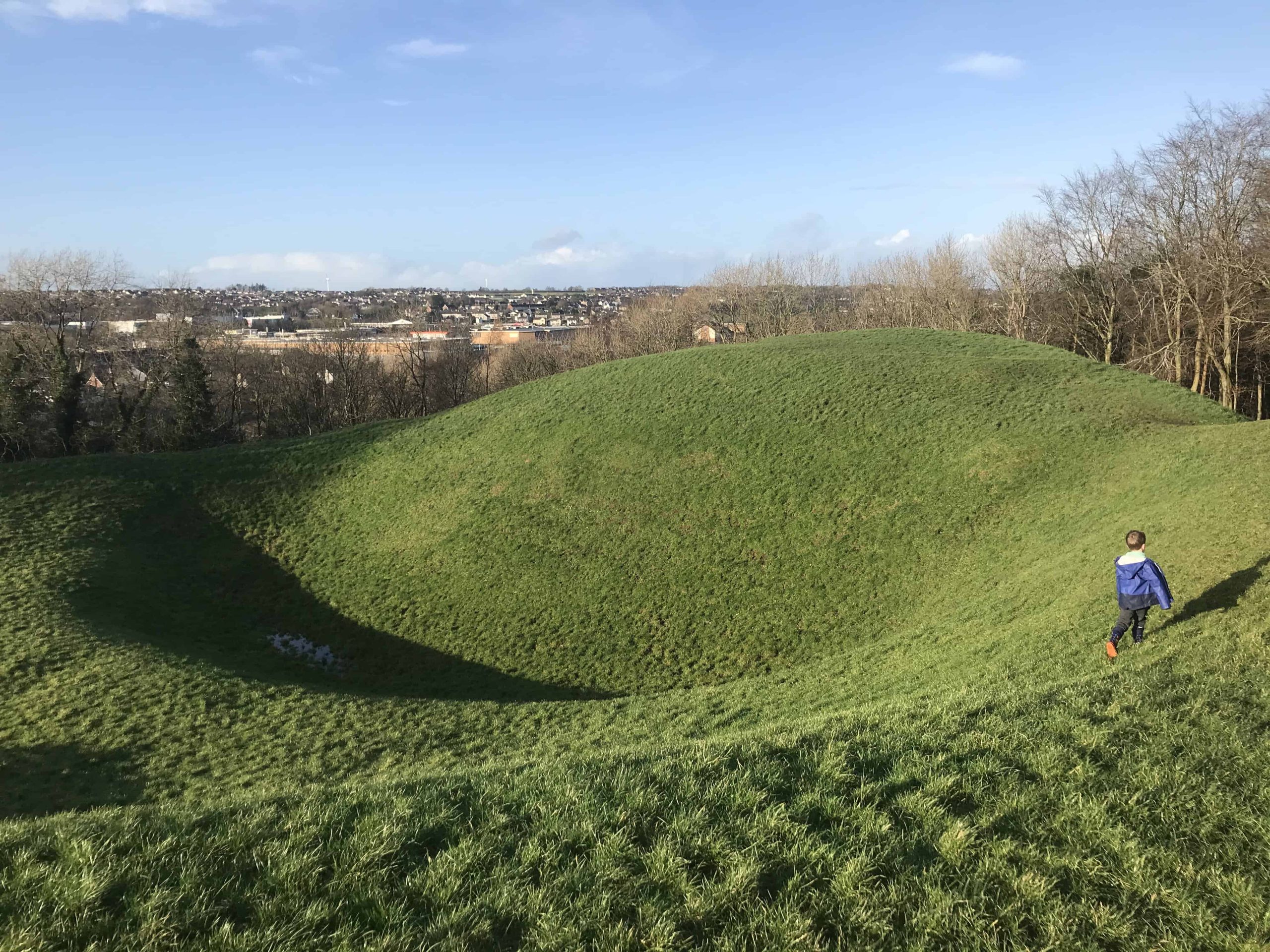
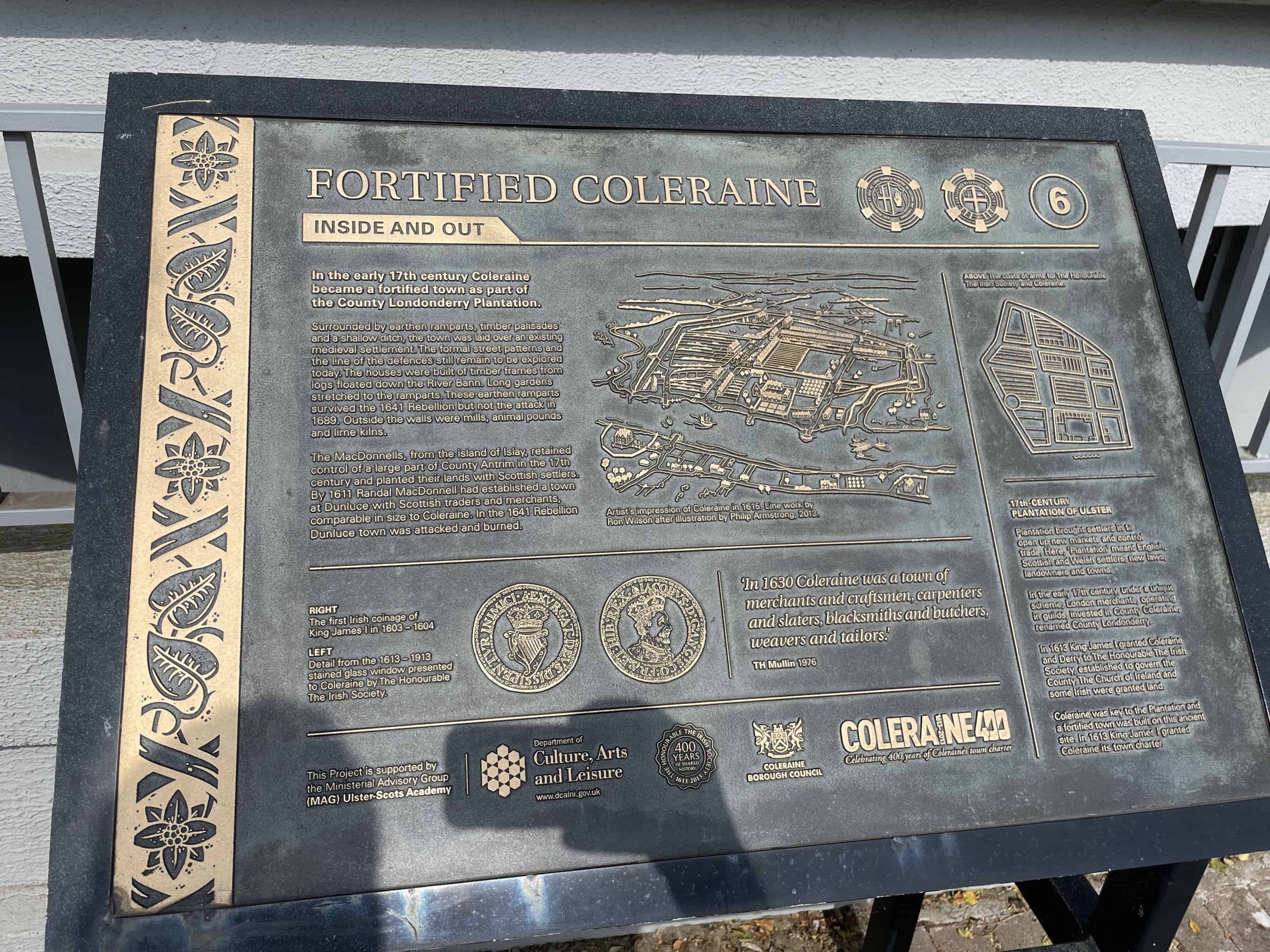
Mountsandel, on Coleraine’s edge, is the earliest known site of human settlement in Ireland, generally dated to around 7000-5935 BC (exact dating varies by source and method, a genuine reflection of the site’s age and the limits of dating evidence that far back). Coleraine became the first town settled under the Plantation of Ulster in 1607, following the Flight of the Earls, funded by the Honourable The Irish Society.
Coleraine experienced real violence during the Troubles, including bomb attacks in the town itself - a part of its history worth acknowledging honestly rather than glossing over, alongside its much longer story of settlement and growth.
Getting Here
About 55 miles northwest of Belfast via the A26 and A37, with a well-connected railway station (services to Belfast and Derry/Londonderry) and adjacent bus station.
Nearby

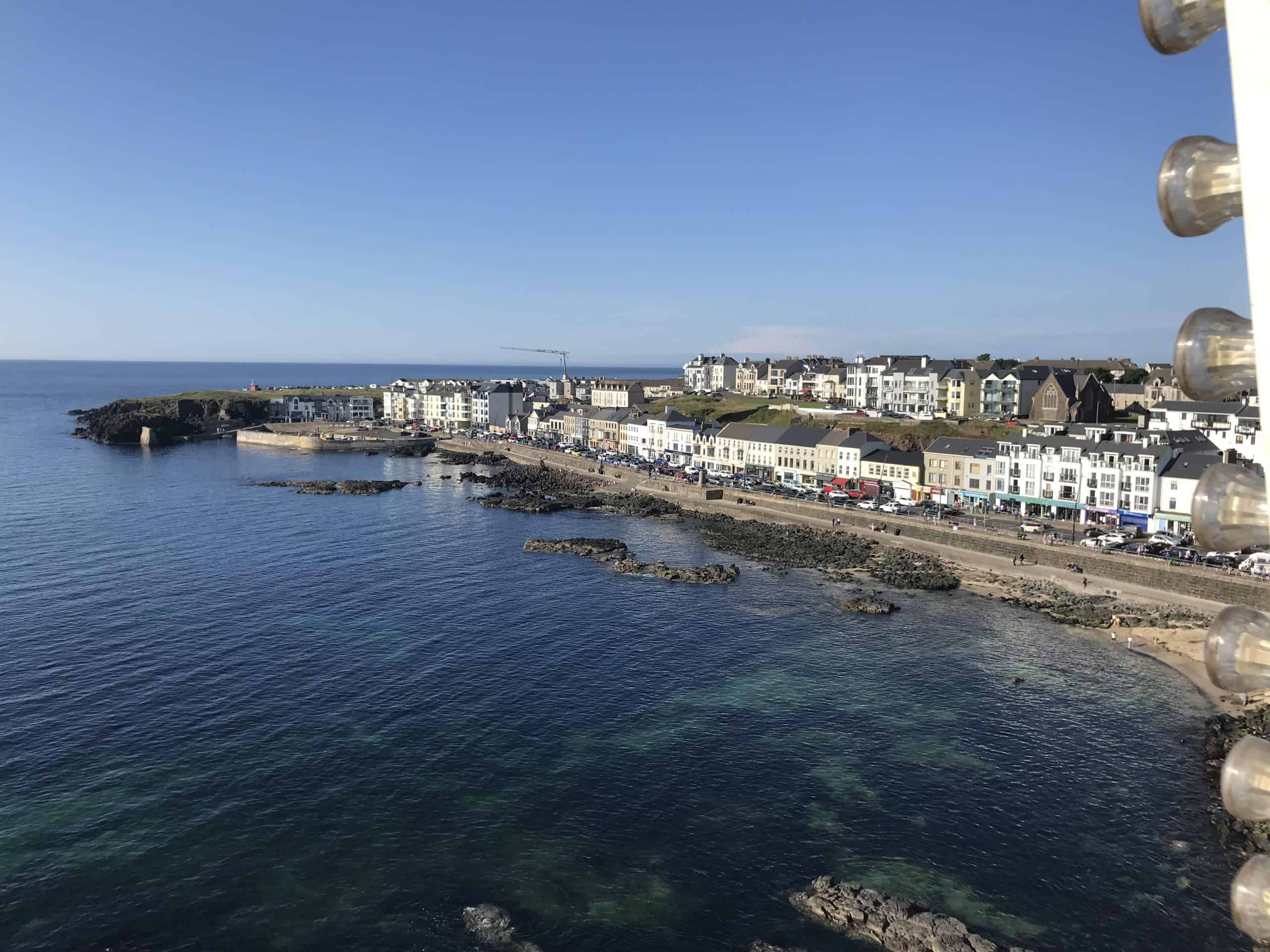
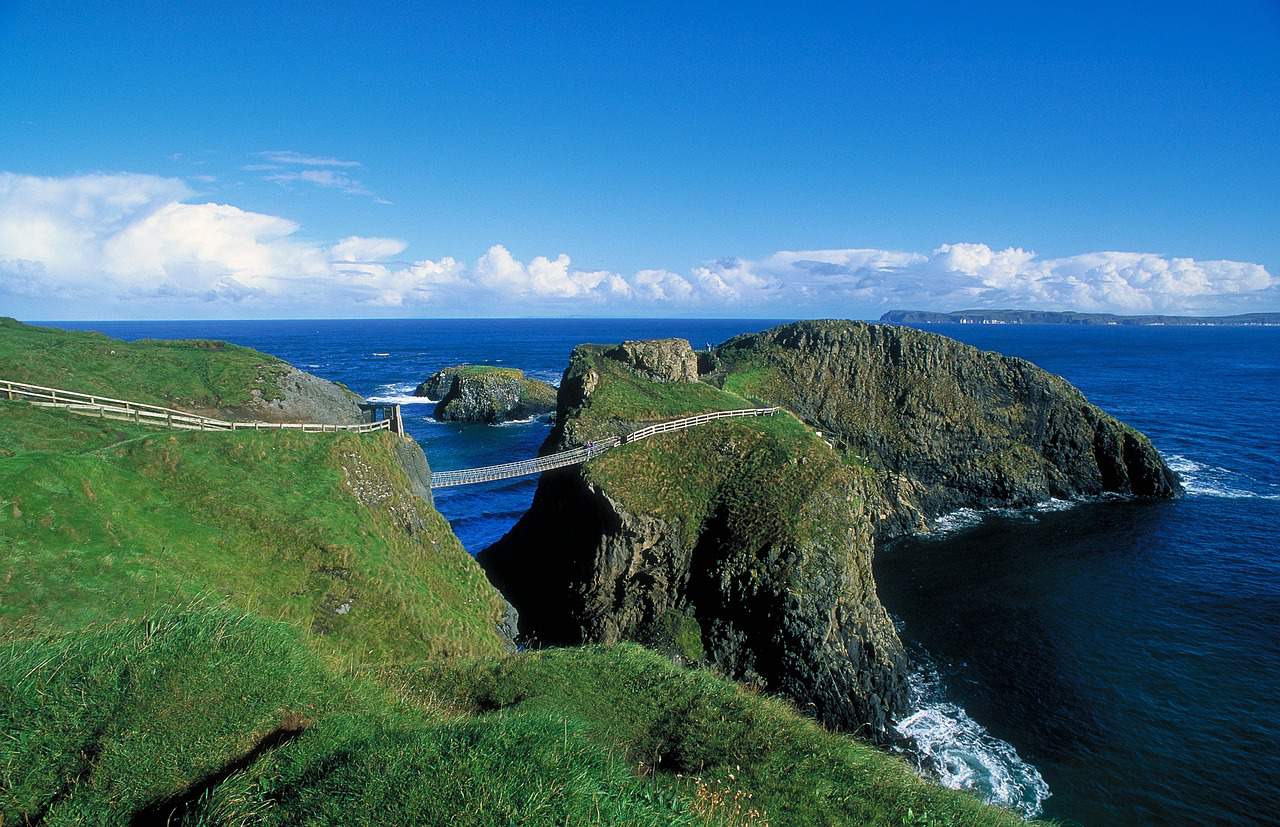
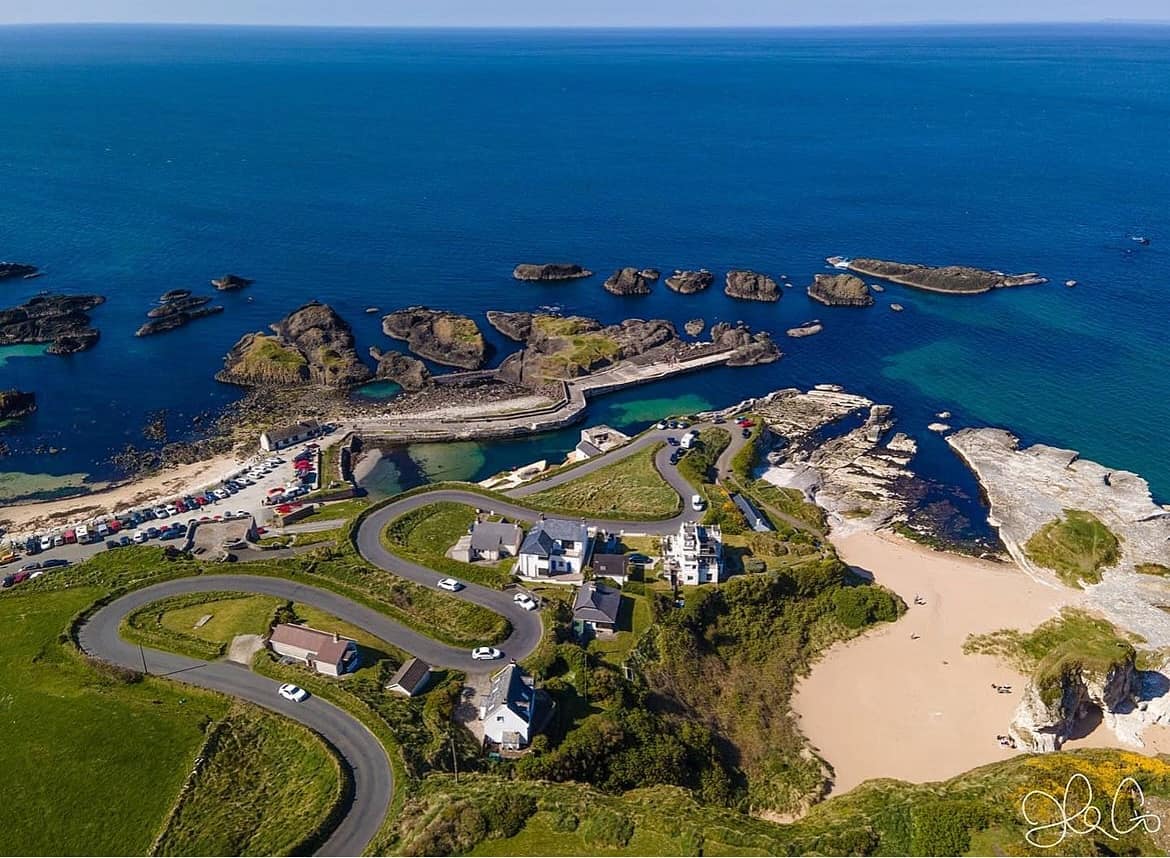
Mussenden Temple, built in 1785 as a summer library for Frederick Hervey, Bishop of Derry, sits a few miles south on the Downhill Demesne. Portstewart, Portrush, Castlerock, Bushmills, and Ballycastle are all close by, along with Carrick-a-Rede, the Giant’s Causeway, and Dunluce Castle. The Causeway Coast is also a genuine Game of Thrones filming backdrop - the Dark Hedges and Ballintoy Harbour among the nearby locations.
Getting Active
Coleraine’s harbour and marina, a mile from town toward Portstewart, offers sailing, fishing, and water sports, with several golf courses nearby. The National Cycle Network route through Coleraine, crossing the Millennium Bridge, opened in May 2001.
Food and Drink
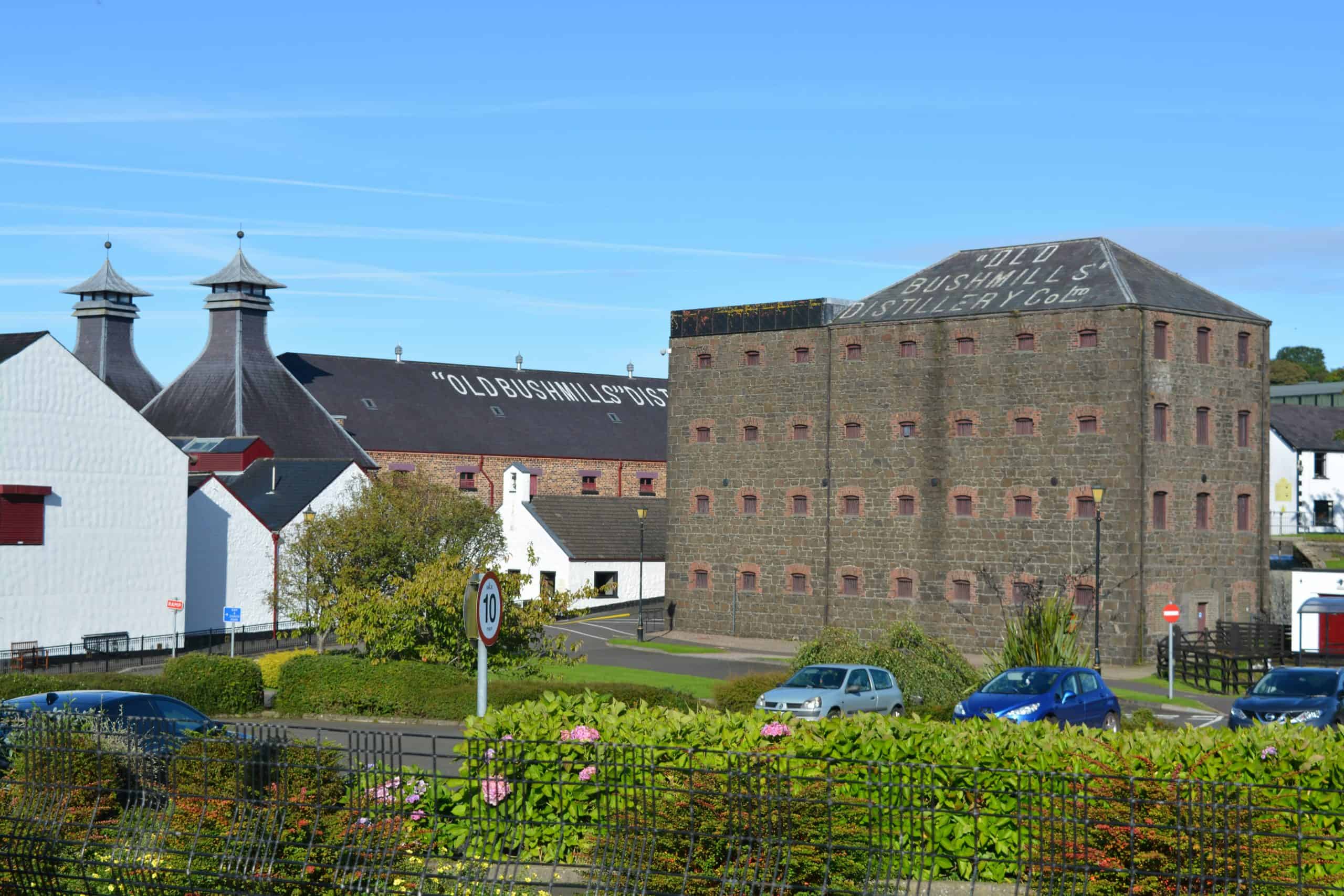
A genuine mix of restaurants, cafés, and traditional pubs, with Ulster stew, seafood chowder, and the Ulster fry all commonly featured - plus easy access to the Old Bushmills Distillery nearby.
The North West 200
The Causeway Coast hosts the North West 200 road race each May, on public roads between Portstewart, Portrush, and Coleraine - one of the last events of its kind in Europe.
Frequently Asked Questions
What county is Coleraine in? County Londonderry, not Antrim - though it sits right on the Antrim border and is often lumped in with the wider Causeway Coast, most of which is in Antrim.
How far is Coleraine from the Giant’s Causeway? About 10 miles (16 km), roughly a 20-minute drive via Bushmills.
How far is Coleraine from Portrush and Portstewart? Portrush is about 6 miles away, Portstewart closer still at around 4 miles - both a 10-15 minute drive.