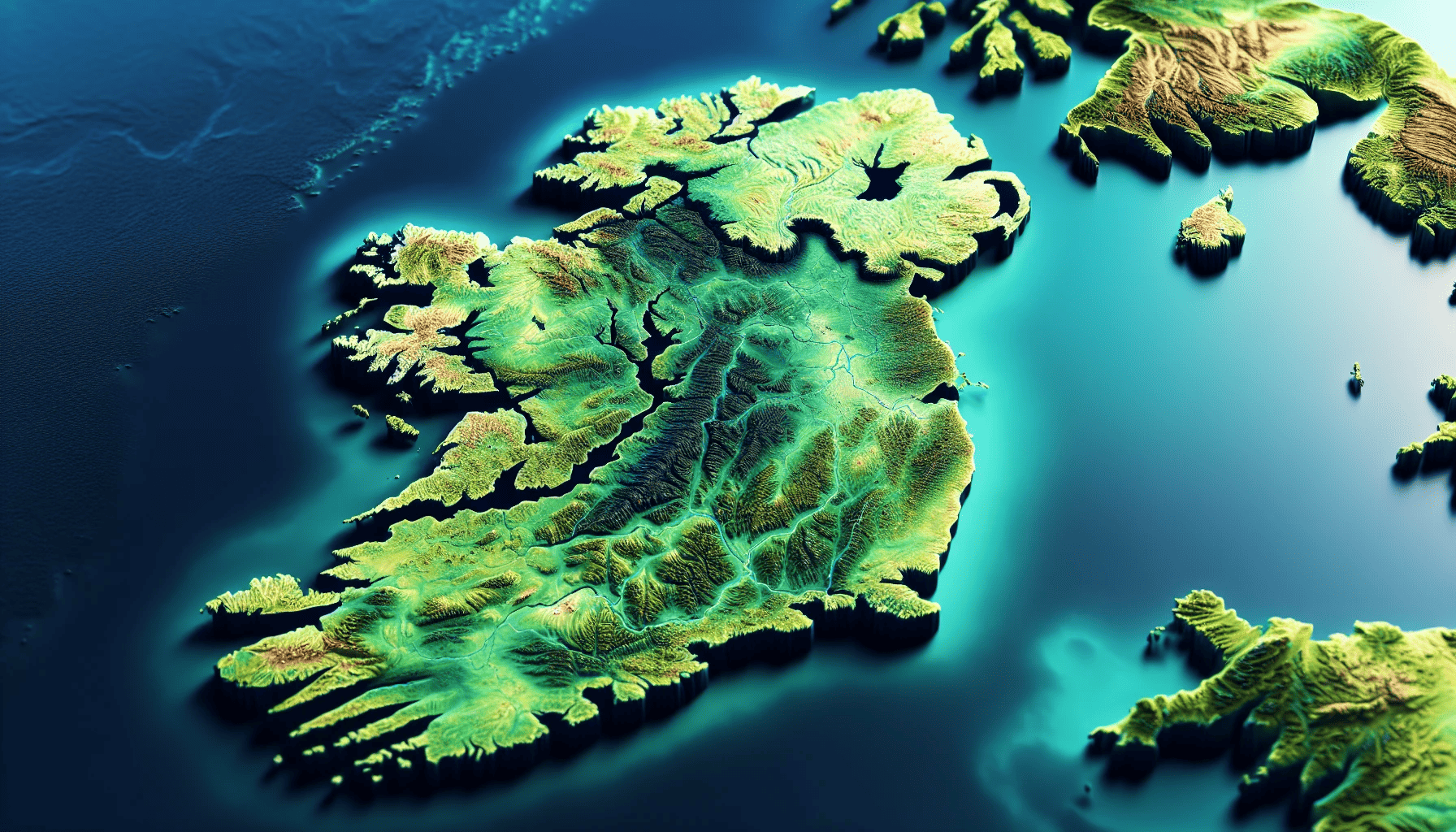
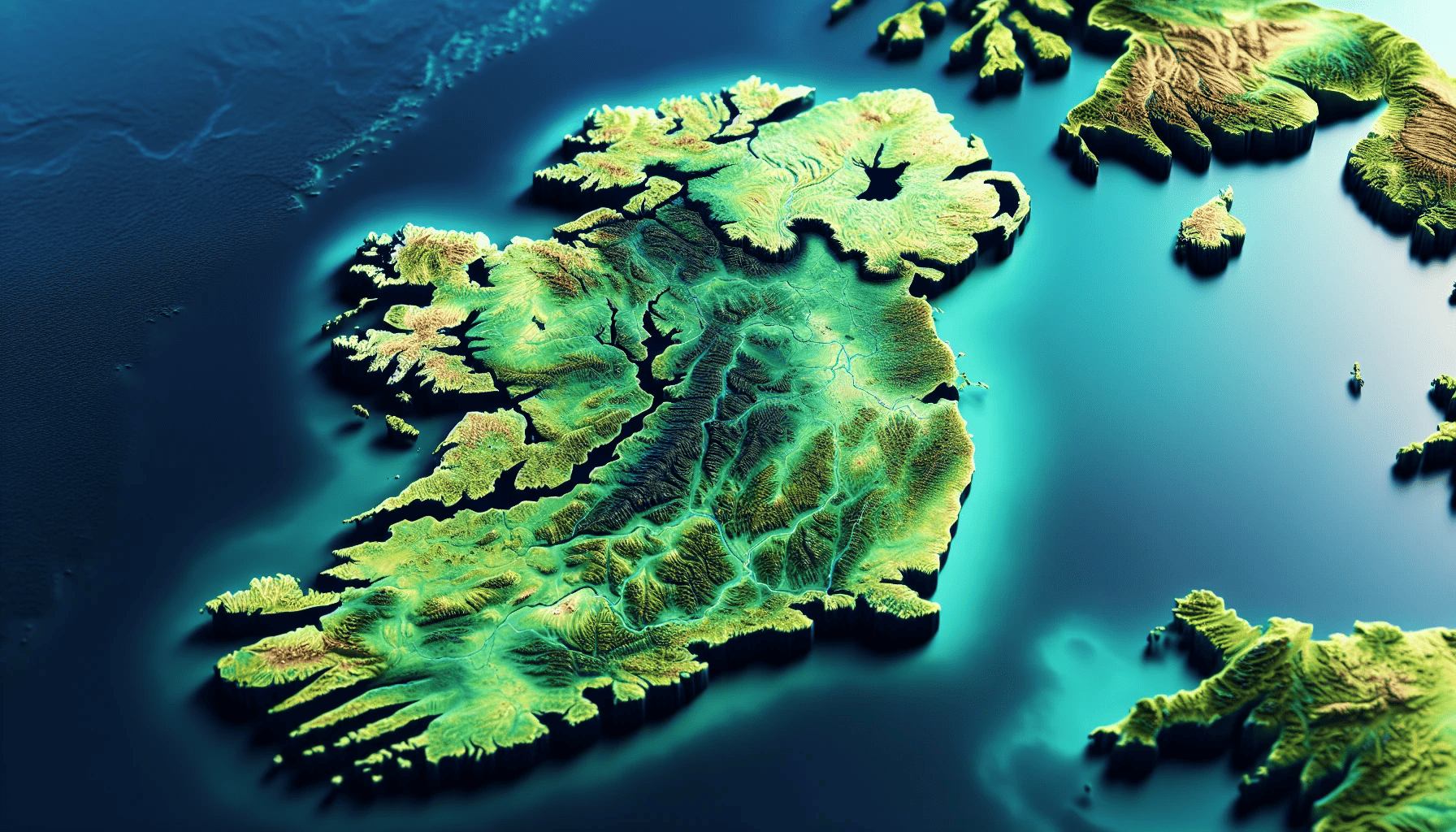
The island of Ireland is home to two separate countries: Northern Ireland, part of the United Kingdom, and the Republic of Ireland, a fully independent, sovereign nation and EU member. They share the same island and a deeply intertwined history, but have developed distinct political systems, currencies, and international affiliations.
The Political Divide
Northern Ireland operates as a devolved region within the UK, governed by the Northern Ireland Assembly and Executive at Stormont (Parliament Buildings, Belfast), established under the 1998 Belfast/Good Friday Agreement to share power between unionist and nationalist parties.
The Republic of Ireland is a parliamentary constitutional republic, with a president as head of state and a Taoiseach (prime minister) as head of government. Catherine Connolly has served as President of Ireland since 10 November 2025, succeeding Michael D. Higgins after his second seven-year term ended.
Cultural Contrasts
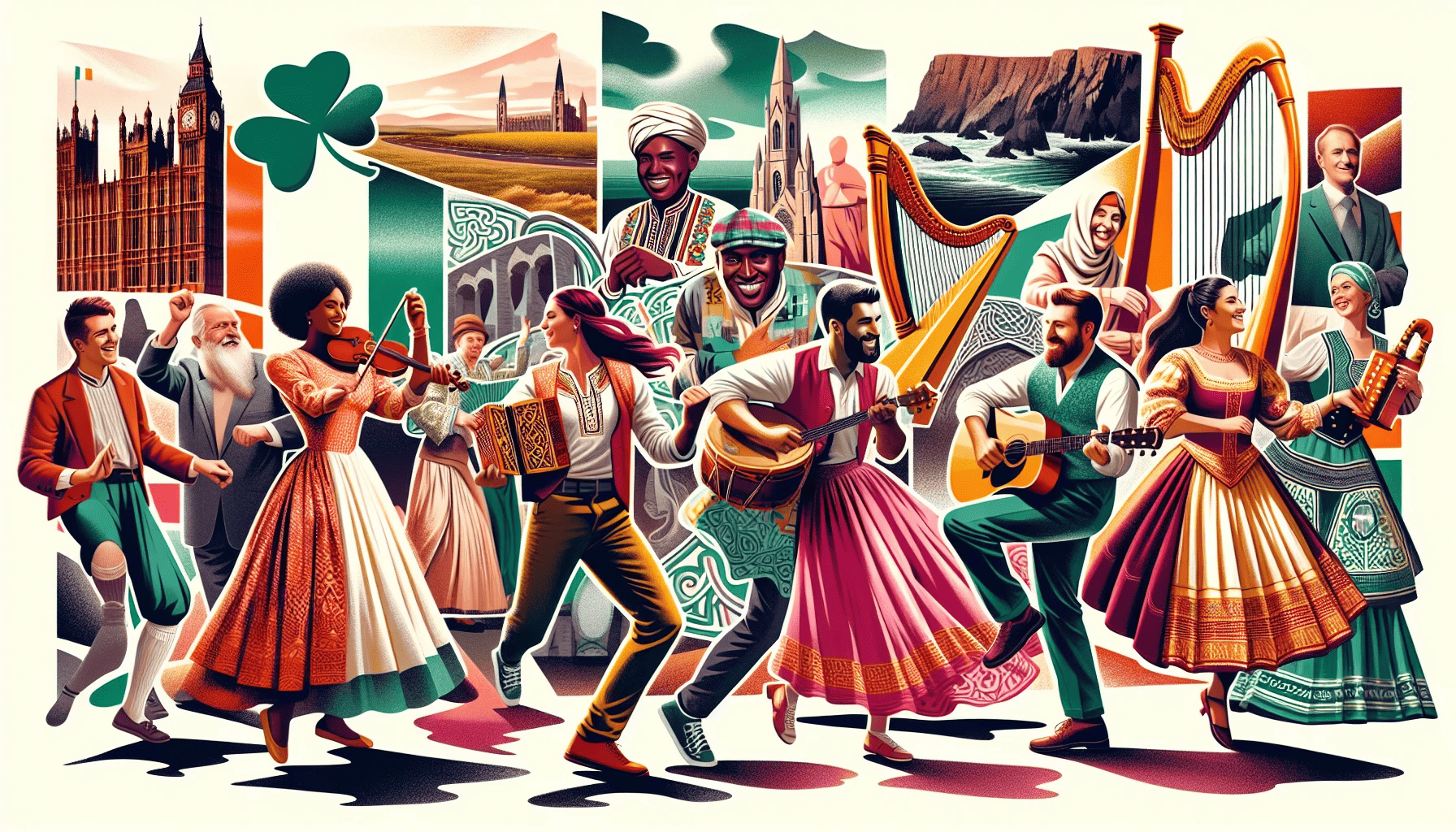
Language: English is the majority language in both. In the Republic, Irish (Gaeilge) is the first official language, and road signs are bilingual. In Northern Ireland, Irish and Ulster Scots are both spoken and have seen a real resurgence of interest, though road signage remains English-only.
Religion: Northern Ireland has a religious mix of Catholicism and Protestantism (including Presbyterianism and the Church of Ireland); the Republic is predominantly Catholic. These religious affiliations have historically tracked closely with political identity - broadly, Protestant/ unionist versus Catholic/nationalist - though this is a generalisation, not a rule.
Economic Factors
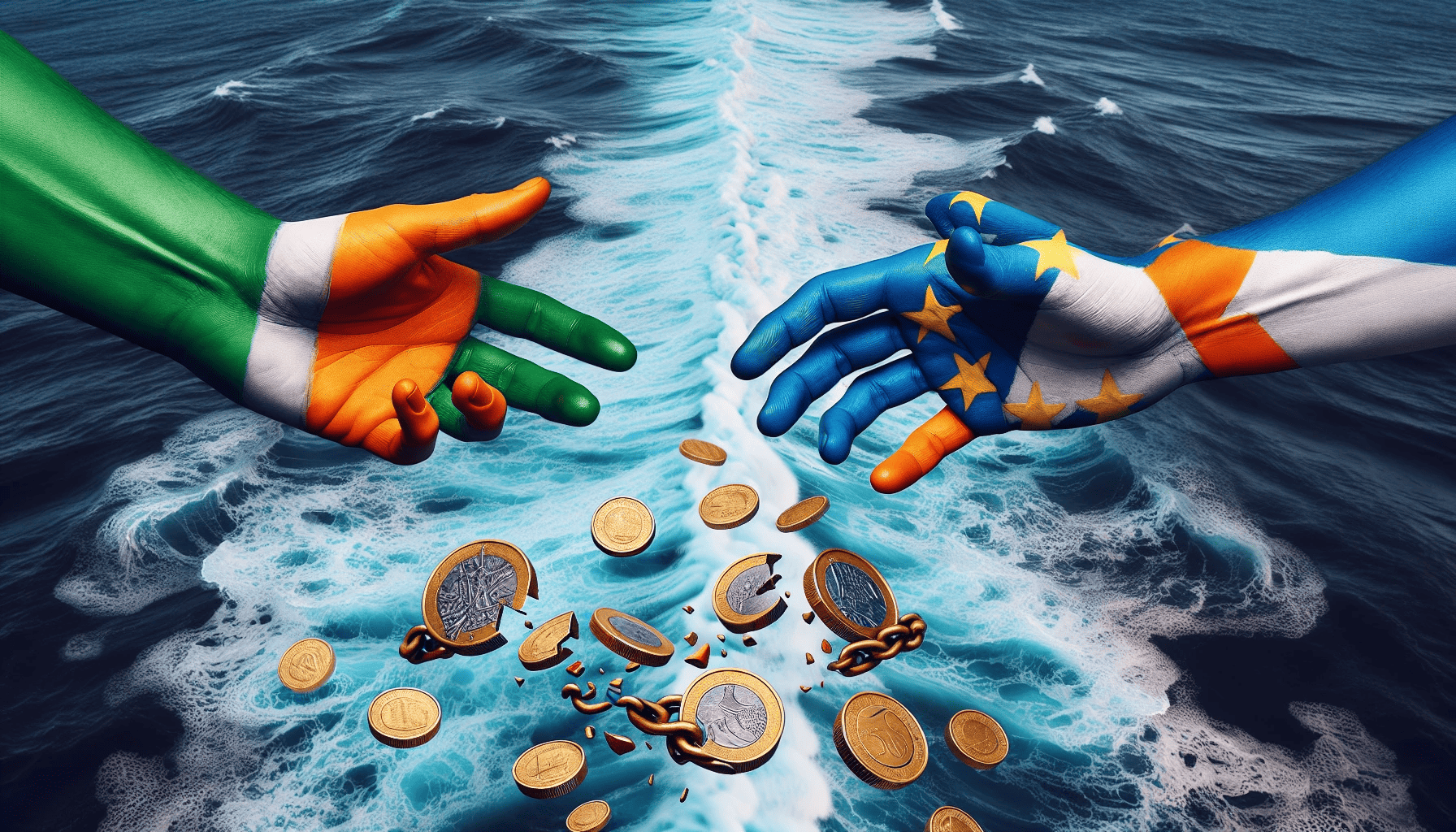
Currency: the Republic uses the Euro (since joining the eurozone in 1999); Northern Ireland uses Pound Sterling as part of the UK.
Brexit and trade: the UK’s departure from the EU introduced real uncertainty around trade and the border. The Northern Ireland Protocol (part of the Brexit agreement) aims to avoid a hard land border by keeping Northern Ireland aligned with some EU regulations - implementation has been an ongoing point of negotiation between the UK and EU.
Geographic Features
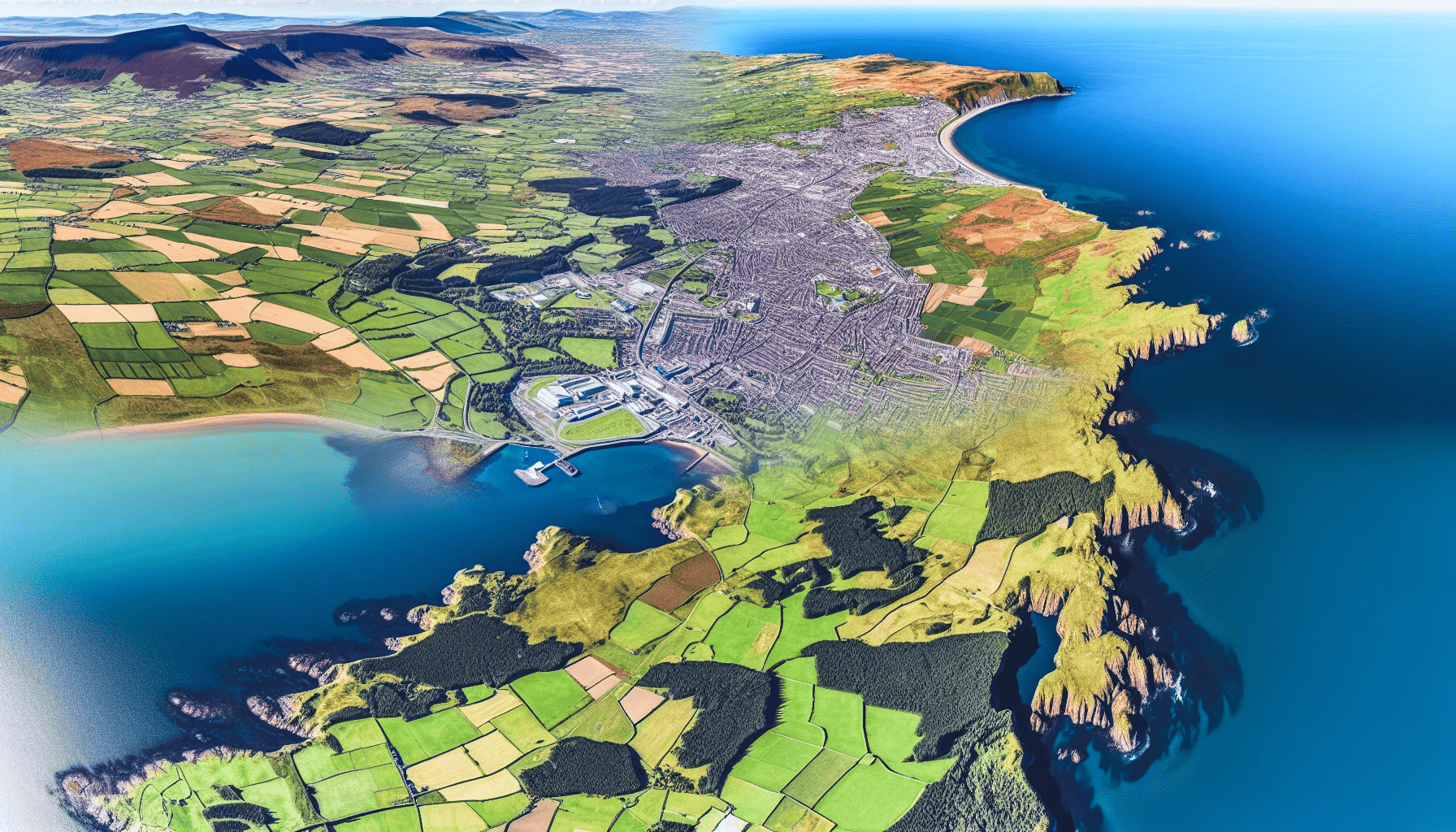
Population (current estimates): Northern Ireland’s population is around 1.93-1.94 million; the Republic of Ireland’s is around 5.1-5.4 million - both figures have grown noticeably in recent years, so treat any specific number as a snapshot rather than fixed. Belfast, Northern Ireland’s capital, has a population of roughly 345,000-352,000 across its local government district. Dublin, the Republic’s capital, is substantially larger, though exact comparisons depend on whether city-proper or wider metro-area boundaries are used.
Landmarks: Belfast’s major sites include Titanic Belfast, Cave Hill, Belfast City Hall, Belfast Castle, and St Anne’s Cathedral. Dublin’s include St Patrick’s Cathedral, Dublin Castle, Trinity College, Kilmainham Gaol, and O’Connell Bridge.
Historical Context
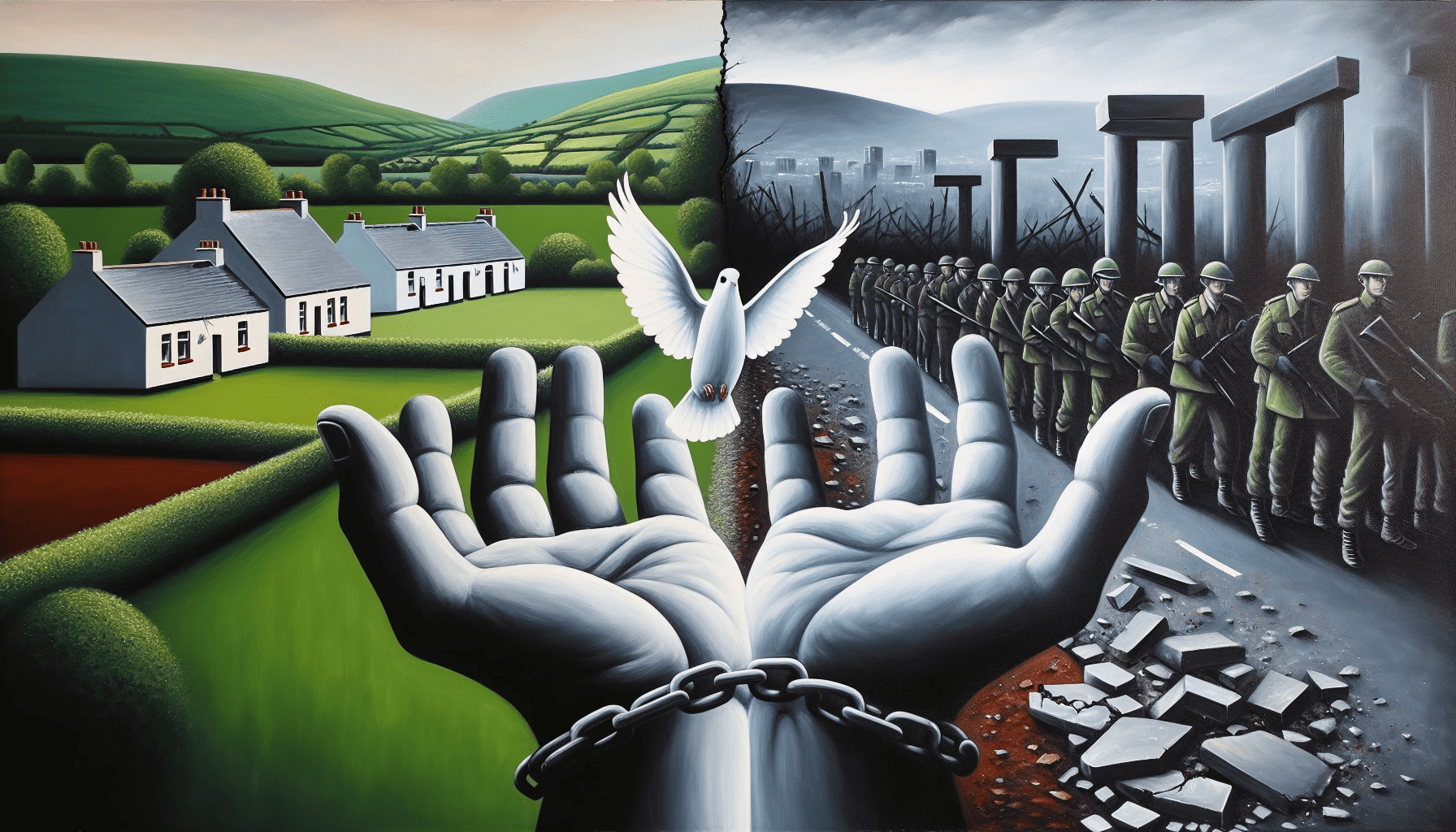
The Partition of Ireland in 1921 created Northern Ireland as a separate entity within the UK, following the Irish War of Independence and the Anglo-Irish Treaty. The Troubles, roughly three decades of conflict rooted in the region’s political and religious divisions, ended with the 1998 Good Friday Agreement, which established power-sharing government and international support for the peace process.
Travel Considerations
Border crossings: there’s no physical border between Northern Ireland and the Republic today. The Common Travel Area allows Irish and UK citizens to live, work, study, and travel freely between the two without passport checks - though Brexit has raised ongoing questions about the border’s future.
Getting around: Northern Ireland uses miles per hour and English-only road signage; the Republic uses kilometres per hour and bilingual (Irish/English) signage - worth noting when driving across the border.
Frequently Asked Questions
What’s the difference between Northern Ireland and Ireland? Northern Ireland is part of the United Kingdom; the Republic of Ireland is a separate, independent, sovereign nation.
Why are they split? Partition in 1921 created Northern Ireland from six of Ulster’s nine counties, remaining within the UK, while the rest of the island became independent as the Irish Free State (later the Republic of Ireland).
Is it better to visit Ireland or Northern Ireland? Neither is objectively “better” - they offer genuinely different experiences (and this is, after all, a Causeway Coast and Northern Ireland travel site). Many visitors combine both in one trip, made easy by the lack of a physical border.
What’s the primary language in both? English, alongside Irish (an official language in the Republic, with growing use in Northern Ireland) and, in Northern Ireland, Ulster Scots.
What are the two capitals? Belfast (Northern Ireland) and Dublin (the Republic of Ireland).