Irish slang blends Gaelic-derived words with distinctly Hiberno-English phrasing - here’s a primer for visitors.
The Essentials
“Craic” (fun, good company, or “what’s going on”) is the single most important word to know, at the heart of everyday conversation. “Grand” covers everything from “good” to “fine, I suppose” - a flexible, understated way of answering “how are you?” “Fair play” is used to acknowledge someone’s achievement or good deed - straightforward praise, in everyday use across Ireland.
Compliments and Insults
Warm terms of praise include “bang on,” “class,” “deadly,” and “fierce” (all meaning good or excellent). On the teasing side, “eejit” (idiot), “fecker” (a foolish person), “gowl,” and “mouldy” (very drunk) are common - usually delivered with affection rather than real offence among friends.
Weather and Everyday Life
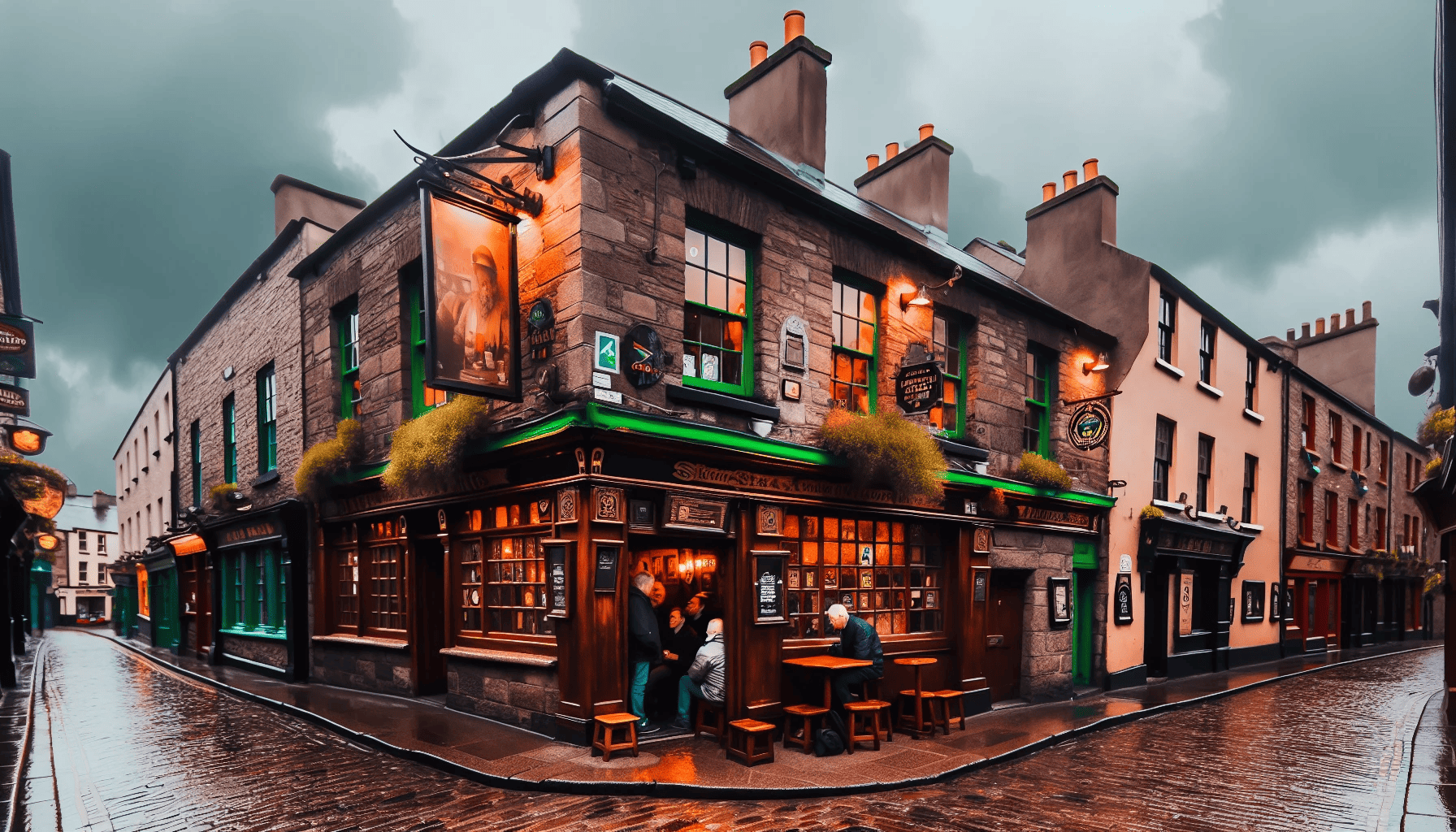
“Soft day” describes light, misty rain; “bucketing down” means heavy rain. “Minerals” means soft drinks, and “yer man” (or “yer one”) refers to someone whose name you’re not using, often with a hint of disapproval. Guinness is commonly called “the black stuff.”
Pub Talk
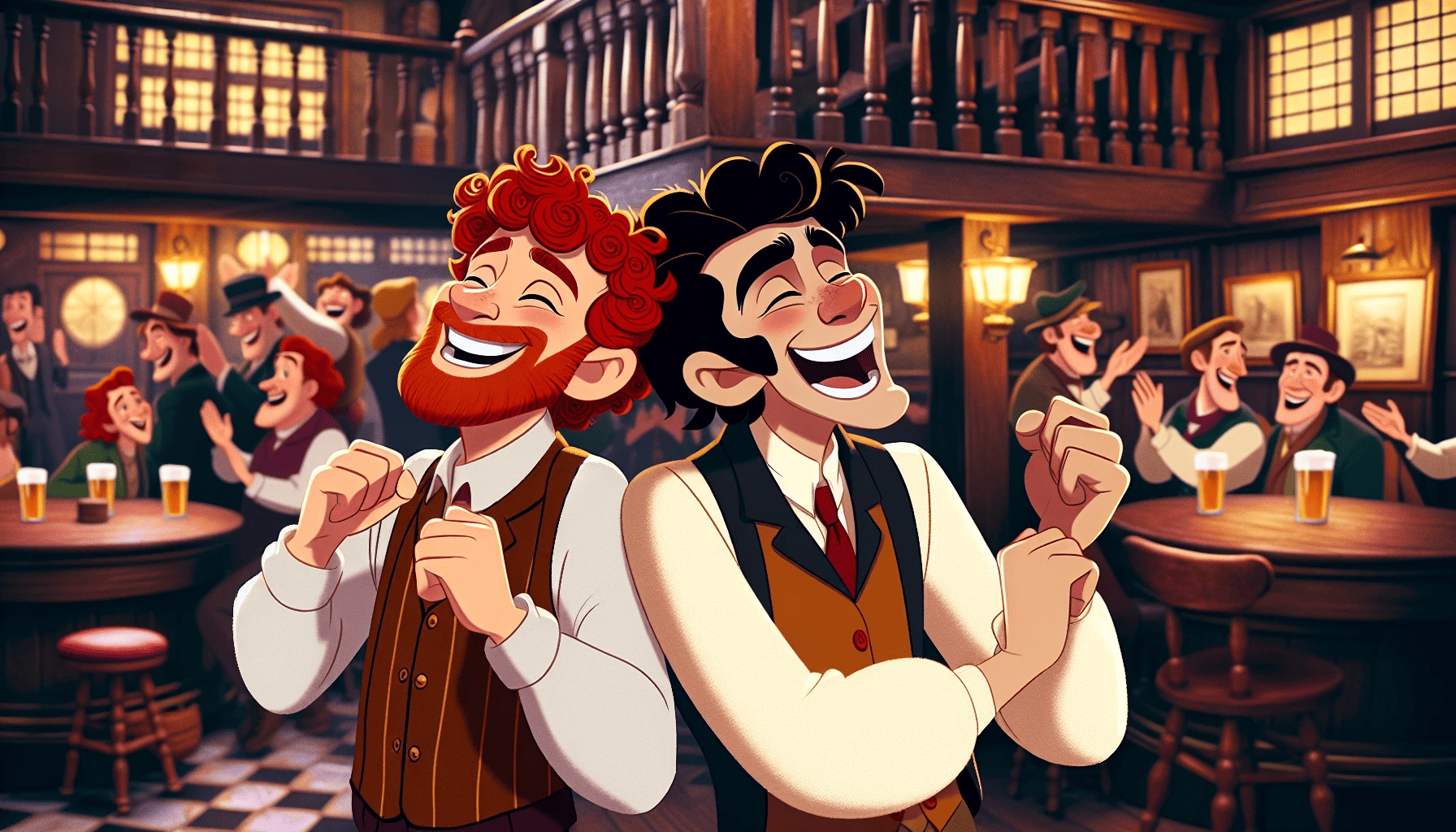
“Gargle” and “juice” both mean alcohol; a “swift one” is a quick drink, and “I’ll stand my round” means you’re buying. “Culchie” refers, semi-affectionately, to someone from a rural area.
Flirting and Fun

“Shift” and “lob the gob” both mean kissing; “grá” means love or affection; “coddin’ ya” means “I’m only joking”; and “acting the maggot” means messing about or behaving foolishly. “Gas” means funny.
Using Irish Slang
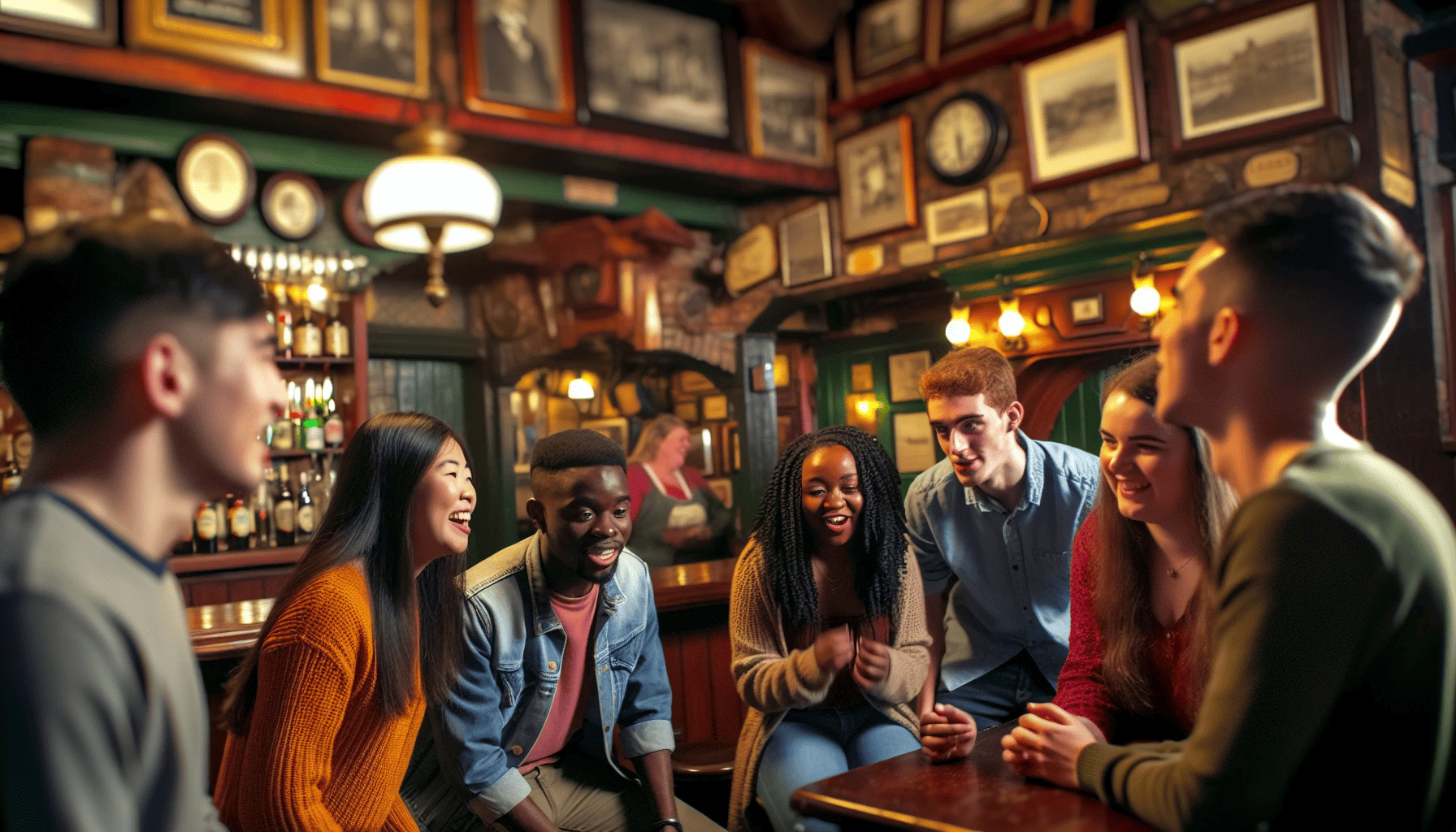
Most of these terms are used warmly and informally among friends - as with any slang, tone and context matter more than the words themselves, and a little goes a long way as a visitor.