
Ireland’s raptors range from reintroduced eagles to birds you’re as likely to see over a garden as a mountainside.
Key Species
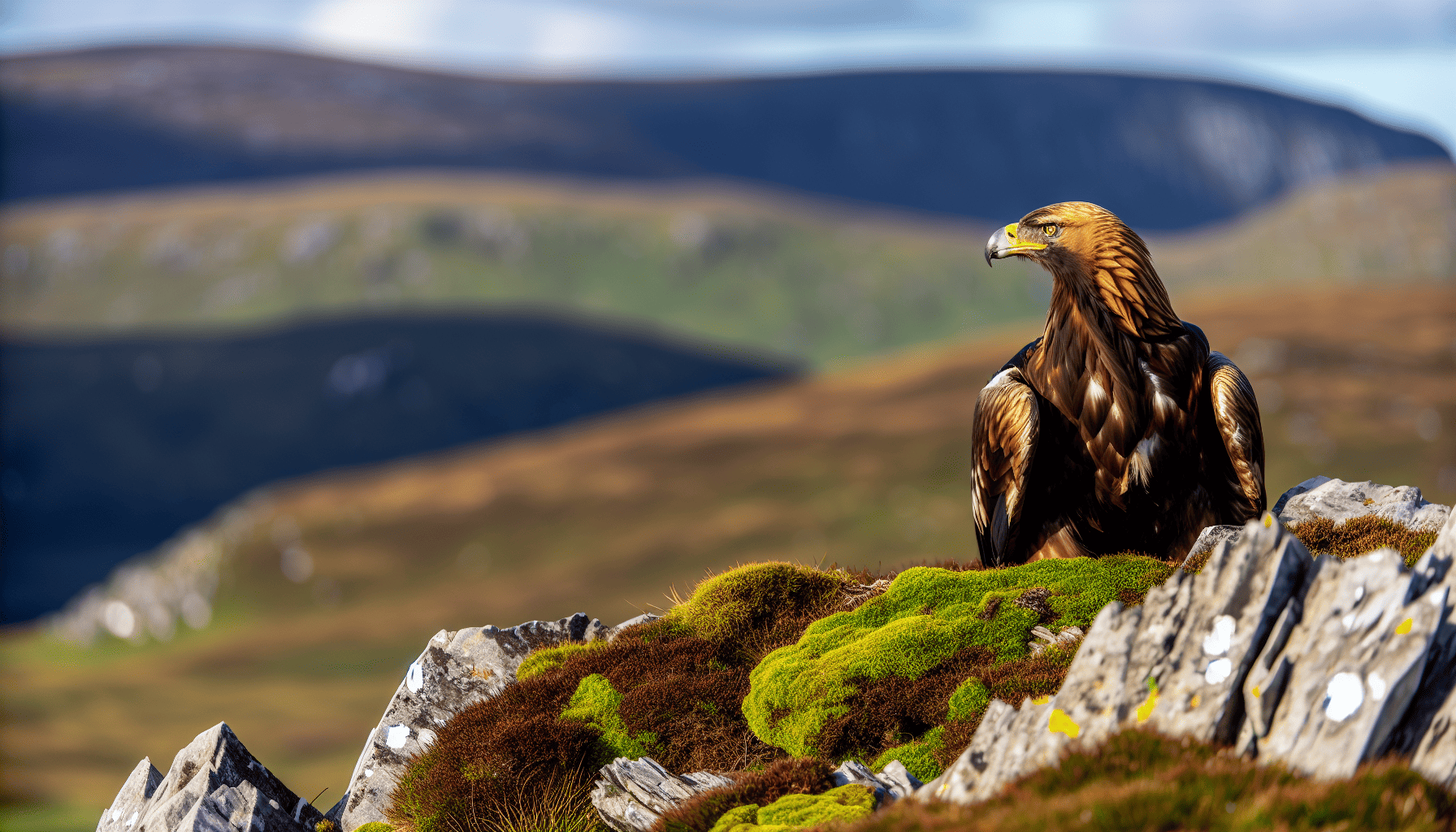
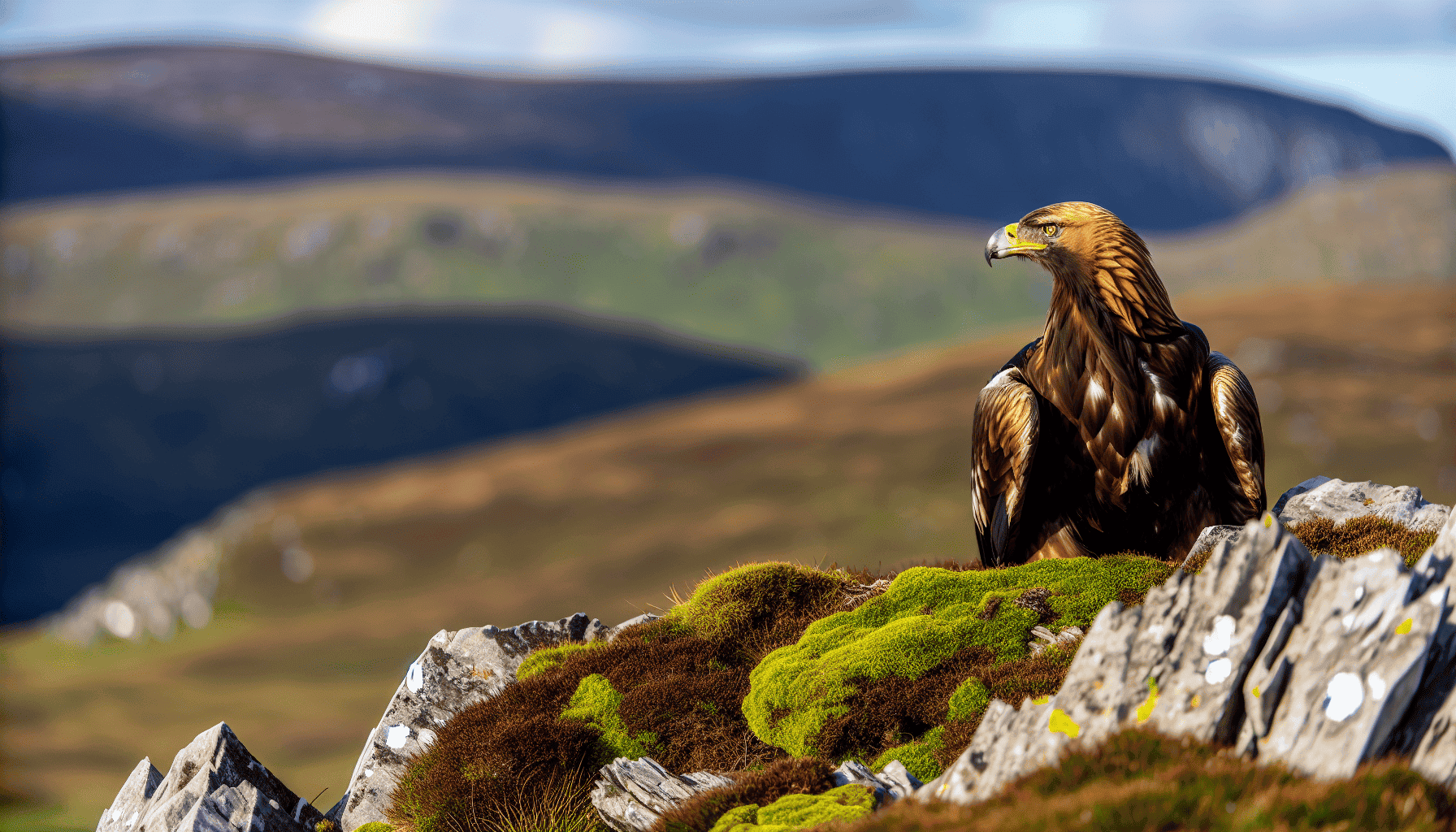
Golden Eagle - the second-largest bird of prey in Ireland, with a wingspan of around 2.2m, recovering through reintroduction efforts; found mainly in Donegal, Tyrone, Fermanagh, Derry, and Leitrim, occasionally as far south as north Kerry.
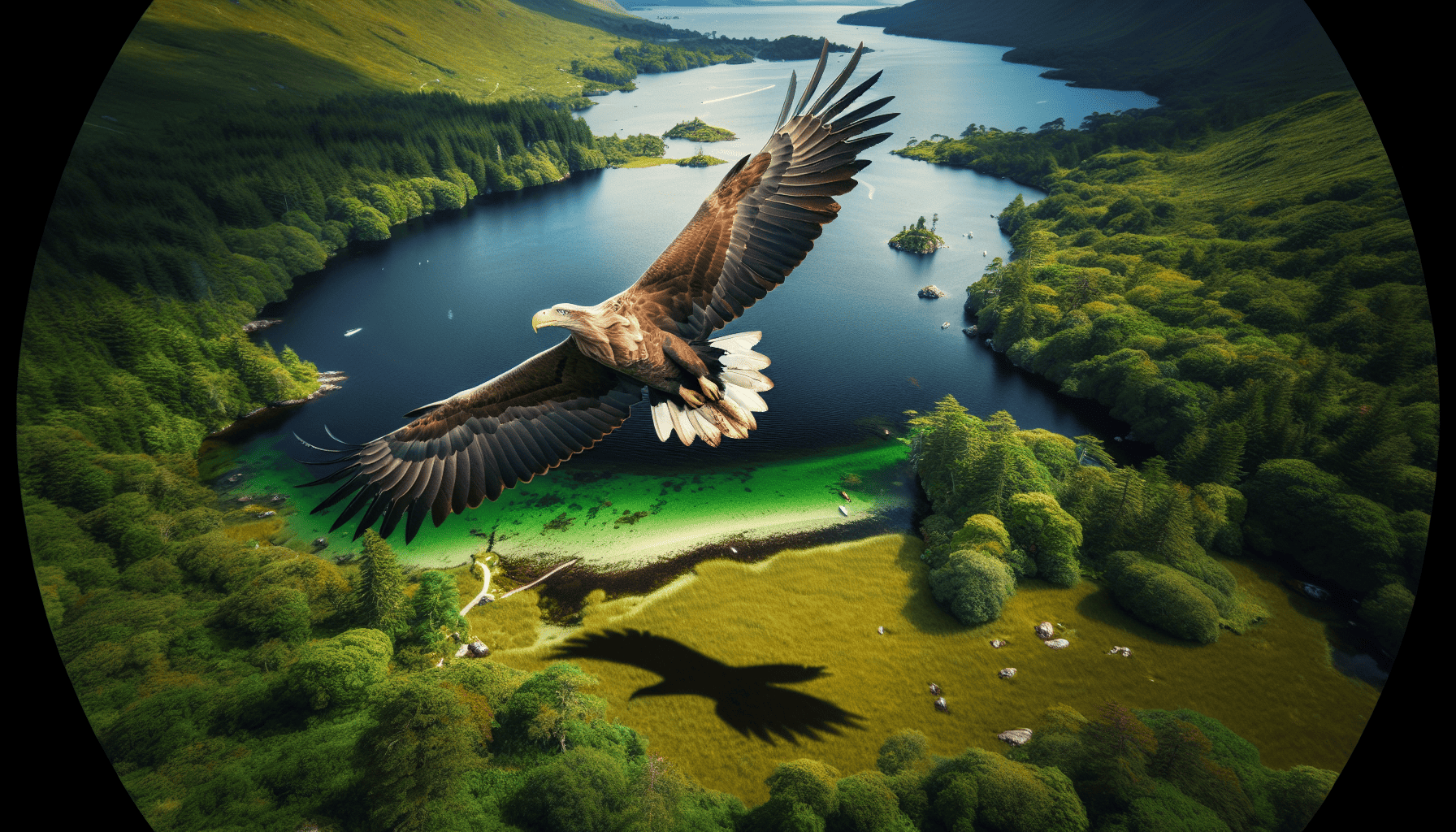
White-tailed Sea Eagle - reintroduced to Ireland in 2007, now the country’s second-largest bird of prey by some measures, nesting in trees near coasts, large lakes, and coastal islands. Diet: fish, water birds, and occasionally carrion.
Red Kite - extinct in Ireland before a reintroduction programme beginning in 2007; now established in Dublin, Down, and Wicklow.
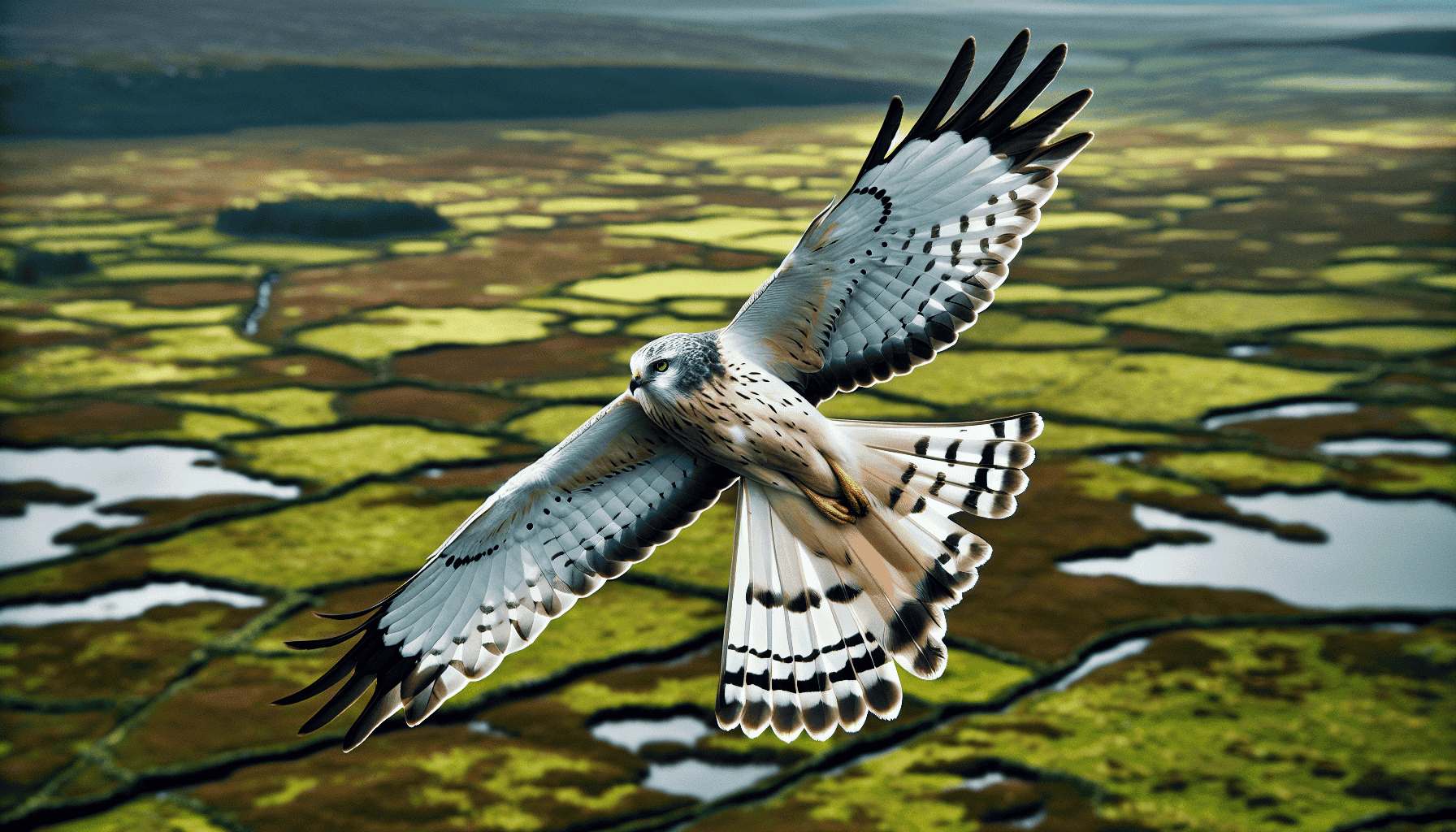
Hen Harrier - an upland/bog specialist, now rare due to habitat loss, found mainly in Laois, Tipperary, Cork, Clare, Limerick, Galway, Monaghan, and Cavan.
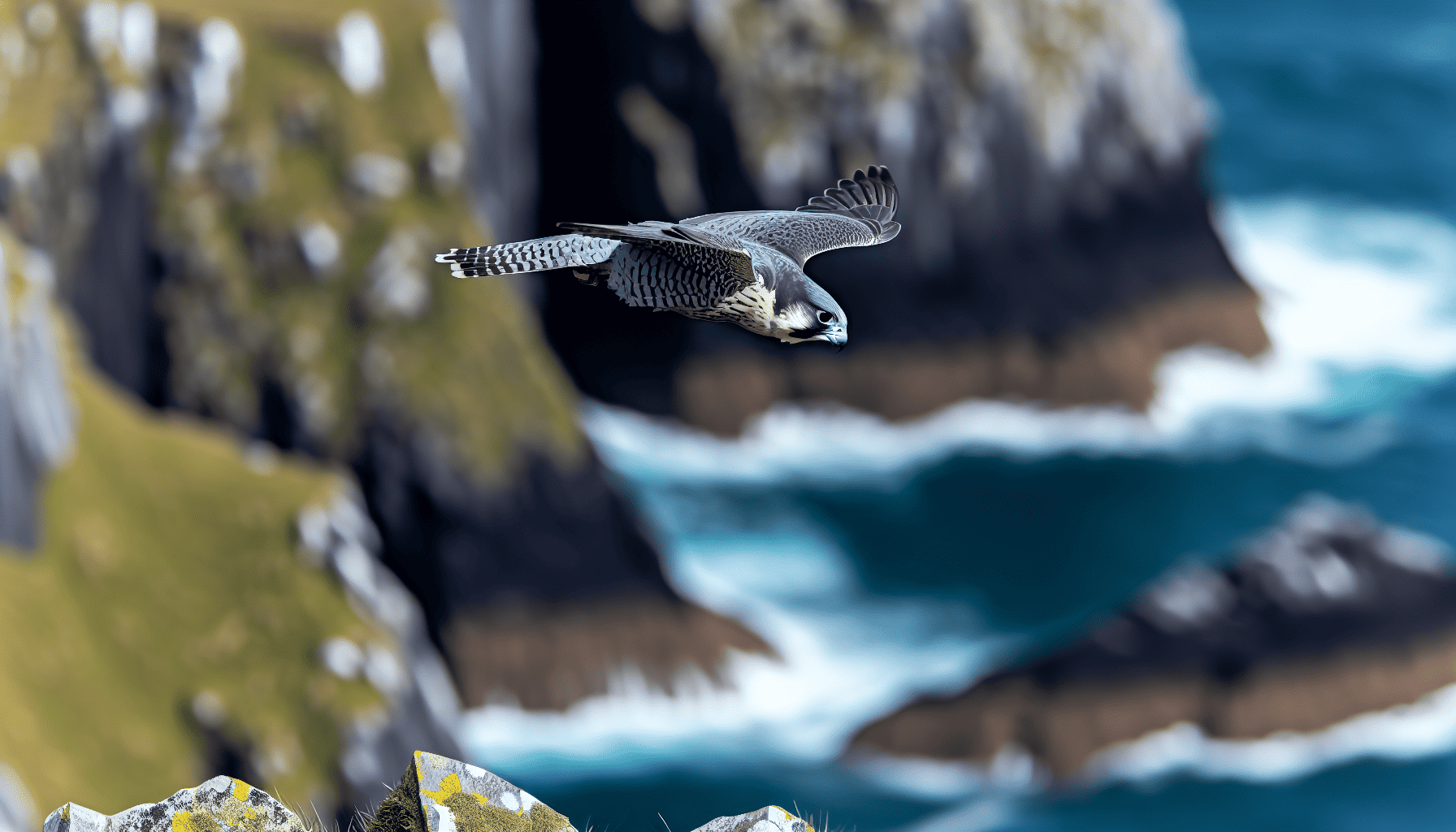
Peregrine Falcon - the fastest bird in the world, capable of diving at speeds reported over 320 km/h (200mph), hunting songbirds, waders, pigeons, and ducks; increasingly nests on tall buildings as well as natural cliffs.
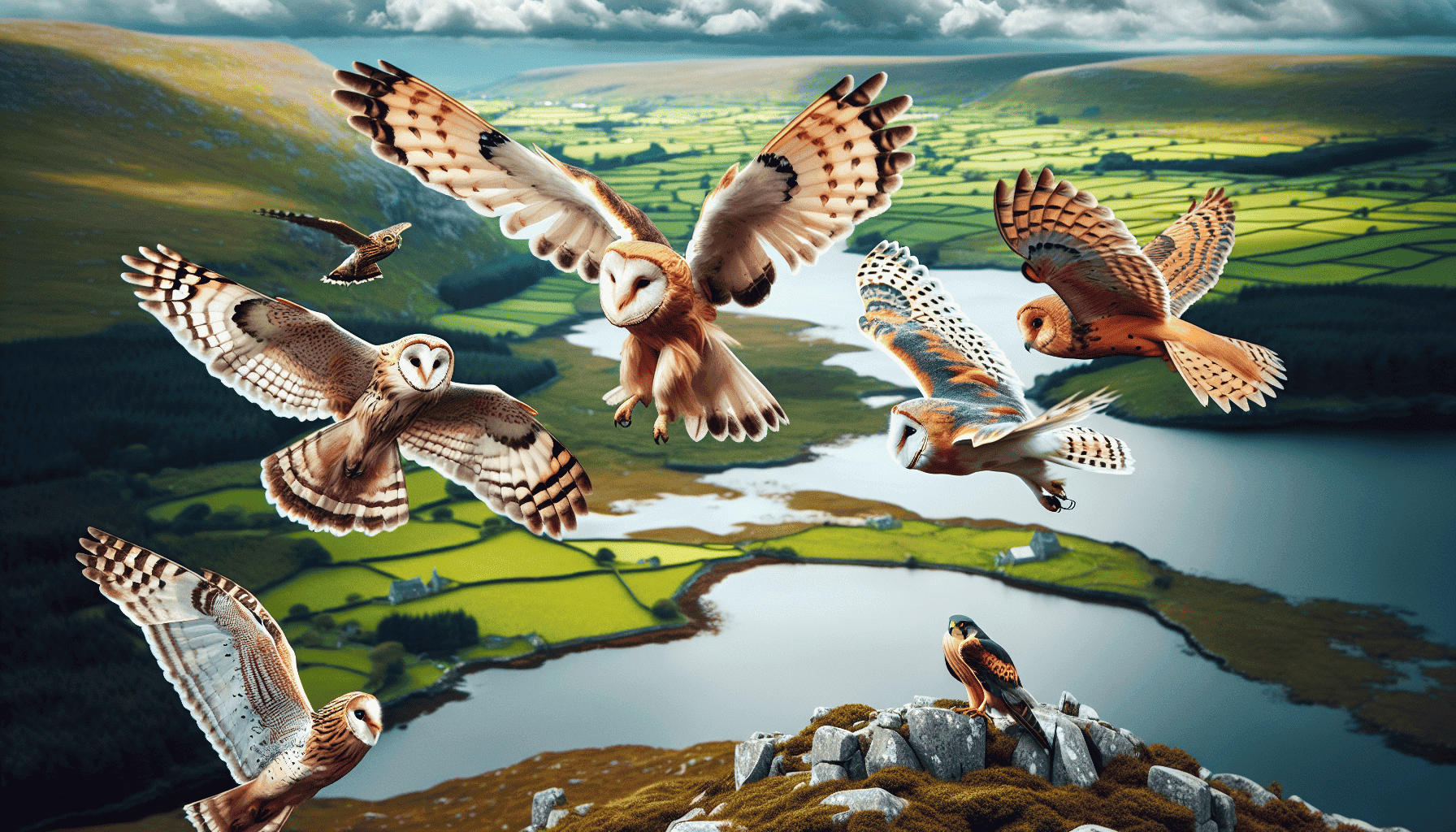
Barn Owl - a nocturnal rodent specialist with an estimated 400-500 pairs in Ireland, declining due to habitat loss.
Where to Look in Northern Ireland
The Mourne Mountains, Strangford Lough, the Sperrin Mountains, and Lough Neagh are commonly cited as good raptor-watching locations, covering everything from golden eagles and peregrines to hen harriers and ospreys.
Conservation
Habitat destruction, pollution, and illegal poisoning remain the main threats. Organisations including BirdWatch Ireland, the Irish Raptor Conservancy, and the Northern Ireland Raptor Study Group work on protection and monitoring. Ethical birdwatching guidance generally recommends keeping a safe distance (commonly cited as at least 25 yards) and avoiding disturbance near nests.
Frequently Asked Questions
What is the most common hawk in Ireland? The sparrowhawk.
What is the fastest bird in Ireland? The Peregrine Falcon.