
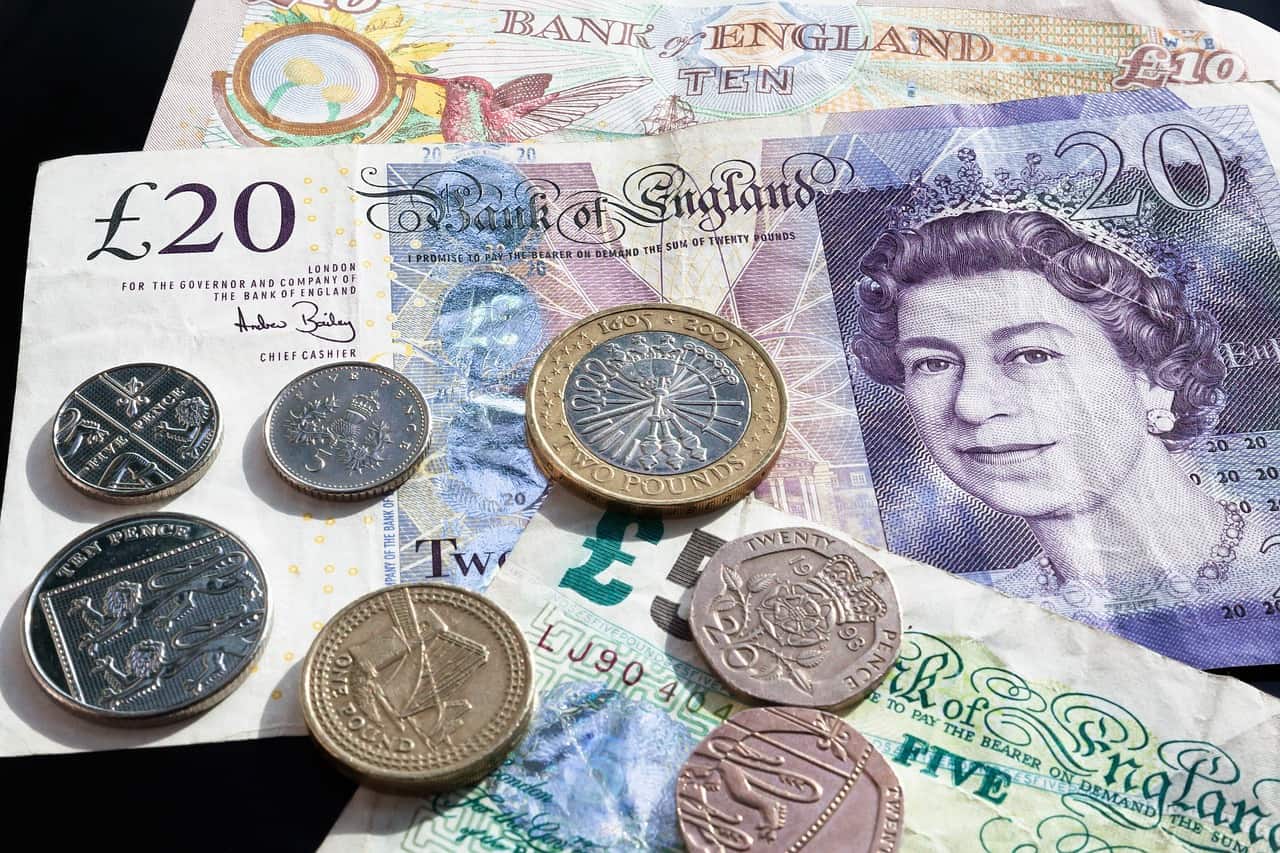
Northern Ireland uses pound sterling (£/GBP) as its currency - it doesn’t have a currency of its own, though several local banks issue their own sterling banknotes alongside those from the Bank of England.
Where to Exchange Currency
Currency exchange is available at banks, post offices, hotels, tourist offices, and dedicated Bureaux de Change across Northern Ireland. Bureaux de Change offer convenient, fast service but typically carry higher commissions and fees than banks.
Issuing Banks and Their Notes
The Bank of England issues sterling banknotes in four denominations: £5, £10, £20, and £50 (the £1 note was withdrawn from circulation in 1988, replaced entirely by the £1 coin, and the Bank of England has never issued a £100 note). Alongside these, several Northern Ireland retail banks - including Bank of Ireland, Danske Bank, and Ulster Bank - issue their own sterling banknotes, in denominations up to £100. These locally-issued notes are legal currency but not, technically, “legal tender” even within the UK - a distinction that rarely matters in practice, since they’re widely accepted.
Some older notes have been withdrawn entirely: paper £50 and £100 notes previously issued by Ulster Bank are no longer valid, and First Trust Bank notes have likewise been phased out and superseded by other issuers’ notes (exact withdrawal dates weren’t independently re-verified this pass - check with a bank if you’re holding older notes). Ireland’s own currency, the Irish pound (punt), was replaced by the euro when it joined the eurozone; euro notes and coins are used across the border in the Republic of Ireland but aren’t generally usable in Northern Ireland.
Unique Features of Local Banknotes
Northern Ireland’s locally-issued banknotes often showcase regional landmarks, wildlife, and cultural heritage - from rural landscapes and native species to historic sites and notable local achievements - alongside the security features common to all sterling notes designed to prevent forgery. Increasingly, these are printed on more durable, secure polymer material rather than paper.
Preparing Your Finances for Travel
Bring pound sterling for use in Northern Ireland - euros aren’t generally accepted, except potentially in some specific border-area businesses. Check a live exchange rate close to your travel dates rather than relying on a fixed figure, since rates move constantly. Credit and debit cards, particularly Visa and Mastercard, are widely accepted; check with your card provider about any foreign transaction fees before you travel.
Protecting Against Loss and Theft
- Use a money belt or similar to keep cash out of sight rather than carrying it loose.
- Avoid carrying large sums of cash.
- Stay alert to common travel scams.
- If your card is lost or stolen, contact your card provider immediately to block it.
- Report theft of valuables to the Police Service of Northern Ireland promptly, with as full a description as possible.
Frequently Asked Questions
Does Northern Ireland have its own currency? No - it’s part of the United Kingdom and uses pound sterling (£). Travellers moving between Northern Ireland and the Republic of Ireland should carry both sterling and euro.
Can I use English money in Northern Ireland? Yes, Bank of England banknotes are accepted throughout Northern Ireland.
Are Northern Ireland banknotes accepted in England? In practice, yes, though shops there aren’t legally obliged to accept them - most do without issue.
What’s the difference between polymer and paper notes? Polymer notes are more durable, harder to counterfeit, and more environmentally friendly than the paper notes they’re gradually replacing.