Introduction to the British Isles
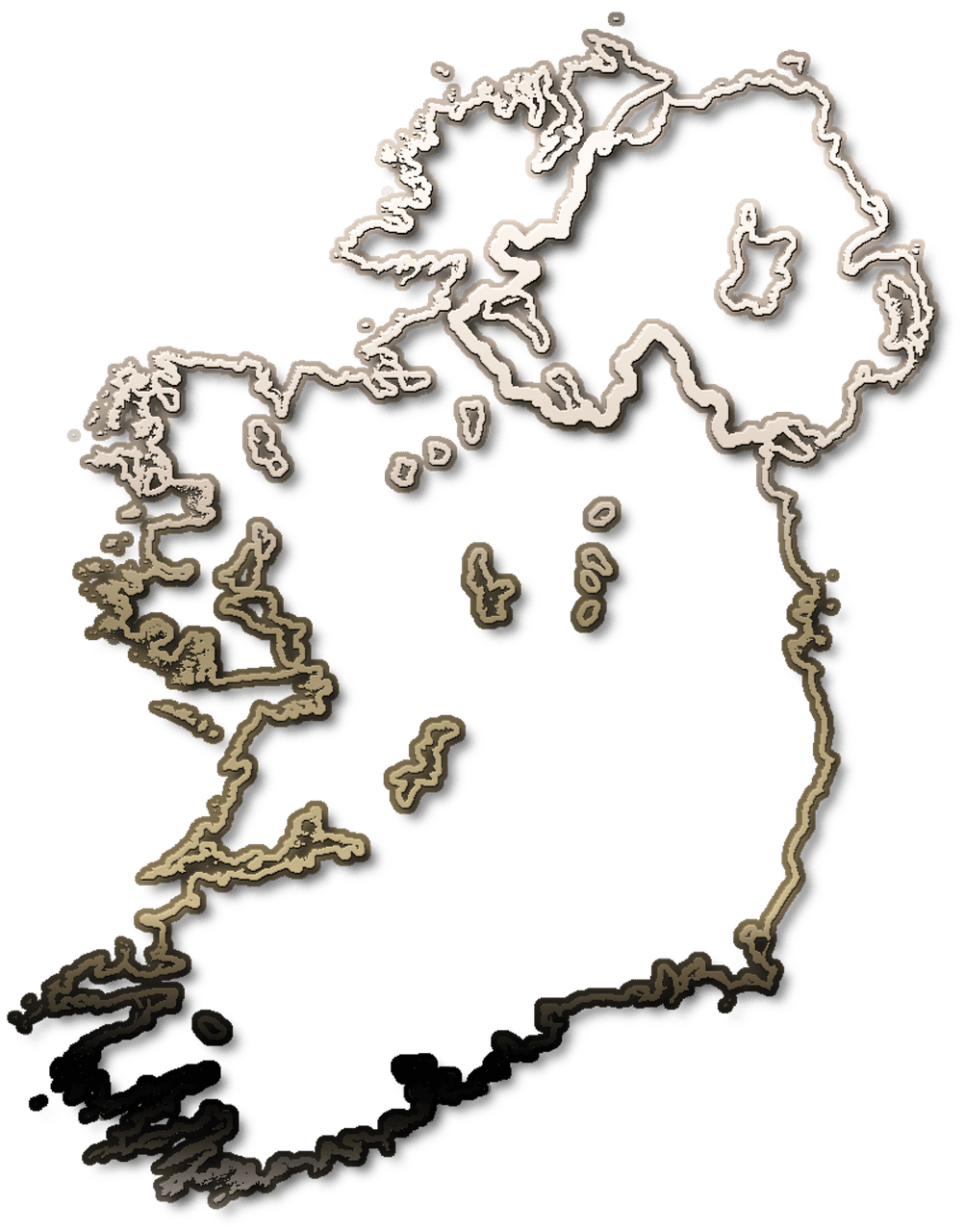
“British Isles” is a geographical term for the group of islands off northwest France, including the two largest - Great Britain and Ireland - plus thousands of smaller ones like the Isle of Man, the Hebrides, and the Channel Islands. It’s a geographical term, not a political one: the United Kingdom is a political entity made up of England, Scotland, Wales, and Northern Ireland, while “British Isles” covers the whole island of Ireland too, both the Republic and Northern Ireland. The term is genuinely contested - the Irish government doesn’t officially recognise it, and the Irish Embassy in London discourages its use, given its association with British rule. “Britain and Ireland” is a common, less loaded alternative.
Is Ireland Part of the UK?
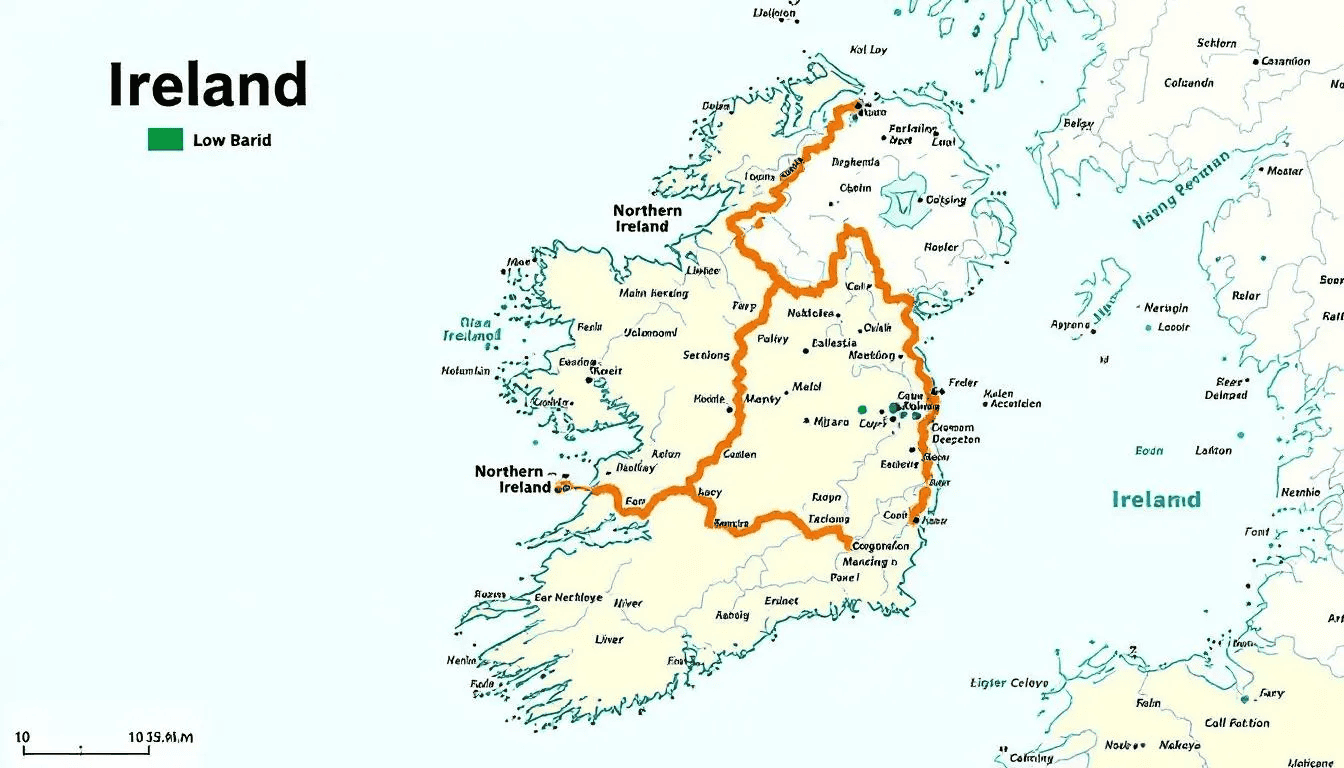
The island of Ireland is split into two separate countries:
- The Republic of Ireland - an independent, sovereign country.
- Northern Ireland - part of the United Kingdom.
They use different currencies (the Republic uses the Euro; Northern Ireland uses Pound Sterling) and have different governments and legal systems. The Republic of Ireland is not part of the UK - it’s an entirely independent nation with no sovereign ties to the UK, Great Britain, or England. Northern Ireland is part of the UK.
Why the Confusion?
Most people use “Ireland” to mean the Republic of Ireland - because “Ireland” is actually the official name of that state. “Republic of Ireland” is a legal description, adopted in 1949, not the official name. Article 4 of the Constitution of Ireland states: “The name of the State is Éire, or, in the English language, Ireland.” So “Ireland” is the official name of both the geographical island and the sovereign nation - a genuine, real source of ambiguity.
There’s also a real, ongoing political dimension: partition in 1921 remains contested, with many in Ireland (particularly nationalist communities in Northern Ireland) supporting eventual reunification, and others (particularly unionist communities) wishing to remain part of the UK. Identity in Northern Ireland doesn’t map neatly onto geography - some residents identify as British, some as Irish, some as both, and many hold Irish passports regardless of where in Northern Ireland they were born.
When Did Ireland Leave the UK?
Ireland left the United Kingdom on 6 December 1922, becoming the Irish Free State - a self-governing dominion, no longer part of the UK. Northern Ireland had been created as a separate entity the year before, in 1921. The UK renamed itself “the United Kingdom of Great Britain and Northern Ireland” in 1927 to reflect the change.
Was Ireland Ever Part of Great Britain?
No. “Great Britain” refers specifically to the island containing England, Scotland, and Wales - a separate island from Ireland. The Kingdom of Great Britain (1707-1801) never included Ireland; the Kingdom of Great Britain and the Kingdom of Ireland instead shared a legislative union, formalised by the Act of Union 1800 - Ireland kept its own parliament until then.
A Timeline
- 1169 - Anglo-Norman invasion of Ireland.
- 1541 - Henry VIII declares himself King of Ireland, upgrading it from a lordship to a kingdom.
- 1606 - The Ulster Plantation begins, with land confiscated from native Irish and granted to British and Scottish settlers.
- 1798 - The Irish Rebellion is suppressed.
- 1801 - The United Kingdom of Great Britain and Ireland is formed under the Acts of Union.
- 1840s - The Great Famine devastates Ireland’s population.
- 1916 - The Easter Rising is defeated by British forces.
- 1919-1921 - The Irish War of Independence, ending in a truce.
- 1921 - Partition: the island splits into the Irish Free State and Northern Ireland.
- 1922-1923 - The Irish Civil War.
- 1927 - The UK renames itself “the United Kingdom of Great Britain and Northern Ireland.”
- 1937 - A new constitution renames the Irish Free State simply “Ireland.”
- 1949 - Ireland leaves the British Commonwealth, declares itself a republic, and adopts “Republic of Ireland” as its legal description.
Demographics
The island of Ireland’s combined population is currently around 7.0-7.3 million - the majority in the Republic of Ireland (roughly 5.1-5.4 million), with Northern Ireland at around 1.9 million. Great Britain (England, Scotland, and Wales combined) has around 67 million residents.
Frequently Asked Questions
How long was Ireland part of the United Kingdom? 121 years, from the Acts of Union in 1801 to independence in 1922 - though England had exerted control over parts of Ireland long before that.
Is Dublin part of the United Kingdom? No - Dublin is the capital of the independent Republic of Ireland.
Is Belfast part of the United Kingdom? Yes - Belfast is the capital of Northern Ireland, part of the UK.
Is Northern Ireland part of Great Britain? No - “Great Britain” refers only to the island containing England, Wales, and Scotland.
Is Ireland in the British Isles? Geographically, under the traditional (and contested) use of the term, yes. The Irish government doesn’t officially recognise the term, though, so “Britain and Ireland” is a safer, less loaded alternative.
In conclusion: no, Ireland (the Republic) is not part of the UK - it’s a fully sovereign nation. Northern Ireland, a separate part of the island, is part of the United Kingdom.