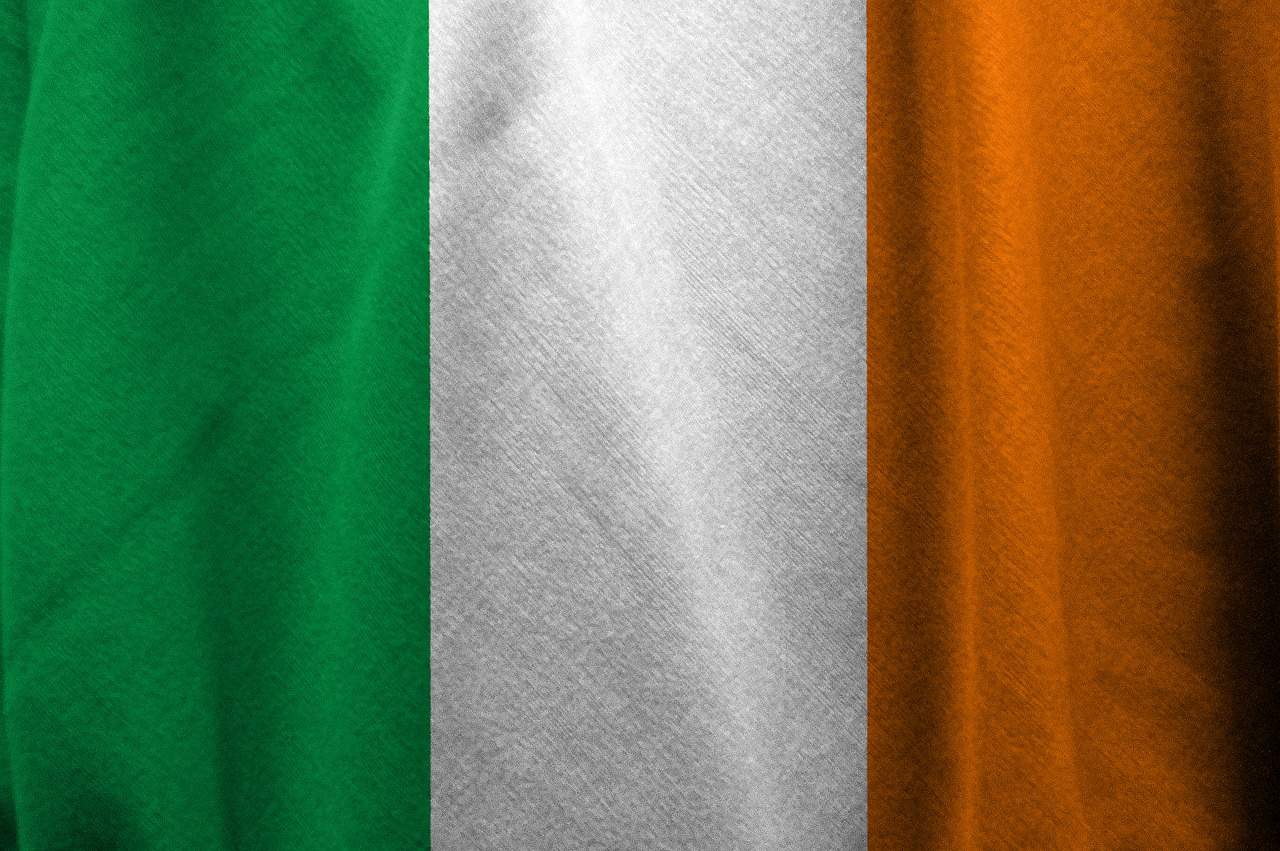
The Irish tricolour - green, white, and orange - is one of the world’s most recognisable national flags, and its symbolism runs deeper than its striking design.
Origins
The flag was first unveiled in 1848 by Irish nationalist Thomas Francis Meagher, inspired by the tricolour flown during the French Revolution; it was presented to Meagher and his fellow Young Irelanders by French women sympathetic to the Irish cause. Some early 1848 versions of the flag placed orange nearest the flagstaff, rather than the green-at-the-hoist arrangement standard today.
Meagher was explicit about the flag’s intended meaning: the white centre stripe, he said, signified “a lasting truce between orange and green” - hoping the Irish Catholic and Irish Protestant traditions might one day be “clasped in generous and heroic brotherhood.”
Rise to Recognition
Though first flown in 1848, the tricolour didn’t become a widely recognised symbol of Irish independence until the 1916 Easter Rising, when it flew over the General Post Office in Dublin during the rebel occupation. It has since become Ireland’s official national flag.
Symbolism
The traditional reading of the flag’s colours: green for the Gaelic and Catholic nationalist tradition, orange for the Protestant tradition (a reference to William of Orange, whose victory at the 1690 Battle of the Boyne remains significant to Ulster Protestant identity), and white for peace between the two.
In Modern Culture
The tricolour remains ubiquitous at Irish sporting events, St Patrick’s Day parades, political rallies, and in art and fashion worldwide. Some all-Ireland sporting bodies - including Irish Rugby and Irish Hockey, which field teams drawing from both the Republic and Northern Ireland - use a separate green flag bearing the Ulster provincial emblem, intended as a more neutral symbol of all-island representation.
St Patrick’s Day
The flag is a fixture of St Patrick’s Day celebrations worldwide - carried in parades alongside other national symbols like the harp and shamrock, and a common motif in seasonal decorations, from tricolour-themed centrepieces to green-white-and-orange table settings.