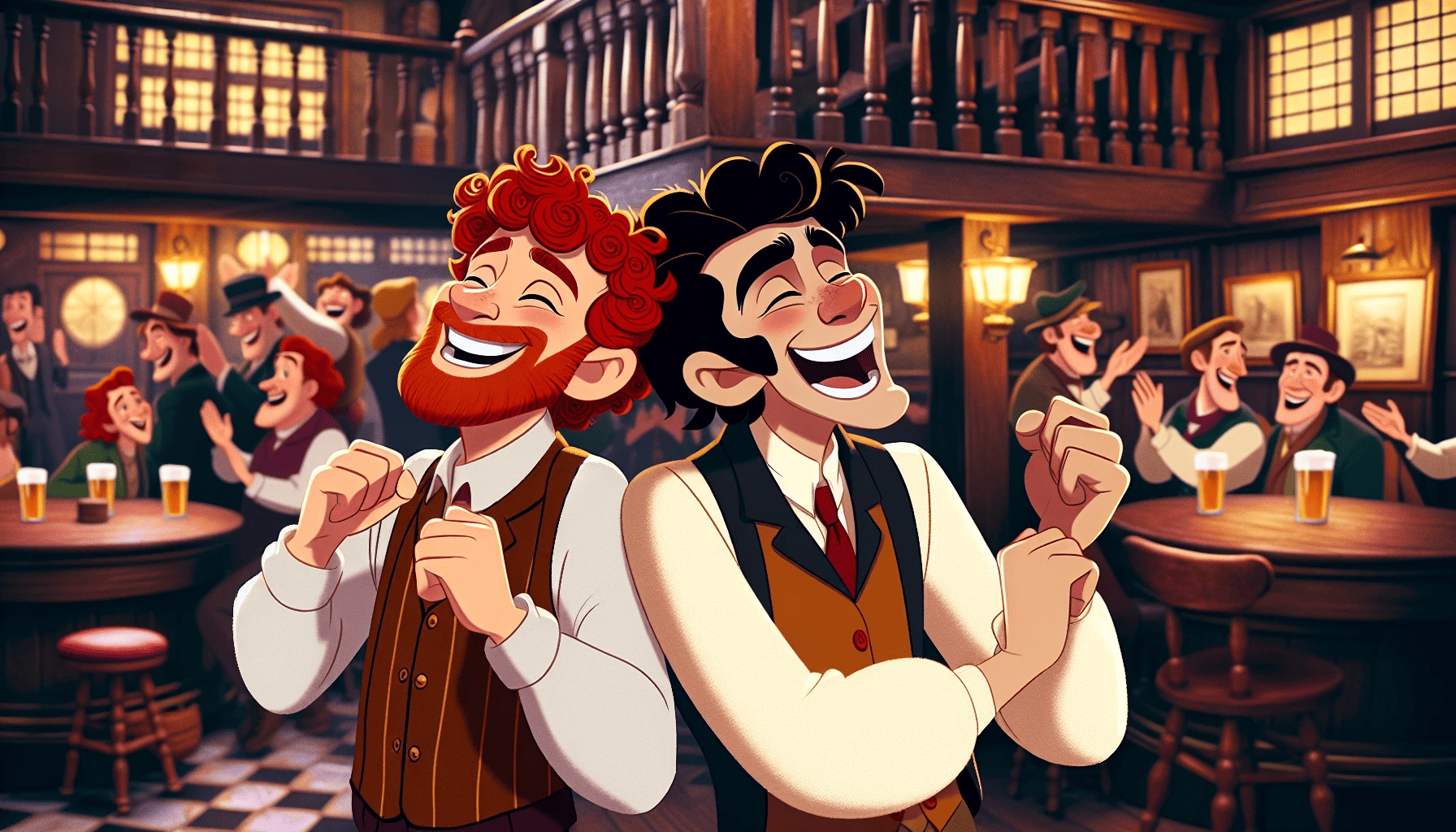

Irish insults are rarely meant to wound - they’re closer to a national sport, a way of showing affection through wit rather than genuine hostility.
The Gentle Jibe: “Eejit”
A dialectal spelling of “idiot,” used endearingly among friends for someone acting silly rather than as a serious insult. Not considered overly offensive in everyday use.
The Sly Dig: “Cute Hoor”

Describes someone crafty or clever, often with a hint of admiration - someone who knows how to get their way. The exact origin of the phrase isn’t settled, but its meaning (cunning, sometimes with a positive connotation) is well understood.
“Thick” and Its Double Meaning
Can mean either foolish or angry-looking depending on context - “a thick head” can imply stubbornness as much as slowness.
Gendered and General Gibes

“Wagon” (used for an annoying woman), “Gobshite” (someone talking nonsense or missing the facts), “Dry Shite” and “Dope” (both describing someone dull or a bit slow) round out the everyday vocabulary of Irish teasing.
“Feck”: More Than a Swear Word
“Feck” functions as a milder cousin of its English counterpart - an expletive or an expression of surprise, tolerated in contexts where stronger language wouldn’t be. Its exact etymology is disputed (a 15th-century Scottish variant of “effect,” or derived from the Irish “féach,” meaning “see,” are both proposed, without settled agreement).
Using Irish Insults Well


The rule of thumb: keep it lighthearted, gauge the room, and remember these terms are usually a sign of affection or inclusion rather than genuine hostility - being on the receiving end of a cheeky Irish insult is, more often than not, a sign you’ve been welcomed in.
Frequently Asked Questions
What is a common Irish swear word? “Feck” is the most commonly heard - a softer alternative to its English-language equivalent.
What is a “dryshite”? Slang for someone dull or boring.
What is the Irish word for “curse”? “Mallacht,” derived from the Latin maledicti (“curse, condemnation”).