Editorial note, not a fact dispute: the original version of this page ran over 21,000 characters and leaned heavily into Scotland-specific detail with only a loose connection to a Causeway Coast travel site. Trimmed here to the material most relevant to visitors interested in Ireland’s own Gaelic/Irish-language heritage - worth a real decision on scope before publishing rather than an assumption either way.
Gaelic is the Celtic language of the Gaels, integral to both Ireland’s and Scotland’s identity - part of the Goidelic branch of the Celtic languages, alongside Irish (Gaeilge) and Manx (Gaelg).
Origins
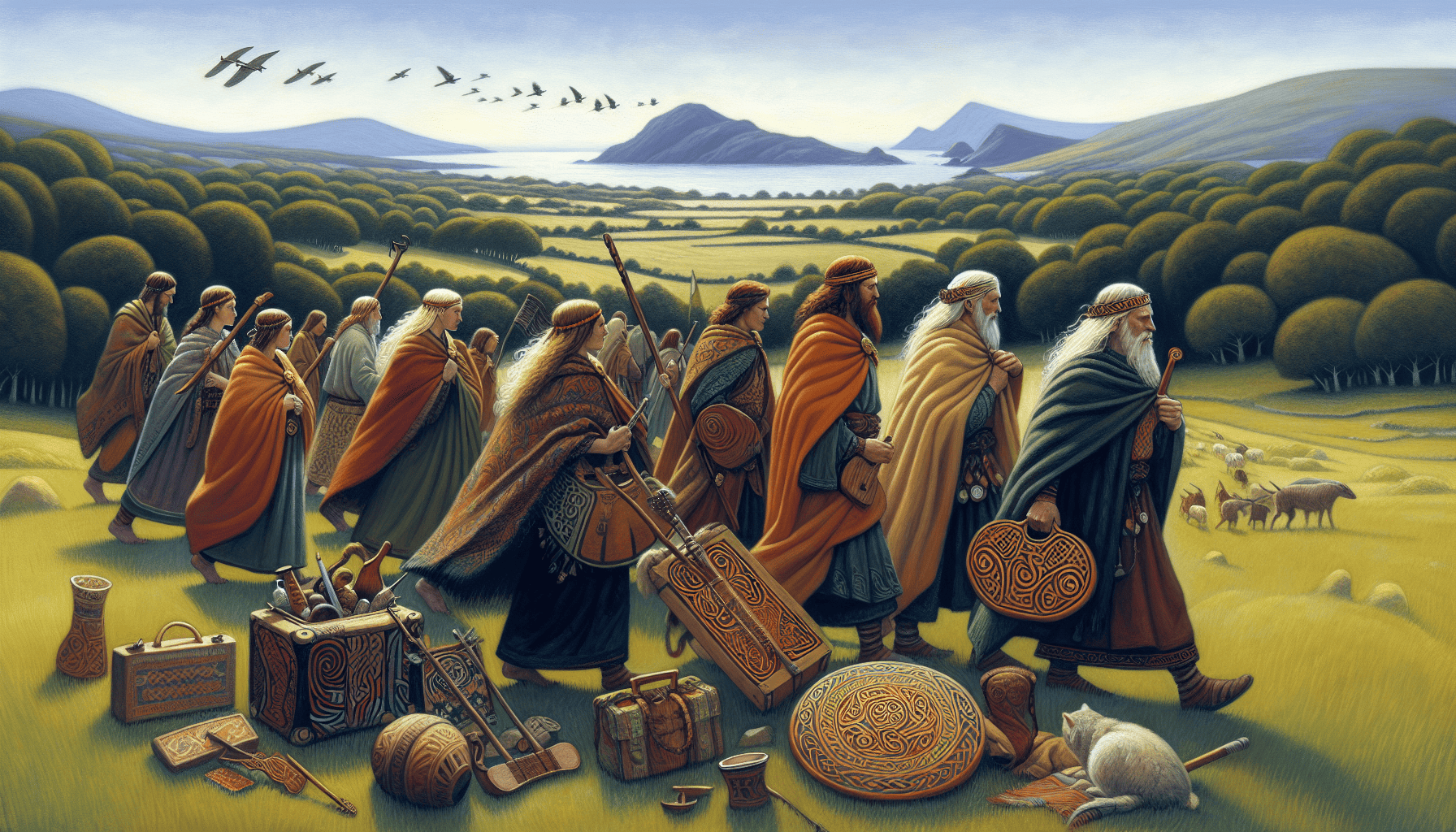
Gaelic descends from Proto-Celtic, part of the wider Indo-European family. The Gaels, originating in north-eastern Ulster, brought the language to Scotland’s Dál Riata over 1,500 years ago, establishing a Gaelic-speaking community that would go on to shape Highland and Hebridean culture for centuries.
Irish and Scottish Gaelic: Distinct Yet Connected
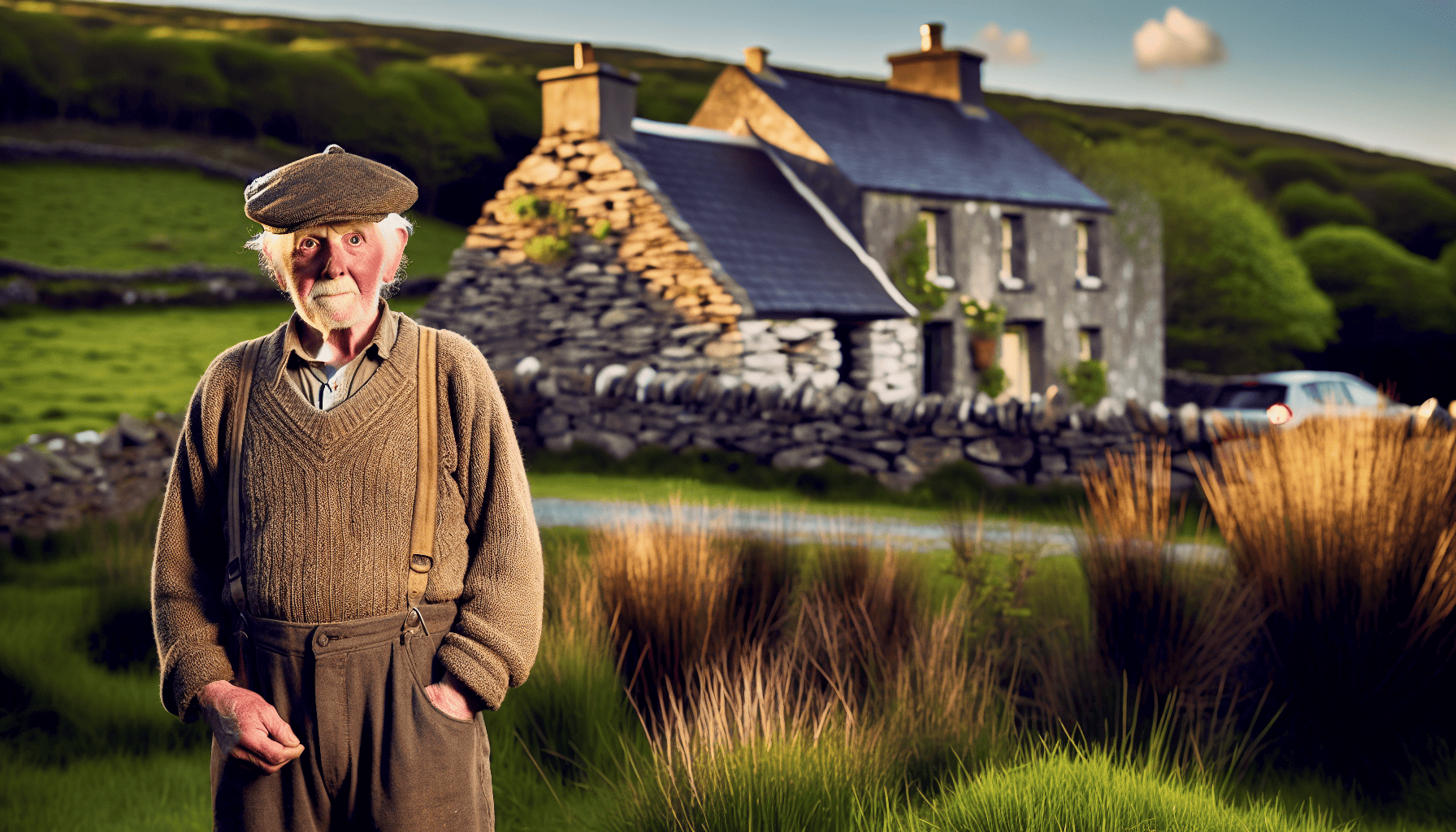
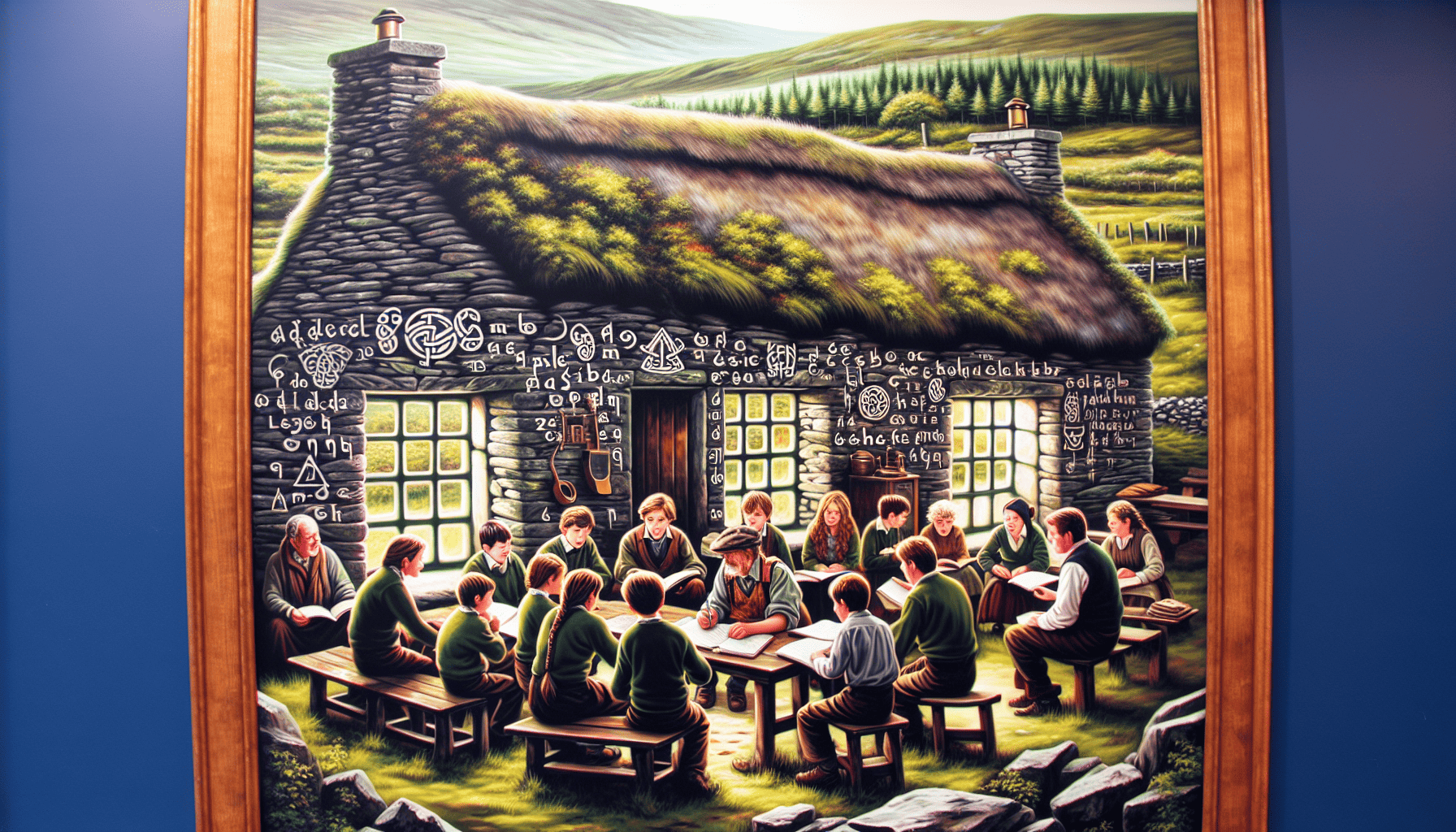
Irish and Scottish Gaelic share a common ancestor, Proto-Goidelic, and evolved into distinct but related languages - similar enough that some mutual intelligibility exists, though it isn’t guaranteed. Irish Gaelic (Gaeilge) traces its written form back to the 5th century, with roughly 1.76 million people in Ireland reporting some proficiency. Scottish Gaelic, thought to have arrived from Ireland around the 10th century, has around 58,000 speakers today and is classified by UNESCO as “definitely endangered.”
Gaeltacht Regions
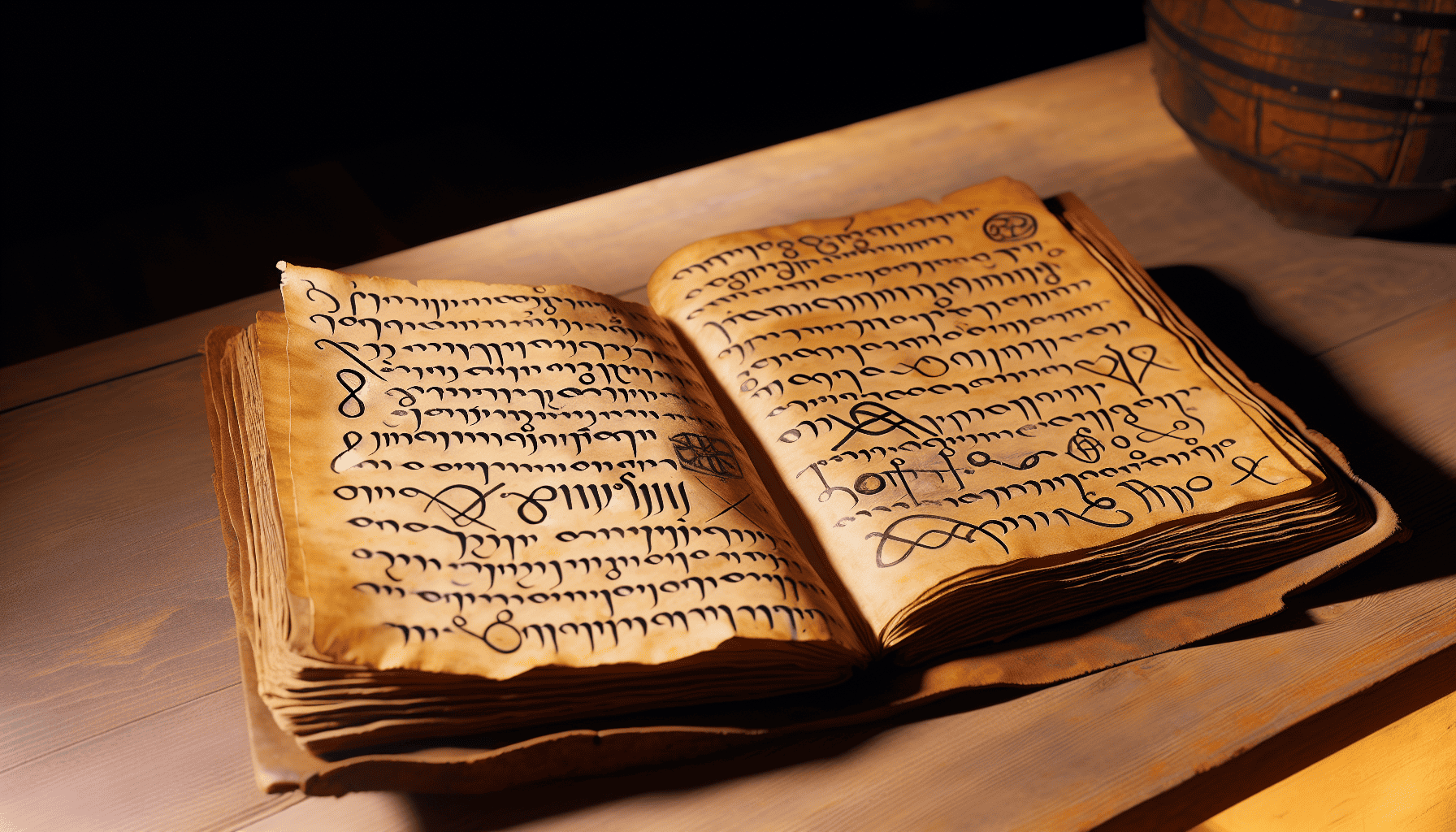
Ireland’s Gaeltacht regions - parts of Donegal, Mayo, Galway, Kerry, Cork, Meath, and Waterford - were formally designated during the Irish Free State’s early years in the 1920s, as areas where Irish remained the primary spoken language. Around 2% of Ireland’s population lives in these regions today, supported by ongoing preservation programmes.
Gaelic’s Influence on English
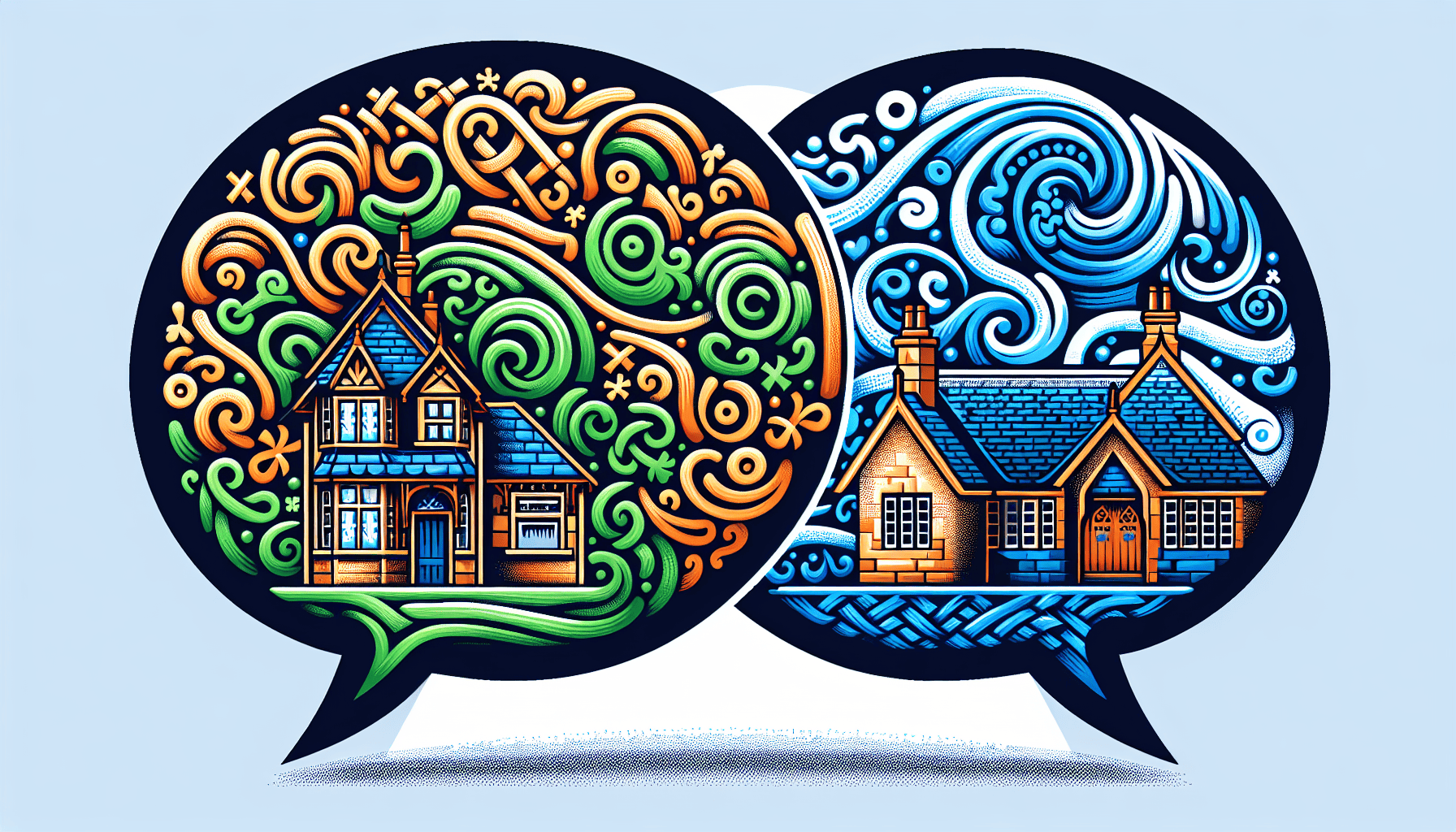
Irish Gaelic has shaped Hiberno-English (Irish English) in real, everyday ways - grammatical structures and vocabulary borrowed directly from Irish are common in Northern Ireland and across the island. Words like bate, gargle, gas, and aul fella have Irish-language roots. Scots-English, similarly, carries Gaelic loanwords like bothy, caber, machair, sporran, and whisky.
Frequently Asked Questions
Is Gaelic Irish or Scottish? “Gaelic” on its own usually refers to Scottish Gaelic; in Ireland, the language is simply called Irish or Gaeilge.
What nationality is Gaelic? It’s the traditional language of Ireland and Scotland, part of the Goidelic branch of the Indo-European language family.
What’s the difference between Celtic and Gaelic? Gaelic refers to one specific branch of the Celtic languages and cultures - the languages descended from it include modern Irish, Scottish Gaelic, and Manx. “Celtic” is the broader family, which also includes Welsh, Cornish, and Breton.