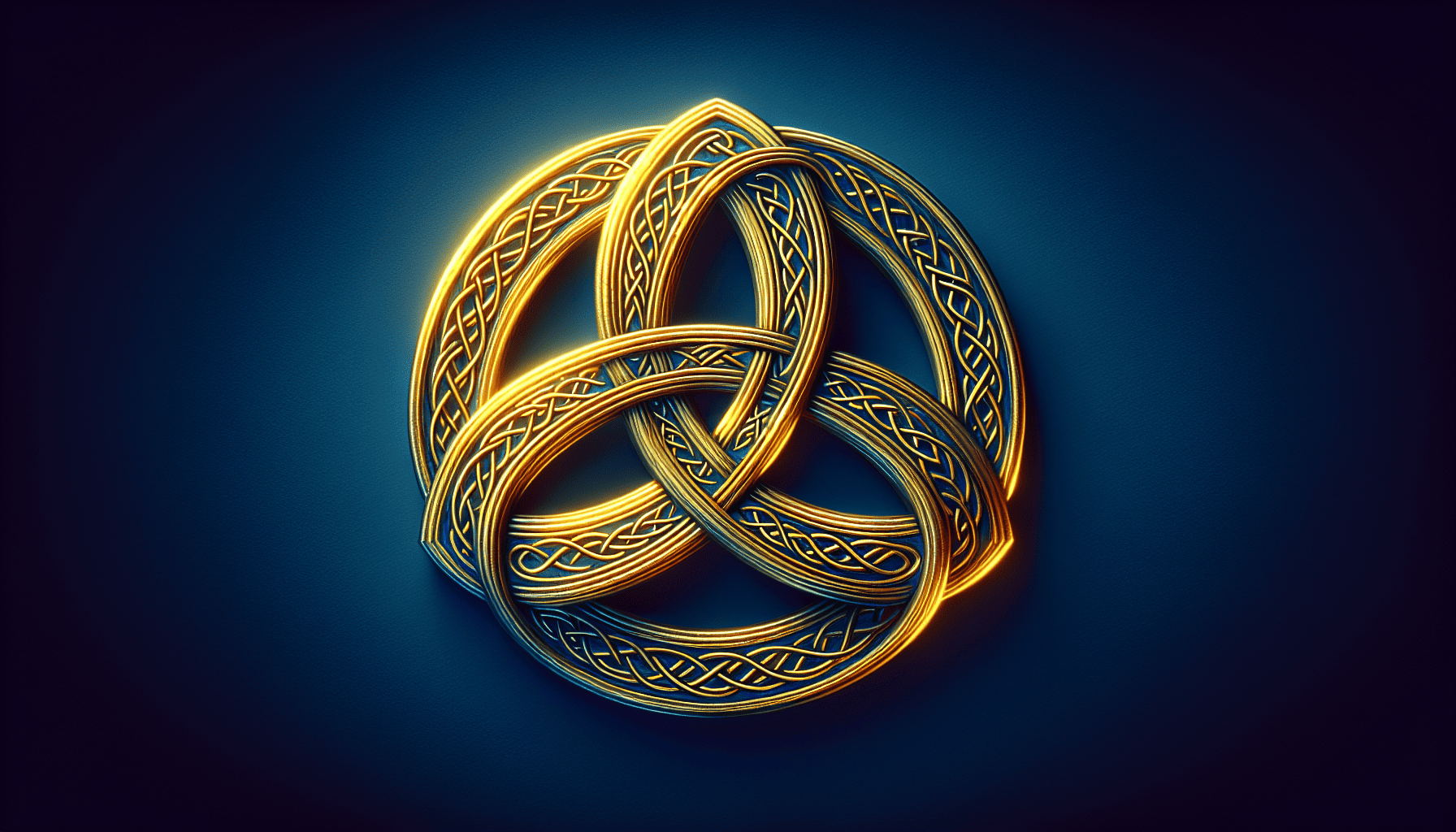
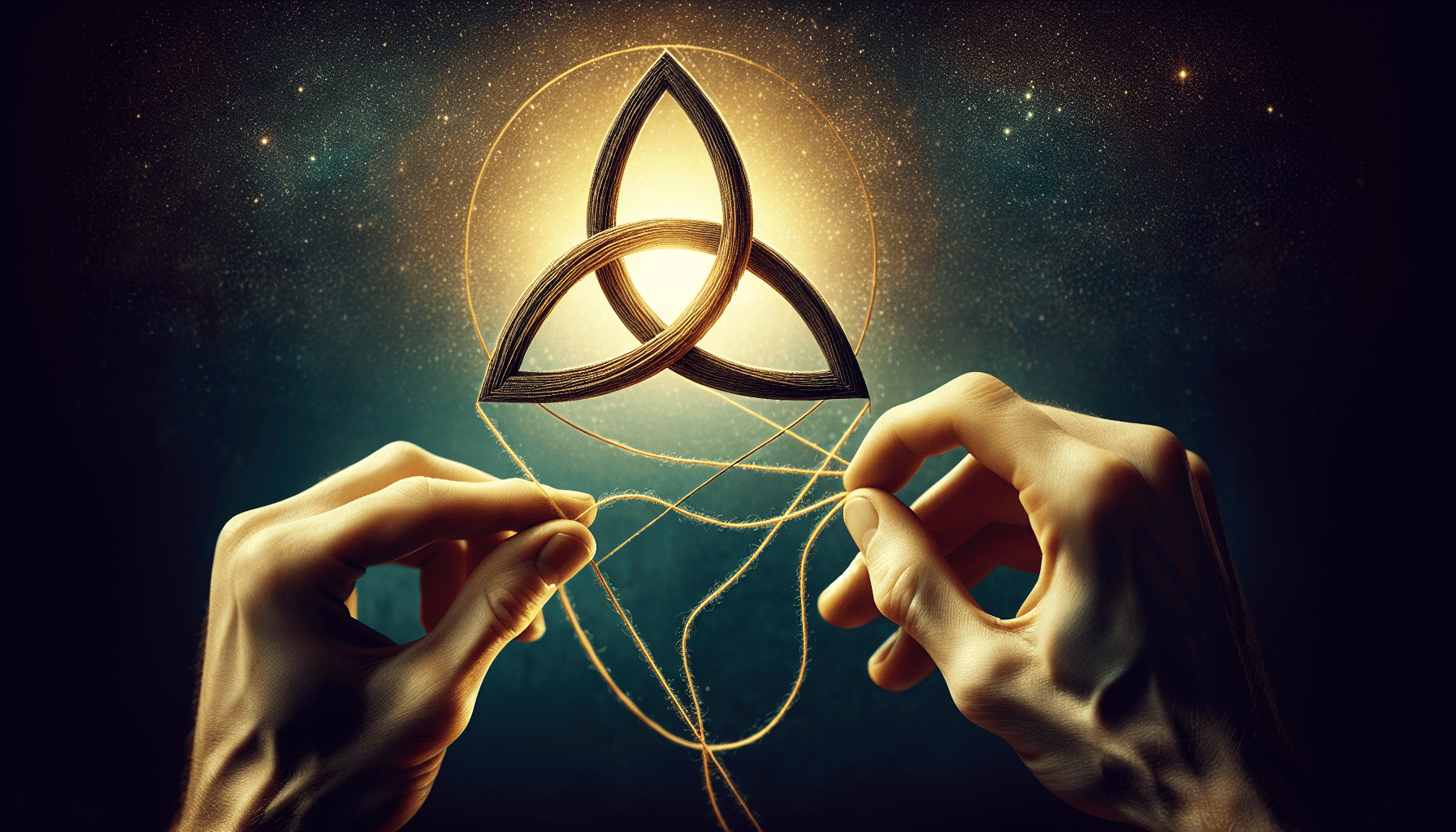
The triquetra - three interlaced arcs forming a single continuous shape - is one of the best-known symbols in Celtic art. It’s often called “ancient Celtic,” but that overstates the case: the symbol is genuinely older than the Celts who made it famous, and wasn’t originally theirs at all.
Where It Actually Came From
The triquetra’s true origin is unknown, but the earliest confirmed appearances are pre-Celtic - on ceramics and coins from Greece, Anatolia, and Persia around the 4th century BCE. It’s also been found on Northern European runestones and ancient Germanic coins. Some have suggested a Proto-Indo-European origin, though it’s more likely the motif reached Greece from further east.
It wasn’t until the 8th century AD that the triquetra became widespread among the Celts in Ireland and Britain. That’s when it reached its real high point in Insular Celtic art, through the early Middle Ages (roughly 300-900 CE) - most famously in illuminated manuscripts like the Book of Kells, where triquetra knots decorate the sacred text. This is the era the symbol is really associated with, even though it predates it by roughly a thousand years.
Christian Reinterpretation
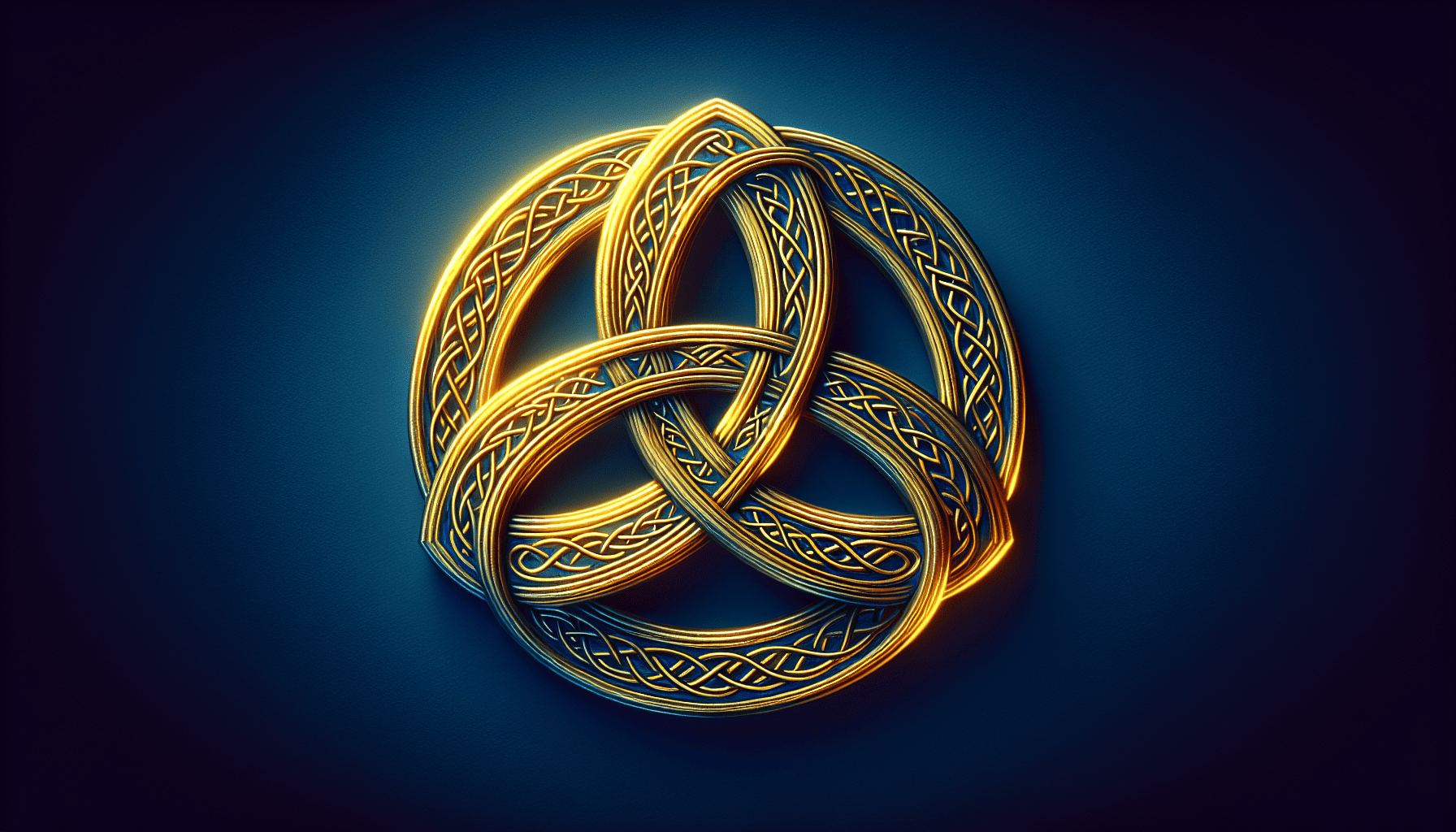
When Christianity took hold in Ireland, many existing pagan symbols were reinterpreted to fit the new religion, and the triquetra was one of them. Irish Christians took the three interlocking arcs - which had represented concepts like body, mind, and spirit, or strength, love, and unity in earlier usage - and reused them to represent the Holy Trinity: Father, Son, and Holy Spirit. The same symbol has since held meaning in Paganism, Wicca, and Christianity alike - a genuinely versatile piece of symbolism, not tied to one tradition.
The Power of Three
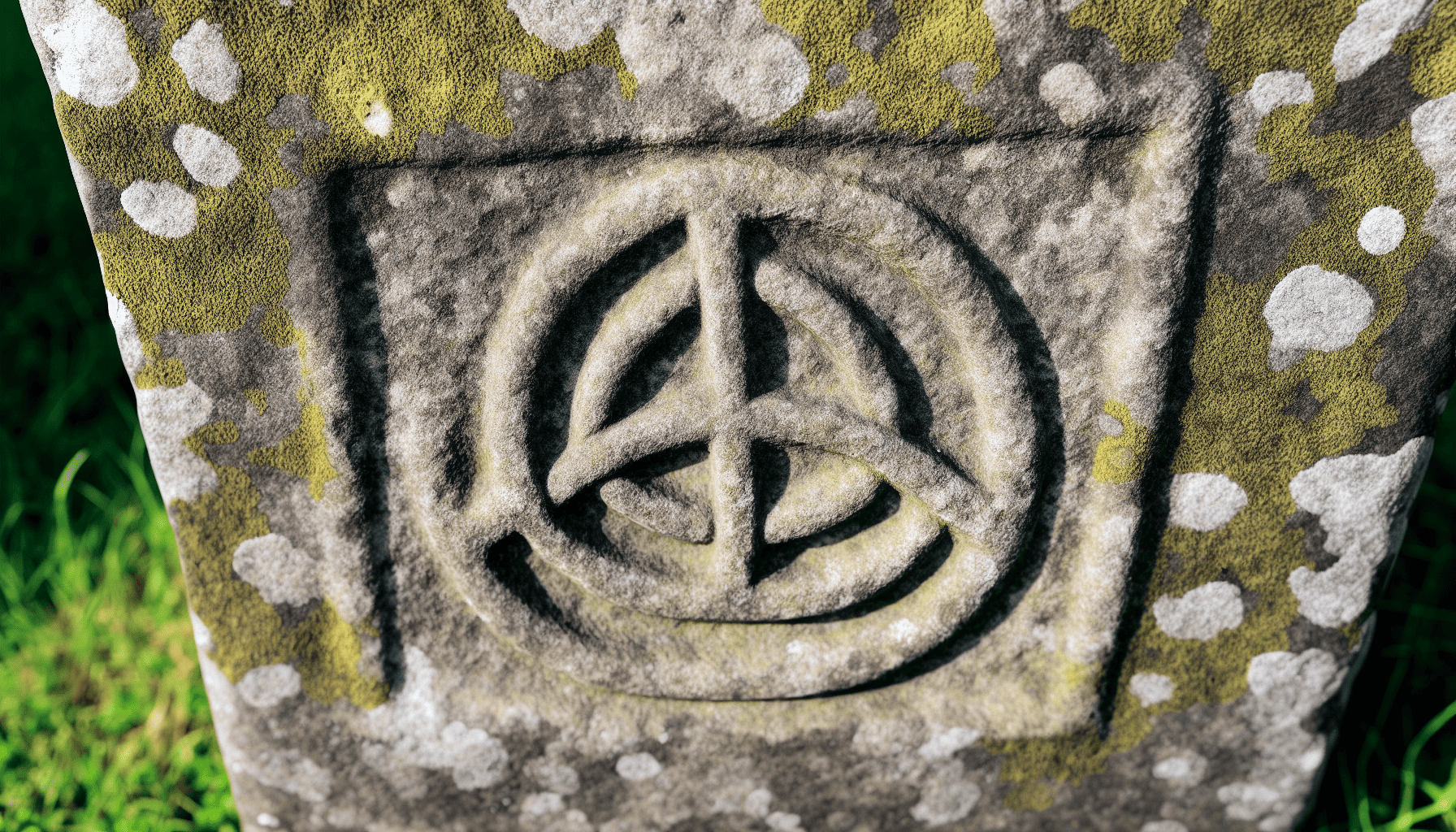
Across many of its interpretations, the triquetra represents “the power of three” - sets of three concepts bound into one continuous, unbroken form: body/mind/spirit, birth/life/death, or the Holy Trinity, depending on the tradition. The number three carries real symbolic weight across many cultures independent of the triquetra specifically, and the symbol’s three-arc structure is a natural fit for that meaning, regardless of exactly where the shape first came from.
Modern Revival
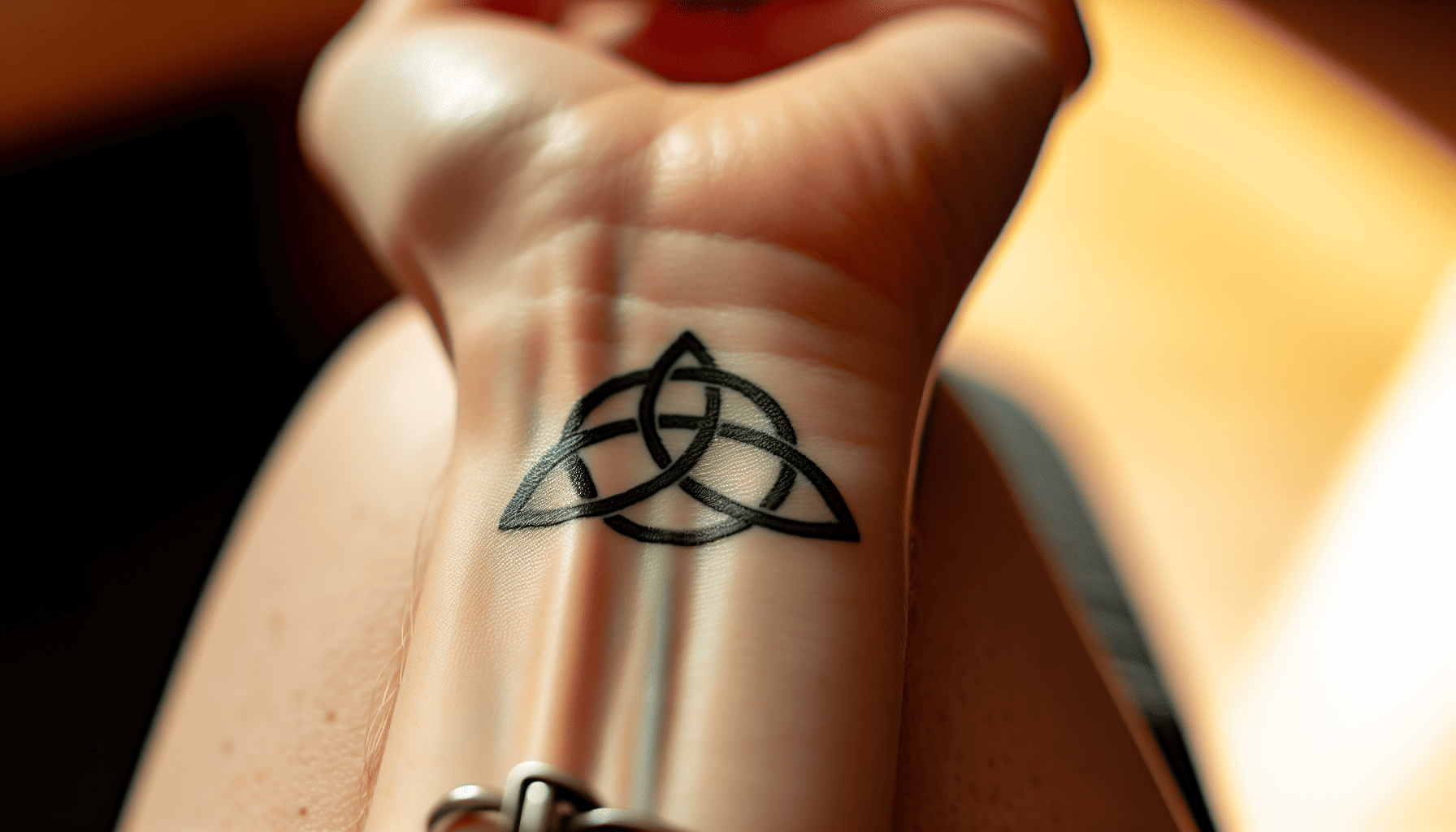
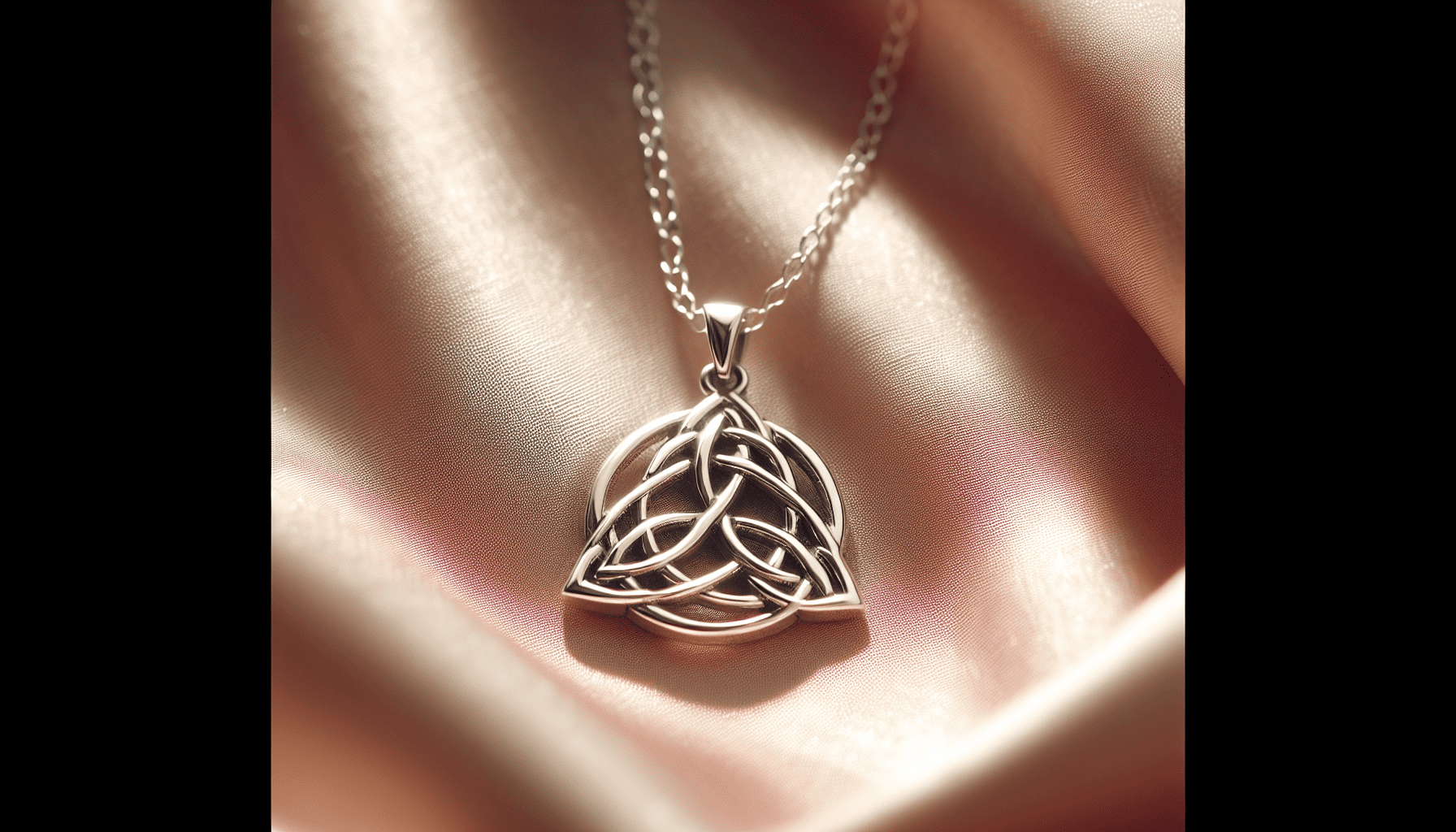
The triquetra has seen a real resurgence in contemporary use - tattoos, jewellery, and design work that draw on its historical associations with unity, protection, and eternity. Modern interpretations often extend it further, toward themes of love, family, and unbreakable connection - a natural evolution of a symbol that’s already been reinterpreted more than once across its long history.