A note on terminology, for clarity: this page uses “Black Irish” in its older, folklore sense - a colloquial term for Irish people with unusually dark hair and pale skin, historically debated and of disputed origin. This is a genuinely different thing from the modern, more common use of “Black Irish” to mean Black people who are Irish by nationality or heritage - a separate topic this page isn’t about. The two get blurred together in a lot of writing on this subject, including in earlier versions of this page, and it’s worth being upfront about the distinction rather than letting the two meanings run together.
The Folklore Term
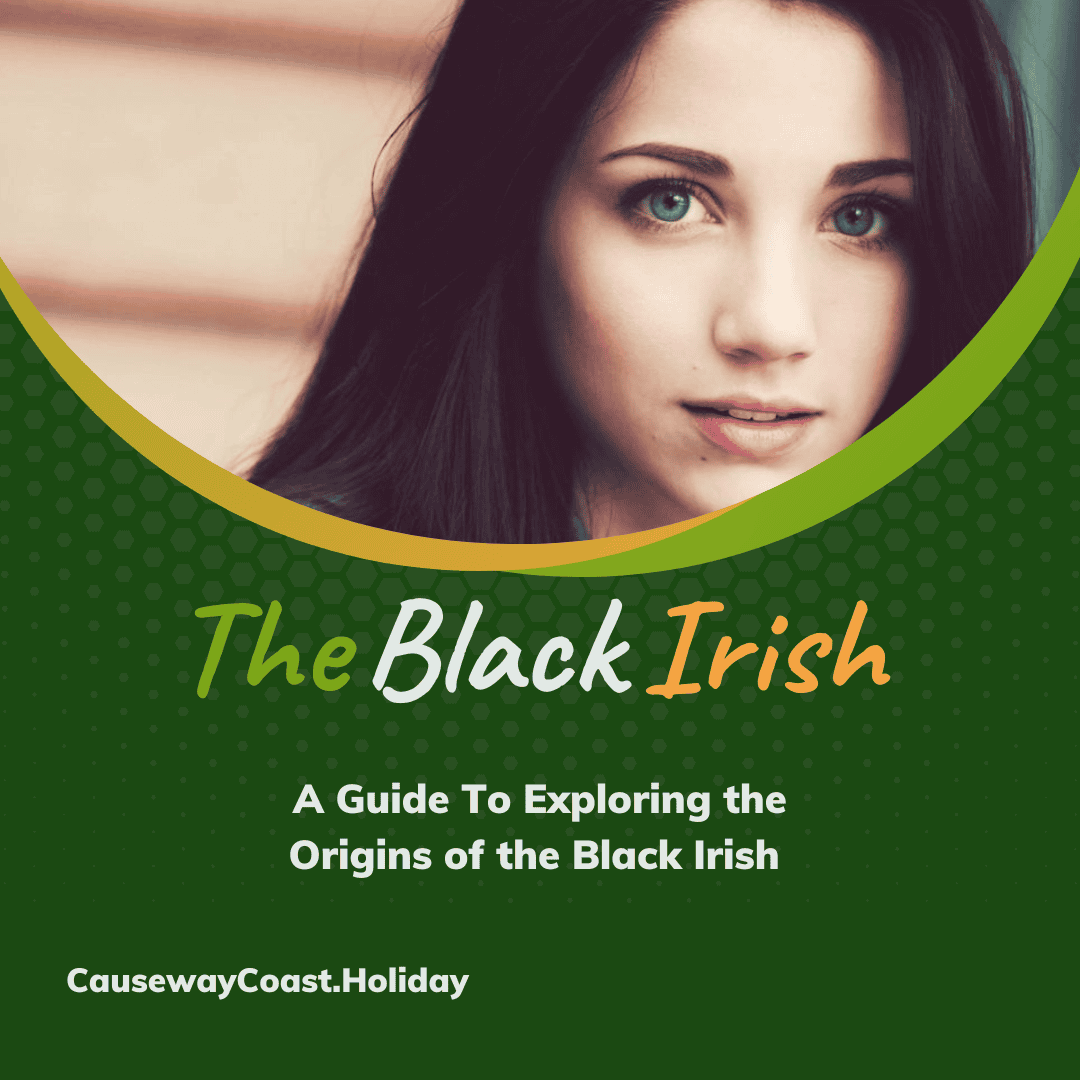
“Black Irish” - probably coined in the United States - refers to a stereotype of Irish people with black hair and very pale skin, distinct from the more commonly cited Irish stereotype of red hair and fair skin. Both traits do genuinely occur in the Irish population; neither is more “authentically Irish” than the other. One often-cited claim - that a 1930s study by researcher Wesley Dupertuis found about 3% of a 10,000-man Irish sample had black hair and pale skin - could not be independently traced to a primary source in this fact-check. Dupertuis was a real physical anthropologist, but the specific figure should be treated as an attributed, unverified claim rather than an established fact.
Where Might It Come From?
Pre-Celtic populations: one theory holds that populations in Ireland before Celtic settlement were smaller in stature with black hair and pale skin, and that this trait persisted through later intermarriage even as red hair became more strongly associated with “Irishness.” This remains a theory - scientific evidence about pre-Celtic populations’ actual appearance is genuinely limited, so it can’t be confirmed or ruled out.
The Spanish Armada legend: a popular story holds that Black Irish ancestry traces to Spanish sailors shipwrecked on Ireland’s coast in 1588, who settled and intermarried locally. This is a well-known folk legend, not a genetically supported claim - historical and genetic research indicates the Armada did not have a significant impact on the Irish gene pool. Where genuine Irish- Iberian genetic connections have been identified by researchers, they point to a much older, shared ancestral link between Irish and Basque populations, unrelated to the 16th-century Armada wrecks specifically.
Vikings and Normans: both groups settled and intermarried in Ireland from the 9th and 12th centuries respectively, and may have contributed to the range of hair and eye colour seen across the Irish population today, though the extent of any specific genetic contribution is genuinely debated among researchers rather than settled.
A Term Without a Fixed Meaning
“Black Irish” isn’t a recognised ethnic or genetic category, and it isn’t widely used as a serious identity term in Ireland today. It describes an appearance, not a lineage - not everyone with black hair and dark eyes in Ireland shares any particular ancestry, and plenty of Irish genetic and cultural diversity has nothing to do with the term at all. It’s also worth being clear that the phrase carries real potential for stereotyping (“more exotic” or “more attractive” framings turn up in some popular writing on the topic) - appearance-based generalisations about any group are worth treating with the same scepticism regardless of who they’re about.
In Culture
The term and the folklore around it turn up in Irish-American popular culture and occasionally in descriptions of public figures with dark hair - though such descriptions are informal and not verifiable claims about someone’s actual ancestry, and are reproduced here only as an example of how the term gets used, not as a factual claim about any individual.