Ireland’s captivating Celtic symbols, rooted in the spiritual and cultural heritage of the Celts, continue to inspire today - from intricate knotwork to enduring emblems of nature and faith.
Celtic Knots
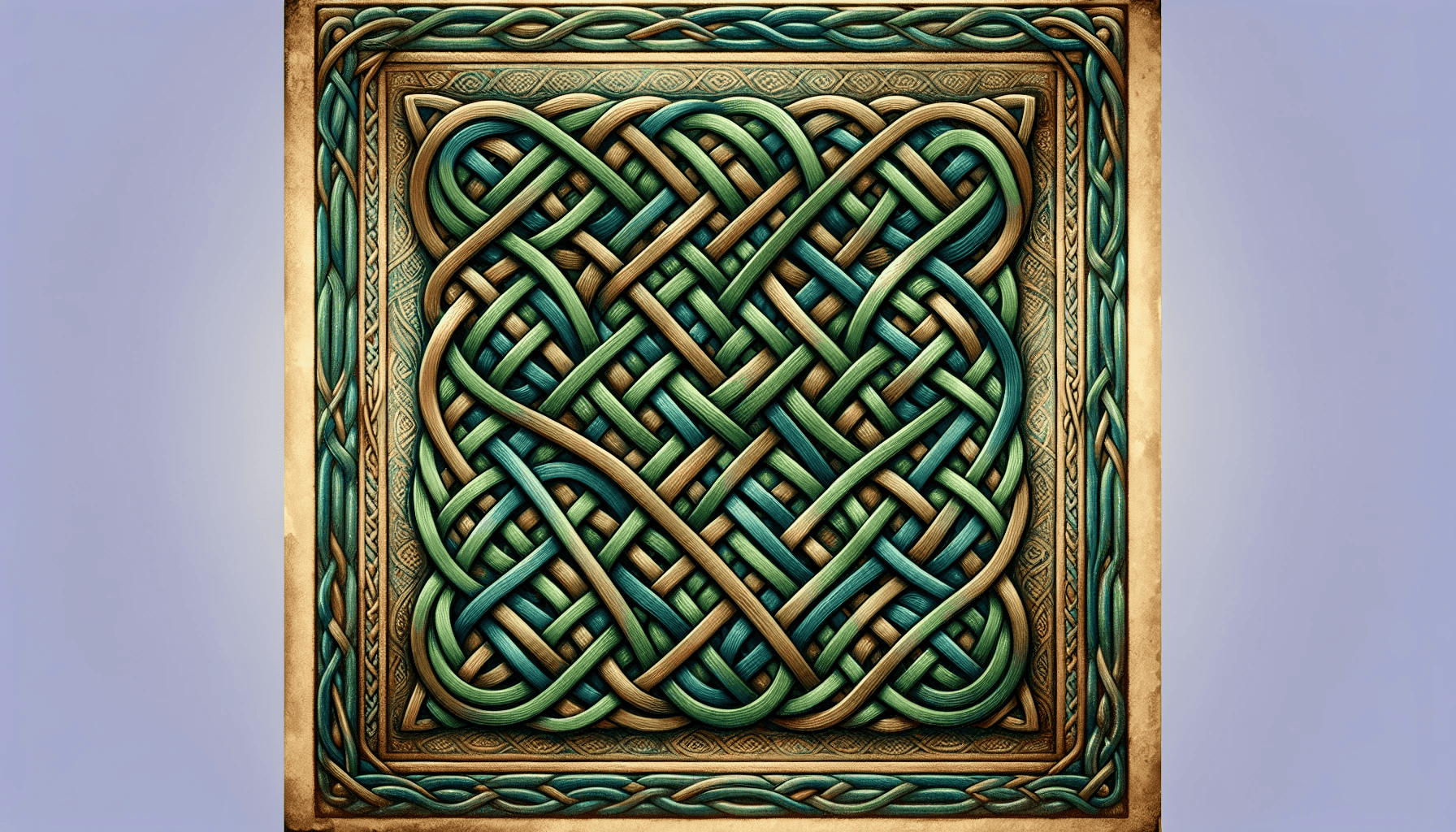
Celtic knots, with their interwoven, endless patterns, trace back to Celtic culture generally associated with Central Europe (the Hallstatt and La Tène archaeological cultures), later spreading west to Ireland, Britain, and beyond. Their unbroken loops are traditionally read as symbols of endlessness, unity, and eternal spiritual life, appearing throughout Celtic art, jewellery, and the Irish harp.
The Trinity Knot
Also known as the Triquetra, the Trinity Knot appears on Celtic artefacts dating to around the 7th century. With roots in pre-Christian culture, it was later adopted as a symbol of the Christian Holy Trinity - Father, Son, and Holy Spirit - after Christianity arrived in Ireland, and remains a popular motif on wedding rings and other tokens of commitment.
The Dara Knot
Named from the Irish word for oak tree (“dair”), the Dara Knot’s design echoes the tree’s root system, traditionally symbolising inner strength and resilience - drawing on the oak’s long-standing status as a symbol of strength in Celtic tradition.
The Celtic Cross
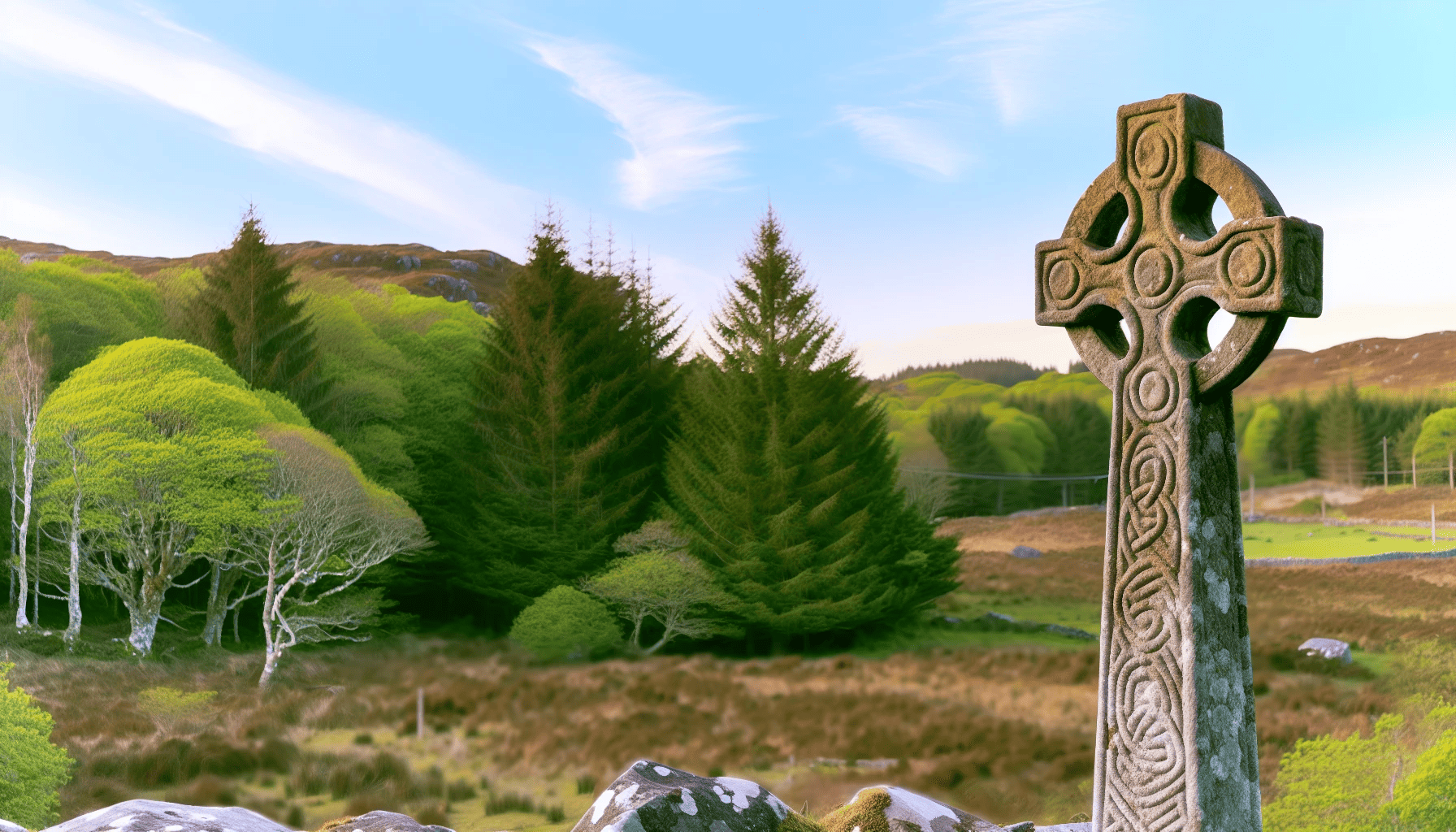
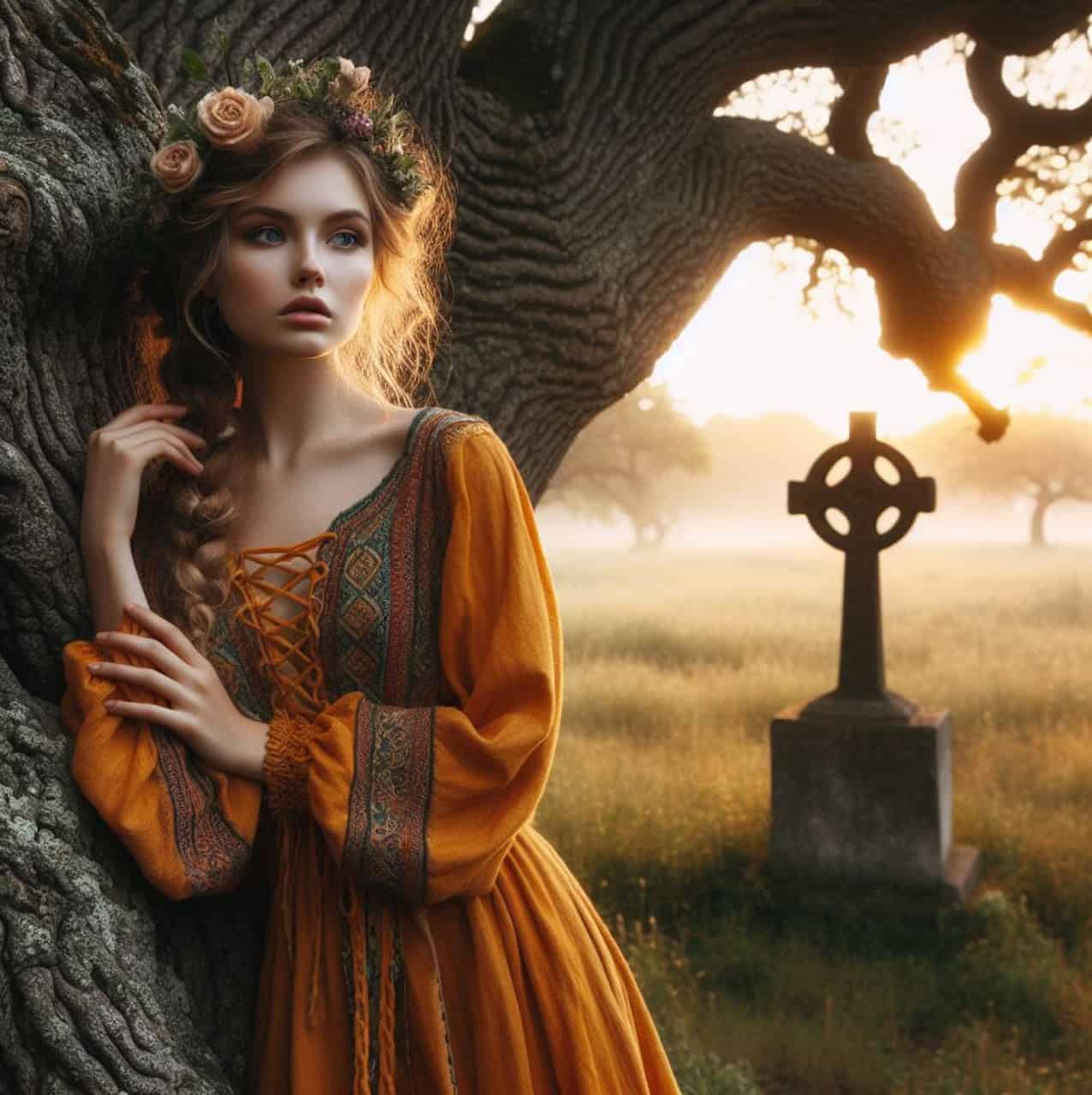
Combining a cross with a central circle, the Celtic Cross blends Christian and pre-Christian imagery, with some of its earliest known depictions dating to the 8th or 9th century. Traditional interpretations link its four arms to the cardinal directions, the four elements, or the seasons. Notable examples include the high crosses at Kells, Monasterboice, and Clonmacnoise.
Sacred Trees
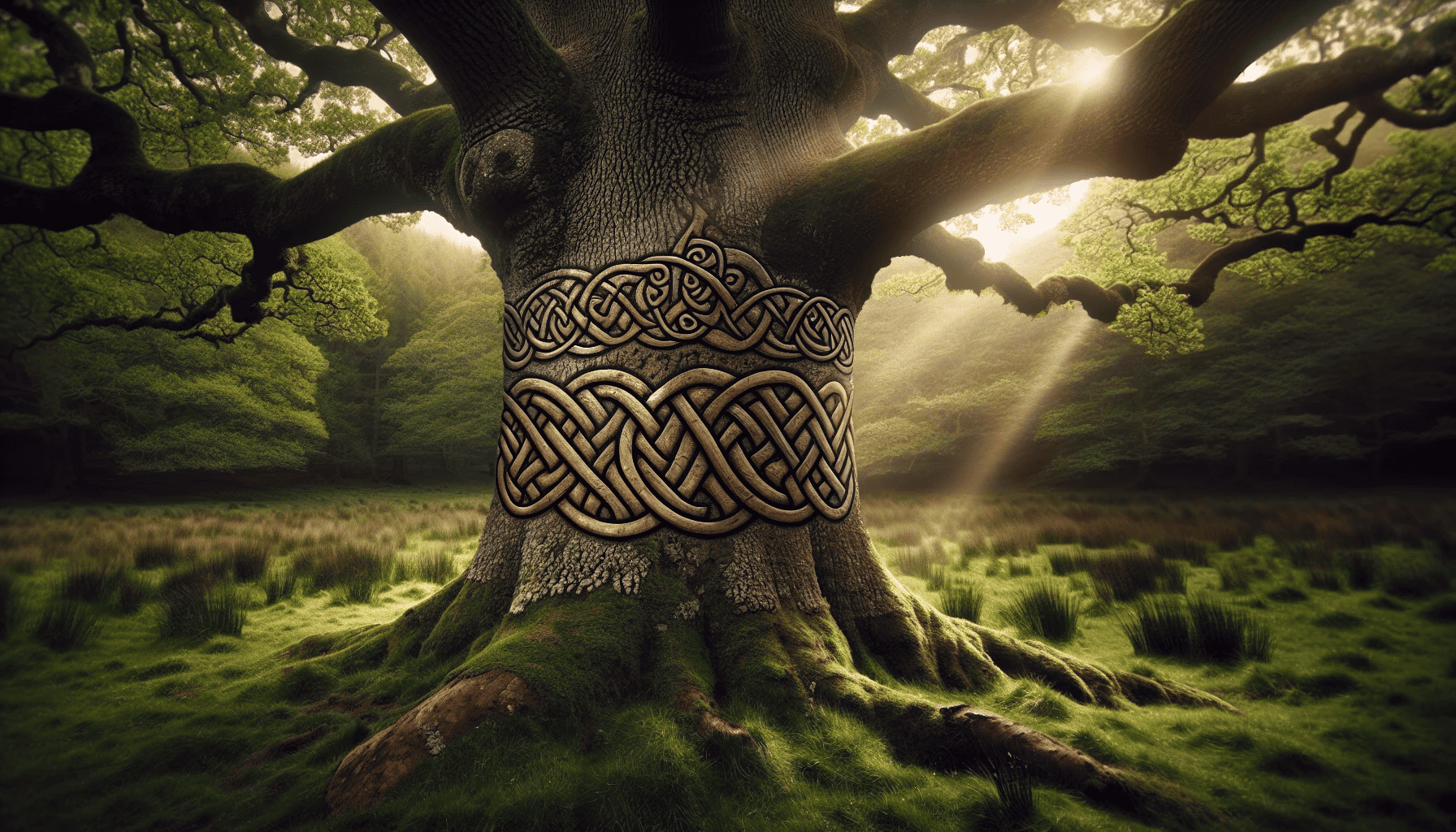
Trees held particular significance in Celtic belief - the oak, associated with strength and the god Taranis, and the yew, traditionally seen as a gateway to the Otherworld thanks to its ability to regenerate and its long lifespan.
Spirals
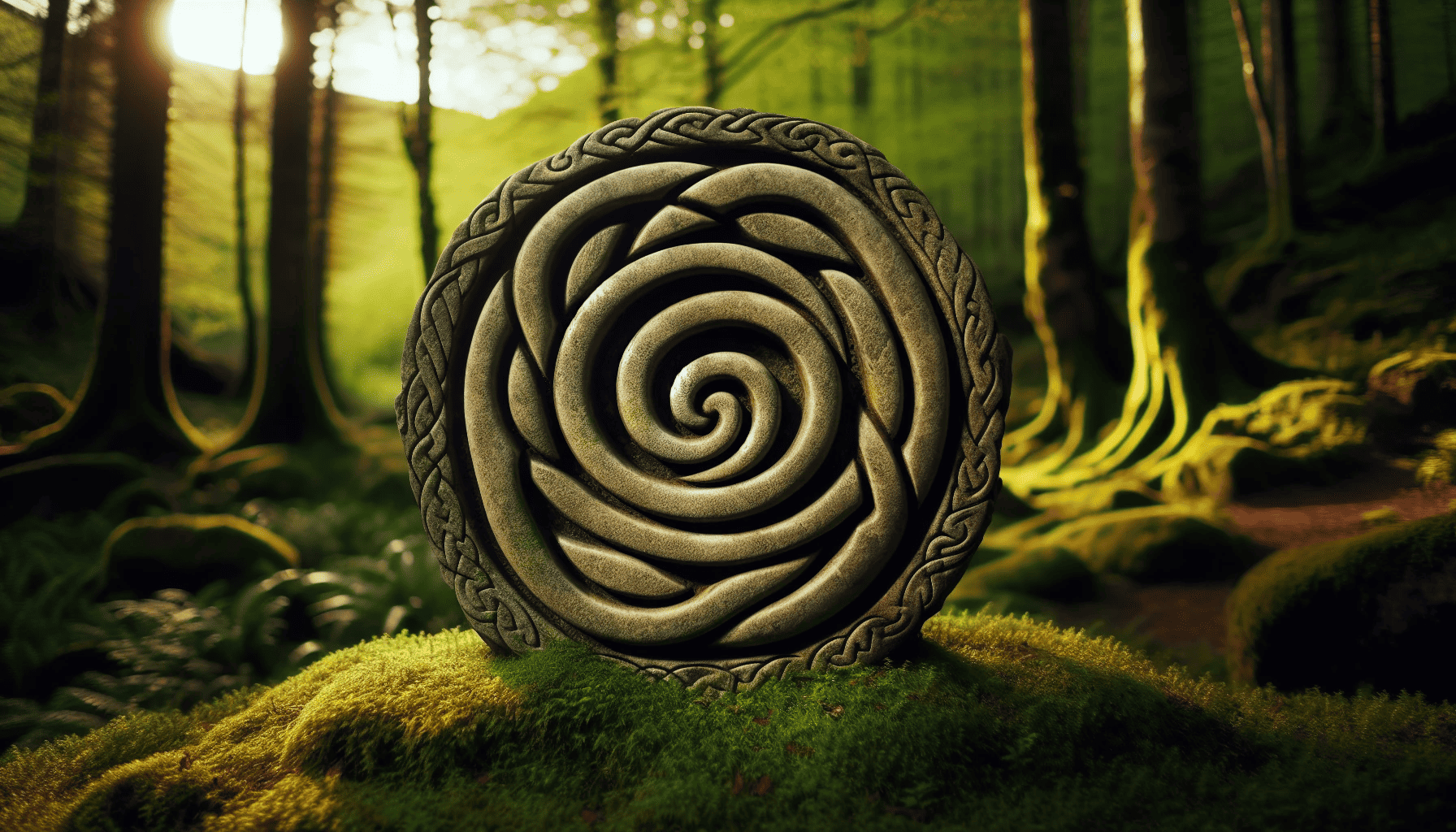
Celtic spiral art ranges from the single spiral, traditionally read as a symbol of personal growth and cosmic energy, to the Triskelion - three interlinked spirals traditionally associated with the harmony of land, sea, and sky.
Emblematic Irish Symbols
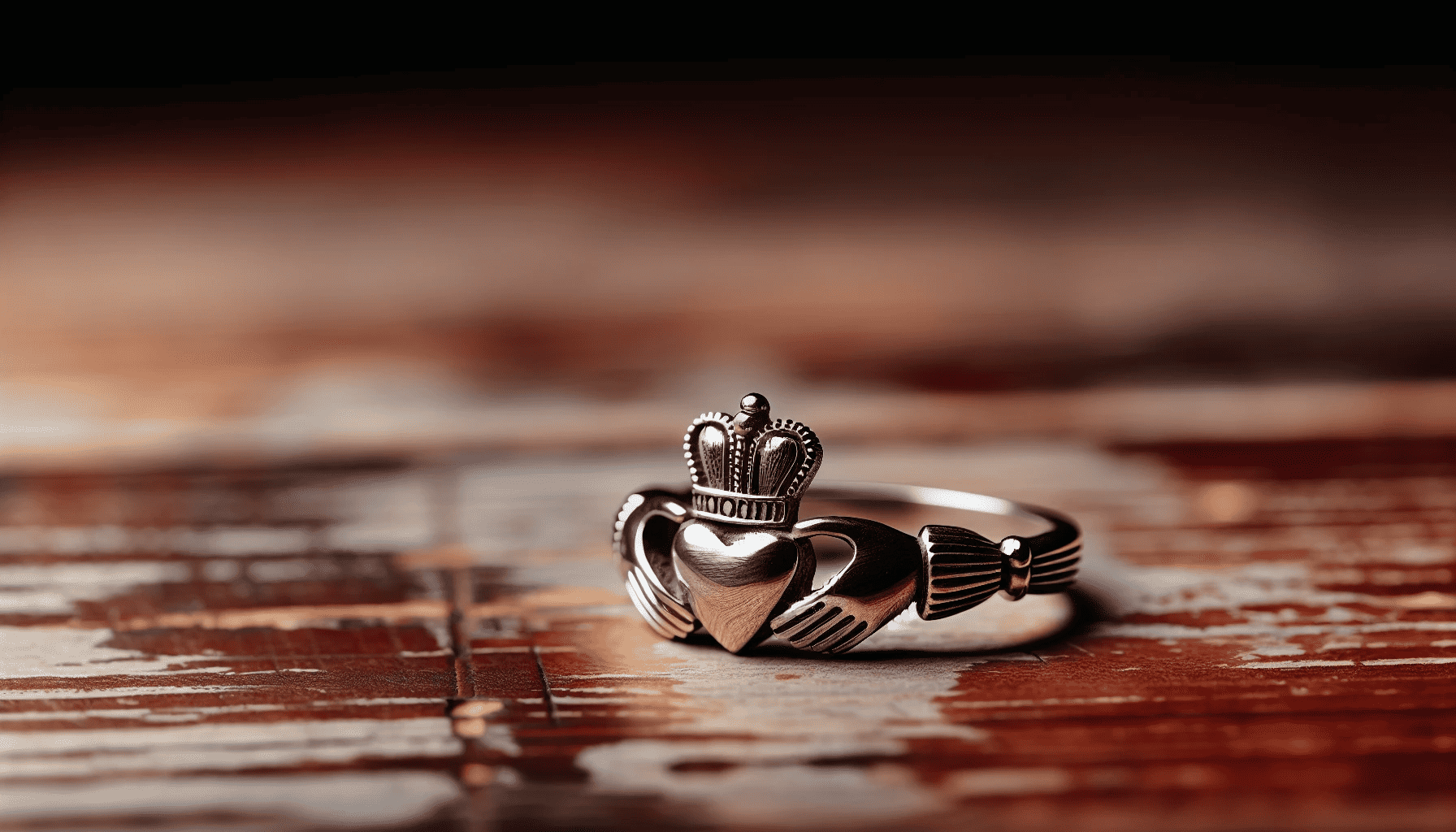
The Claddagh Ring, with its heart, hands, and crown representing love, friendship, and loyalty, originates from the Claddagh fishing village near Galway and dates back to at least the late 17th or early 18th century; by tradition, it’s given as a gift rather than bought for oneself. The Shamrock, long a symbol of luck, is also tied by legend to St Patrick’s use of the three-leafed plant to explain the Holy Trinity during his mission to Ireland, and has since become a broader national symbol.
Lesser-known symbols include the Celtic Motherhood Knot, representing the bond between mother and child, and the Ailm, associated in Celtic tree lore with fir trees and traditionally linked to resilience and inner strength.
Celtic Symbols Today
These symbols remain widely used in tattoos, jewellery, film, and literature, continuing to serve as markers of Celtic heritage and personal identity for people well beyond Ireland and Scotland.
Frequently Asked Questions
What do Celtic knots symbolize? Endlessness, connectivity, and spiritual unity, reflecting core values of ancient Celtic culture.
Are Celtic symbols Irish or Scottish? Both - they represent a shared Celtic heritage across Ireland and Scotland (and, more broadly, other Celtic-language regions of Western Europe).