Irish mythology is dense with supernatural figures - some benevolent, some genuinely sinister - that remain part of the country’s storytelling tradition today.
Fairies
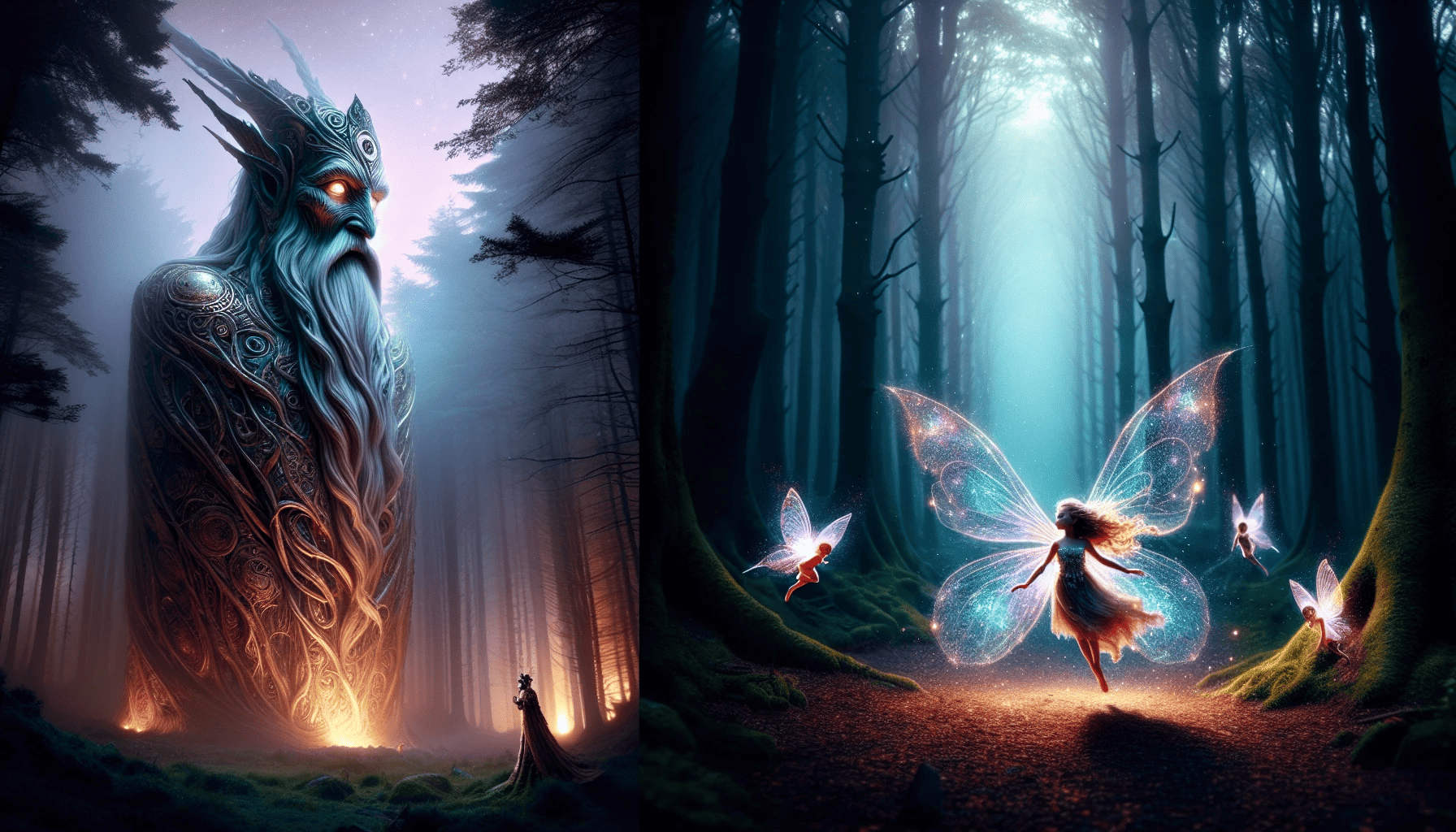
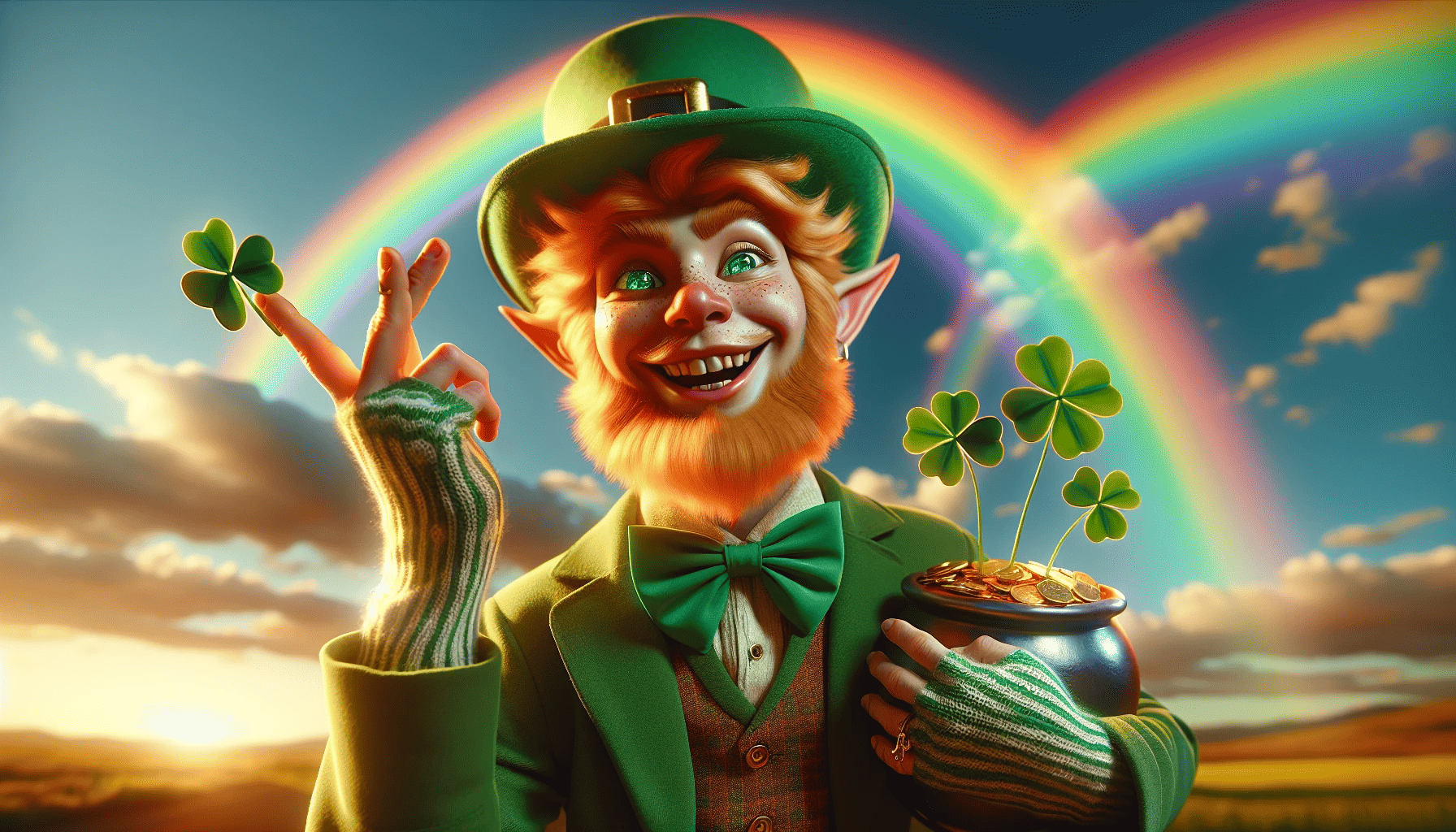
The Aos Sí are a powerful fairy race said to descend from the Tuatha Dé Danann, inhabiting fairy mounds and woodlands; protective but easily offended. Lone fairies - smaller, mischievous tricksters - include the well-known Leprechaun, a cobbler figure guarding a pot of gold, with legends tracing back to at least the 8th century.
Shape-shifters
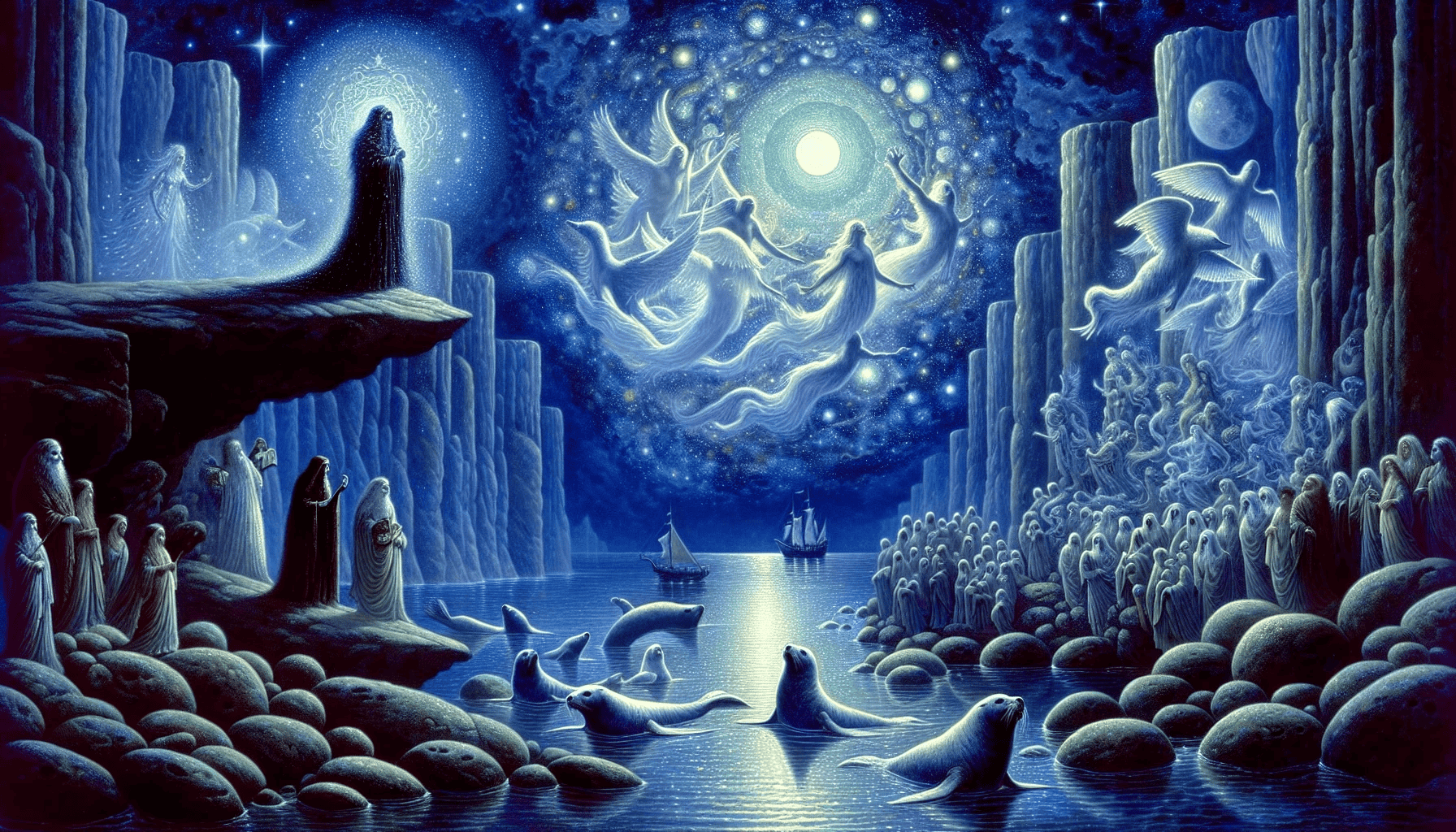
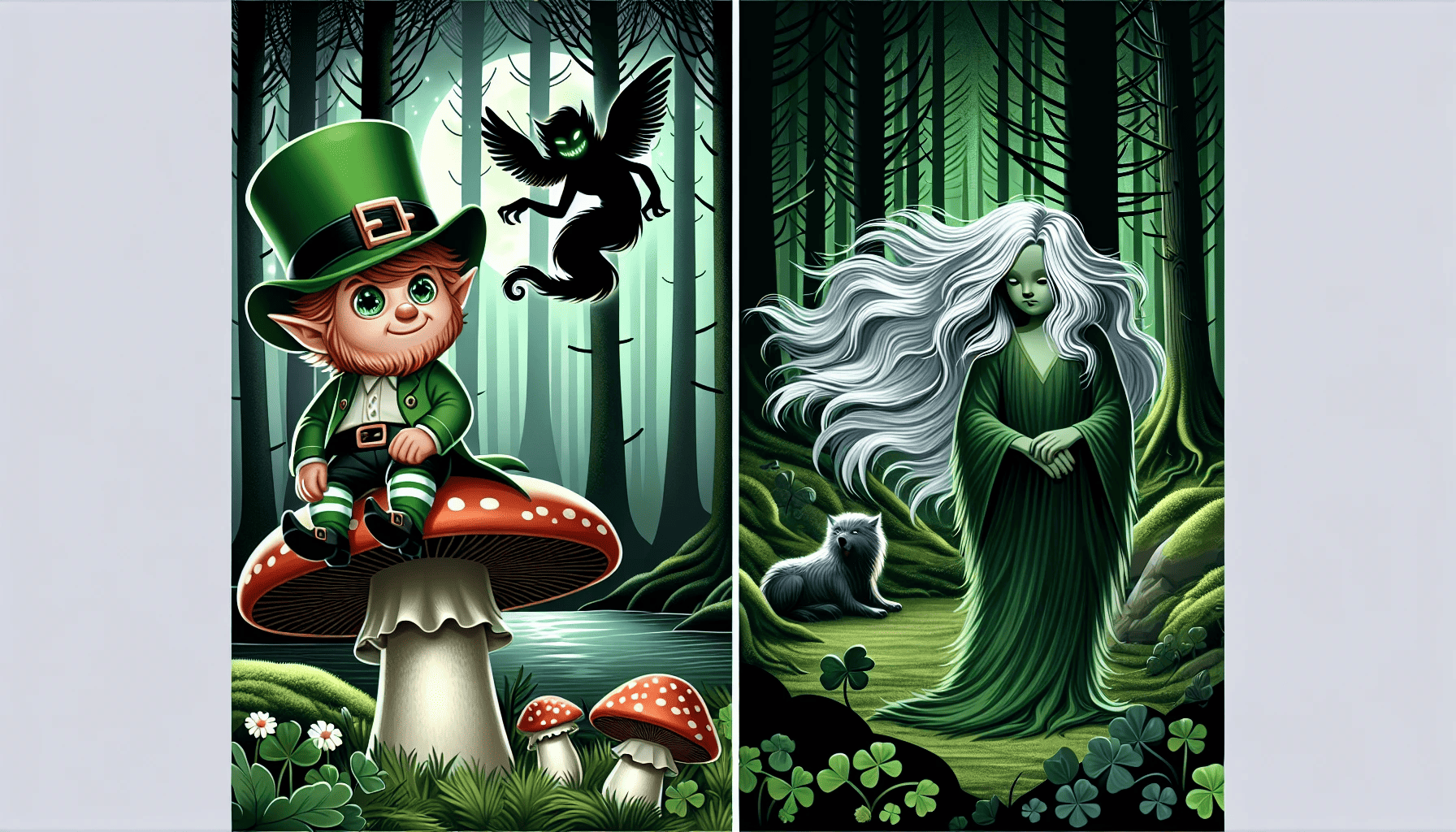
The Púca is a shape-shifting trickster spirit able to take animal form (horse, goat, cat, and others), bringing either good or bad fortune. Selkies, shared with Scottish folklore, transform between seal and human form by shedding their skin - stories built around themes of love and loss.
Fearsome Figures
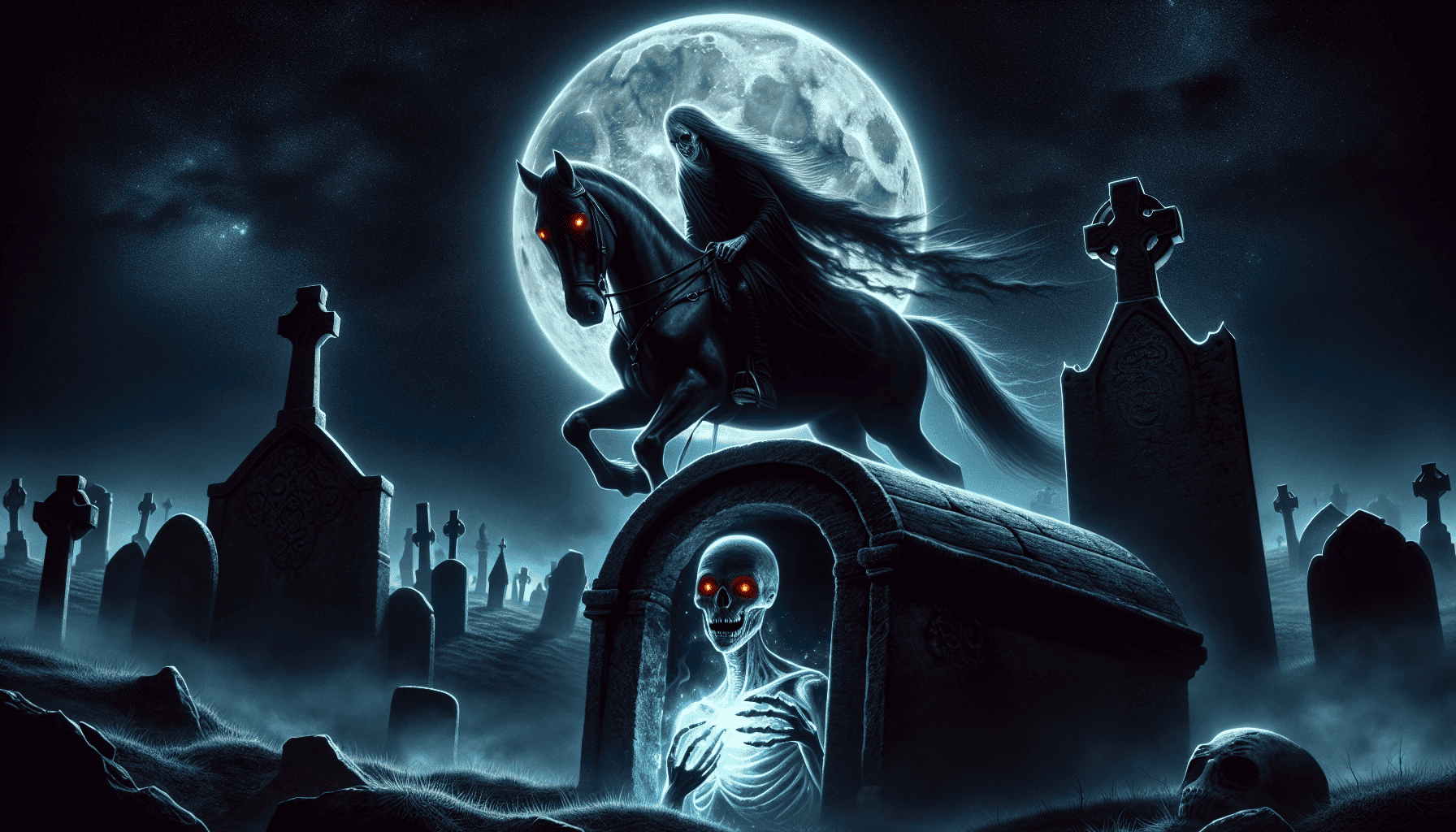
The Dullahan is a headless horseman said to herald death. Abhartach is a vampire-like figure from a 5th-century Derry legend - one of several folklore precedents sometimes cited in discussions of the broader vampire myth.
Guardians
Clíodhna, an ancient sovereignty goddess and “Queen of the Banshees,” is associated with beauty, healing, and the sea. Enbarr, a magical horse belonging to the sea god Manannán mac Lir, could run across both sea and land - a figure sometimes cited as an influence on later fantasy horses in literature, though this specific connection isn’t independently confirmed here.
Changelings
A recurring folklore motif: fairies swapping a human infant for one of their own, reflecting the real hardships and infant mortality of pre-industrial Ireland as much as any literal belief.
The Wild Hunt and the Sluagh
The Sluagh - restless spirits of the unforgiven dead - feature in Irish and wider Celtic tradition as part of the “Wild Hunt,” a spectral procession linked to death and renewal.
Frequently Asked Questions
What are Irish legends called? Broadly grouped into four traditional cycles: the Mythological Cycle, the Ulster Cycle, the Fenian Cycle, and the Historical Cycle.
Who are the giants in Irish mythology? The Fomorians - malevolent beings associated with the sea, frequently in conflict with other mythological races.