Targeted fix only - most of this long mythology overview checked out well against standard references; the correction below addresses the one confirmed error found.
Celtic mythology’s pantheon reflects the values the ancient Celts held dear: nature, fertility, war, and sovereignty. Over 400 deities are attributed to Celtic tradition, some widely revered across the Celtic world, others known only regionally.
The Tuatha Dé Danann
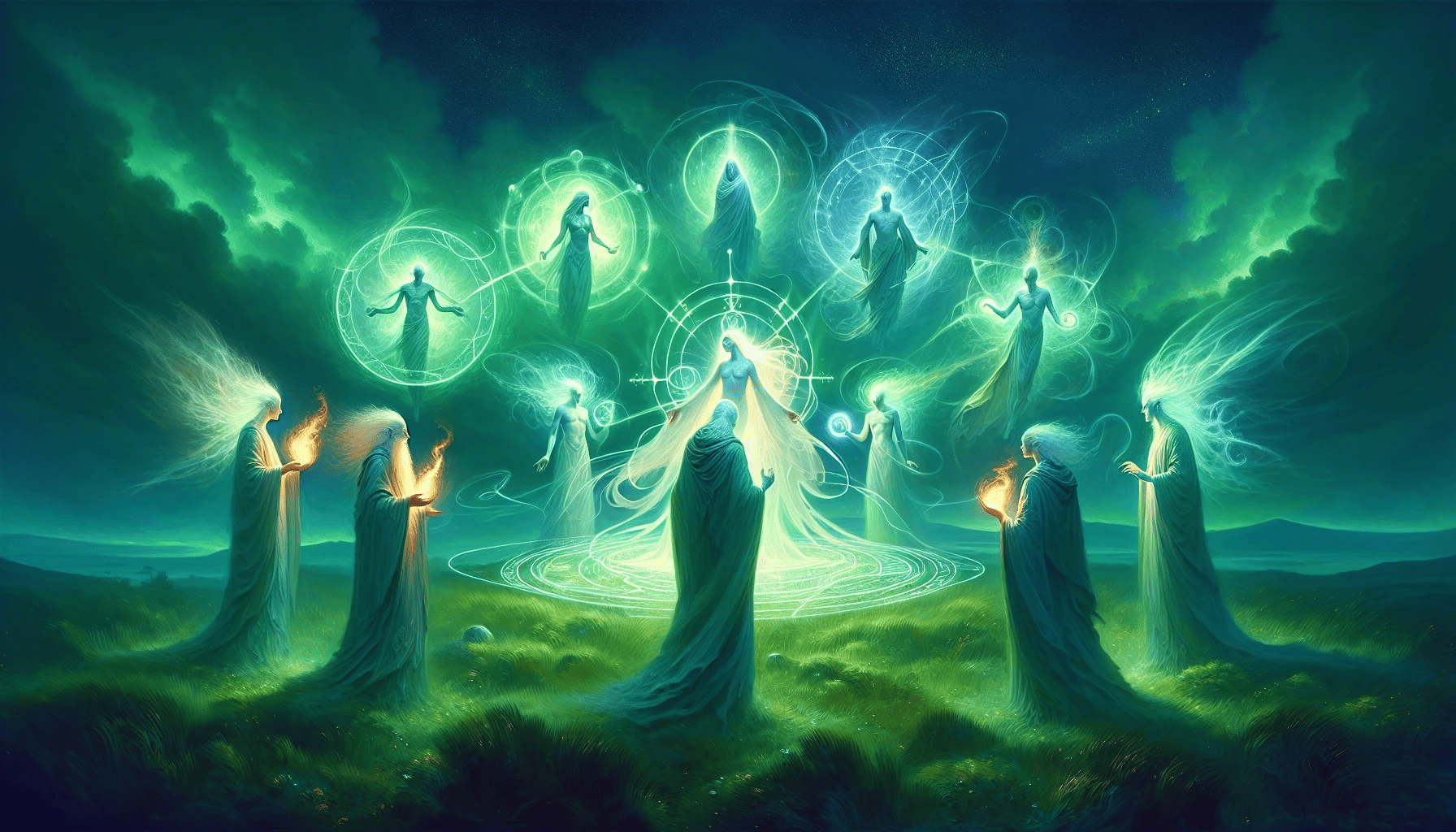
In pre-Christian Ireland, the Tuatha Dé Danann - a legendary race of gods and goddesses believed to have ruled Ireland before mortal peoples arrived - held particular importance.
The Dagda, often called “the Good God,” led the Tuatha Dé Danann and embodied strength, wisdom, and abundance - associated with agriculture, fertility, and magic. He’s depicted wielding a club capable of both destruction and restoration, a bottomless cauldron, and a harp that could command the seasons and human emotions. His other recorded names include Eochu (or Eochaid) Ollathair, Ruad Rofhessa, and Dáire. In terms of stature within his pantheon, he’s sometimes compared to Odin’s role in Norse mythology - a useful cross-cultural comparison, not a claim that Odin himself appears in Celtic tradition.
Lugh, sometimes called the Celtic sun god, was a skilled warrior and craftsman, famed for slaying his own grandfather, the giant Balor of the Fomorians, and leading the Tuatha Dé Danann to victory against Fomorian oppression. His name, Lugh Lámhfhada (“Lugh of the long arm”), refers to his skill throwing a spear great distances. He’s honoured at the harvest festival of Lughnasadh.
Brigid, daughter of the Dagda, was a triple goddess - three sisters sharing one name, ruling over poetry, healing, and smithcraft respectively. She was later absorbed into Christian tradition as Saint Brigid of Kildare, her associations with fire and sacred wells carrying through both traditions.
Nature and Fertility Deities
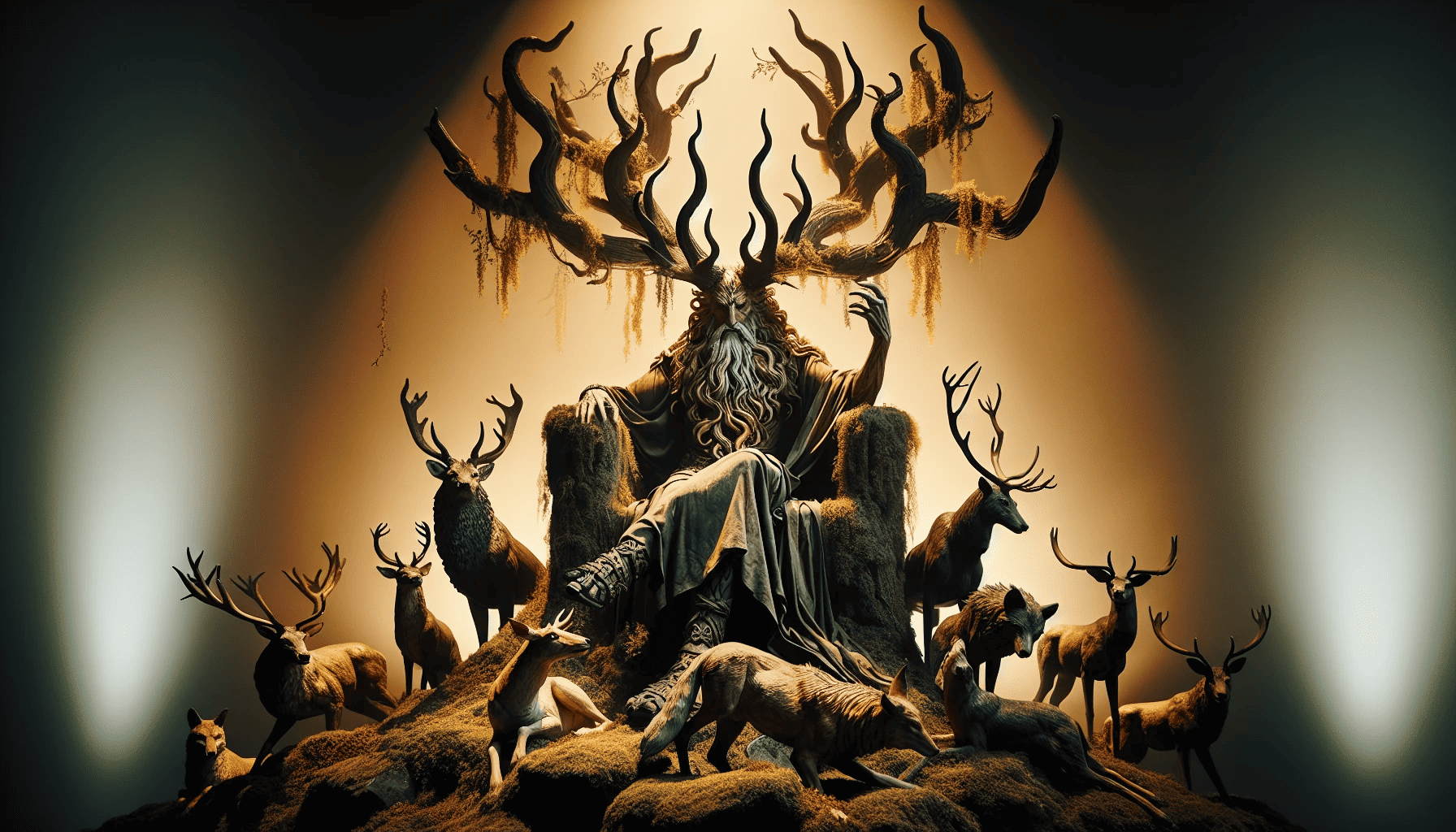
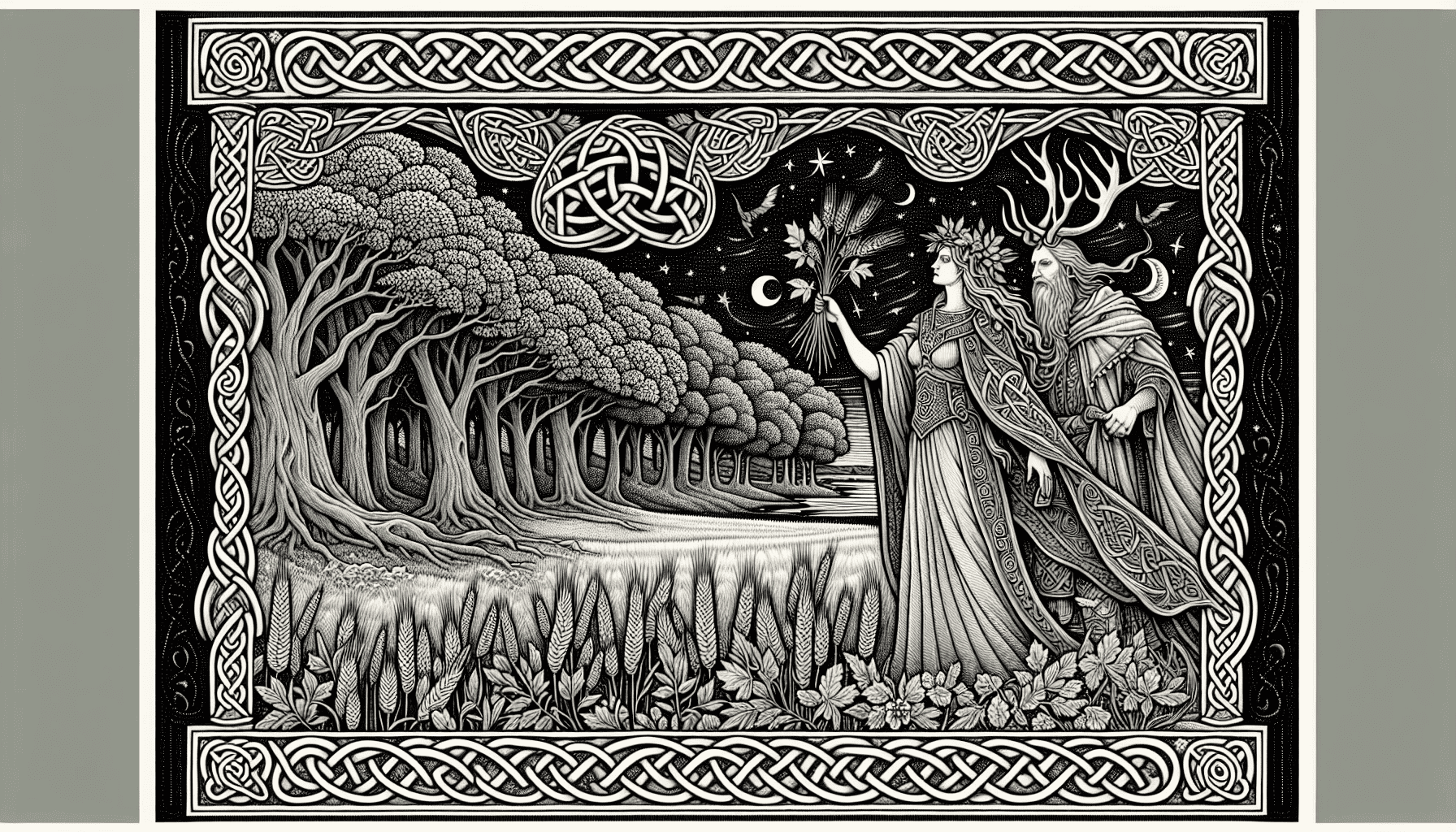
Cernunnos, the horned god of the forest, is associated with wild animals, fertility, and wealth - most famously depicted on the Gundestrup Cauldron. Evidence for his worship is concentrated in Gaul and Britain, with less presence in Ireland specifically, though he’s seen a real resurgence of interest in modern pagan and Wiccan practice.
Epona, the horse goddess, was venerated widely across Celtic and Roman territory (not solely in Ireland), associated with fertility, horses, and - notably - as patron and protector of the Roman cavalry.
War and Sovereignty Deities
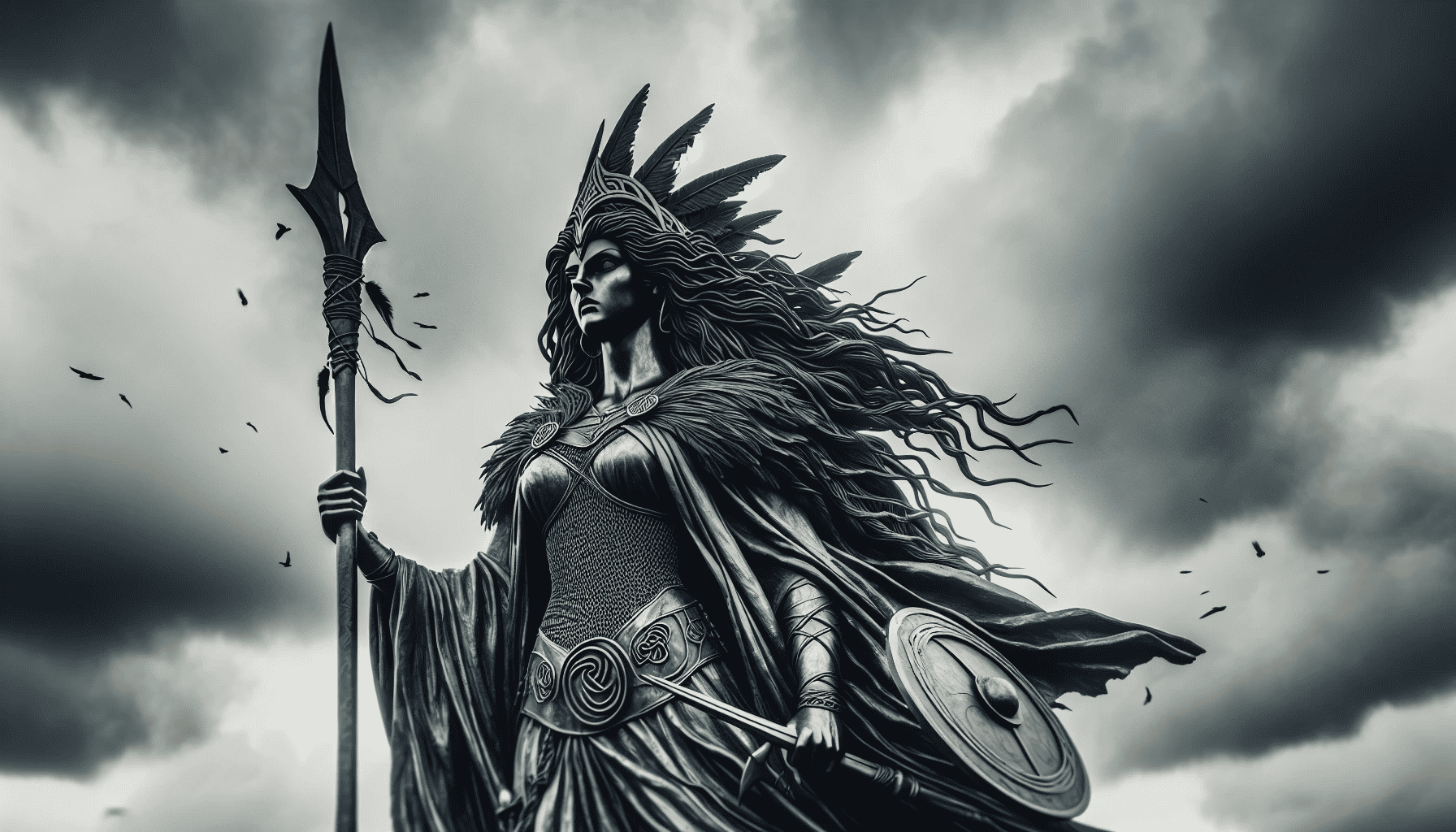
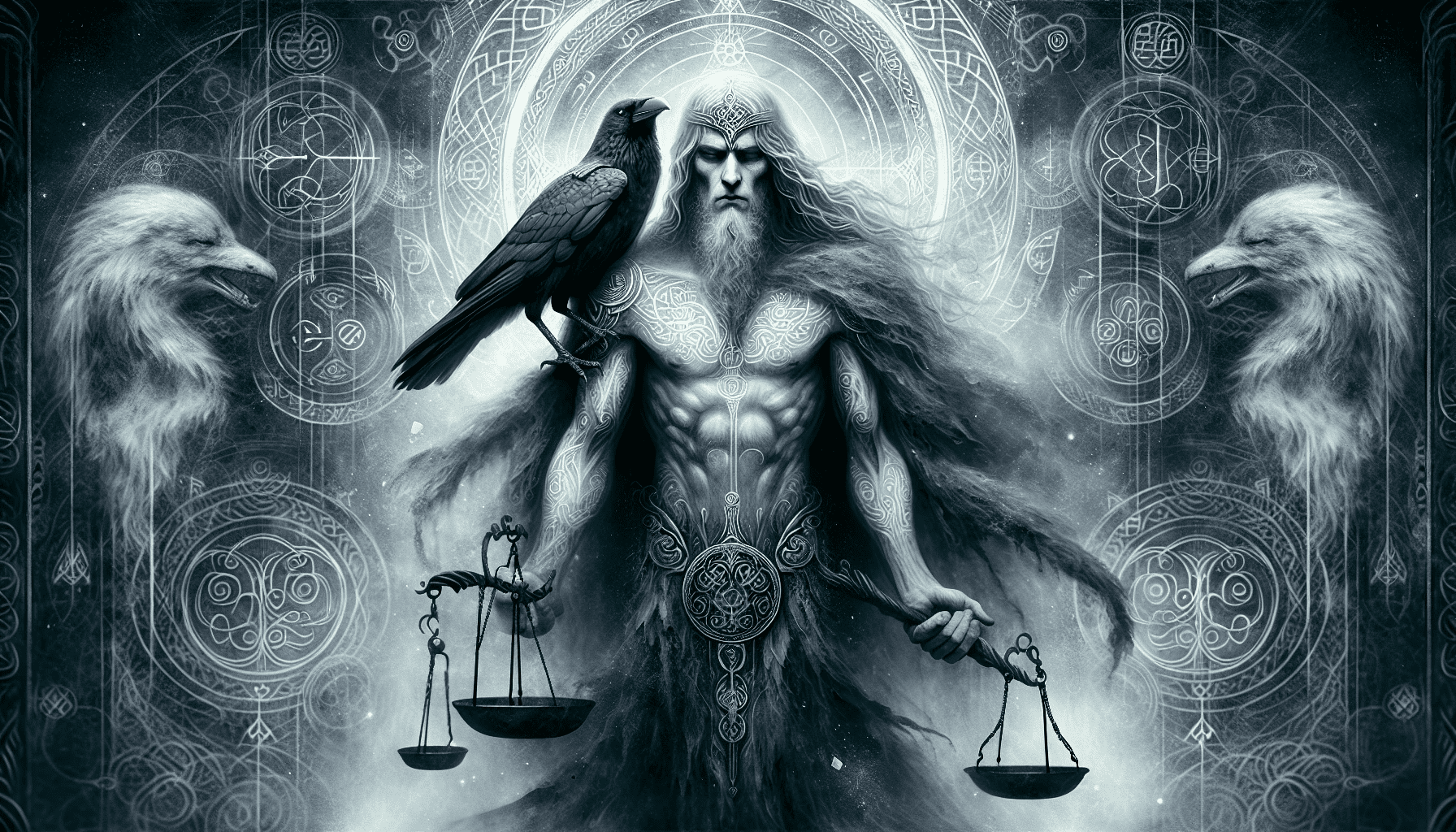
The Morrígan, a shape-shifting goddess of war and fate, often appeared as a crow or raven. She’s traditionally described as a triple goddess - her sisters were Badb, Macha, and Nemain (sometimes given as Anand/Anu), daughters of the mother goddess Ernmas. The Morrígan could foresee the outcome of battles; her encounters with the hero Cúchulainn, including her failed attempt to seduce him and her accurate prophecy of his death, are among her best-known stories.
Macha, one of the Morrígan’s sisters in her own right, is also treated as a distinct figure associated with the land, fertility, and horses - a protector in war and peace, and a powerful symbol of the connection between the ancient Celts and their landscape.
Lesser-Known Deities
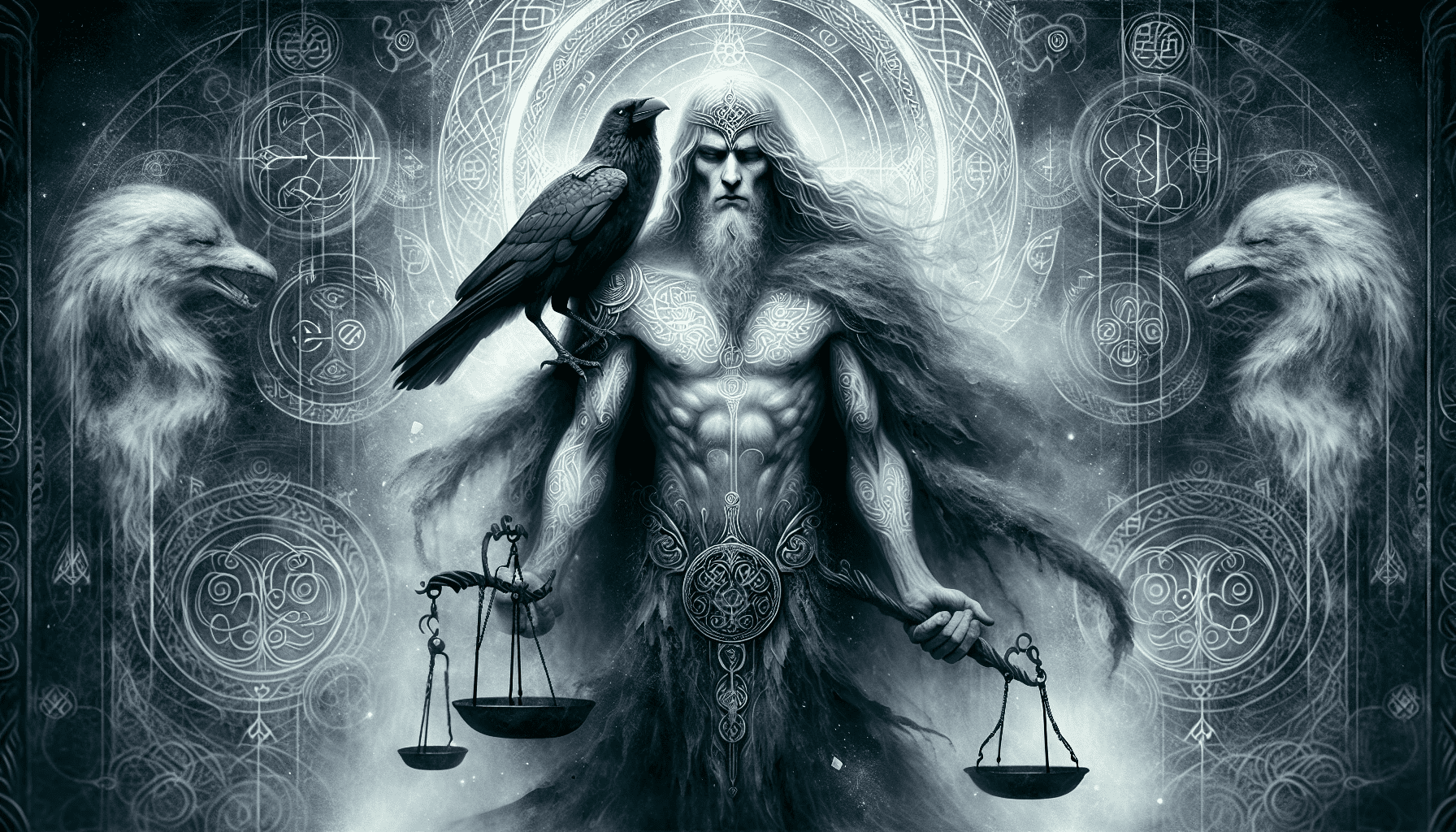
Arawn, ruler of the underworld in Welsh mythology, is associated with shapeshifting and justice - his story of exchanging places with the mortal Pwyll is a well-known episode in Welsh myth.
Bres, son of the goddess Ériu and the Fomorian king Elatha, married Brigid and briefly became King of Ireland, though he’s remembered as an unpopular, ungracious ruler. Despite his flaws, he’s credited with teaching the Tuatha Dé Danann agricultural knowledge.
Roman Influence
Roman writers, including Julius Caesar, provided some of the earliest surviving accounts of Celtic deities, and Roman religious tolerance led to syncretism - equating Celtic gods with Roman equivalents. Examples include Taranis (linked to Jupiter as a thunder god), Lugus (linked to Mercury), and Nodens (associated with hunting and healing).
Modern Revival
Celtic mythology continues to influence modern spiritual practice, from Druidry and modern paganism to a broader renewed interest in nature-based spirituality - a living legacy of a tradition that placed deep reverence in the land and its cycles.