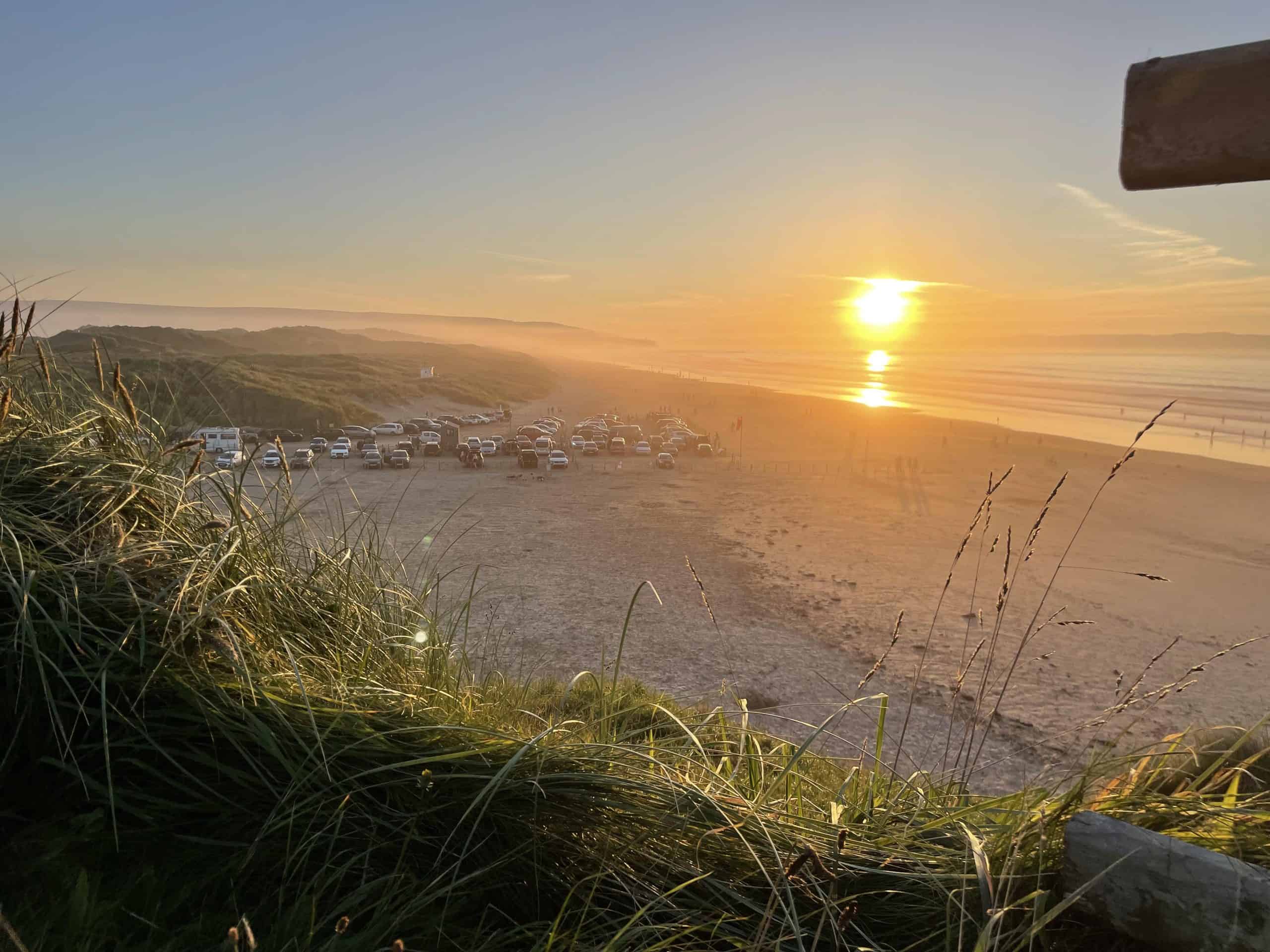
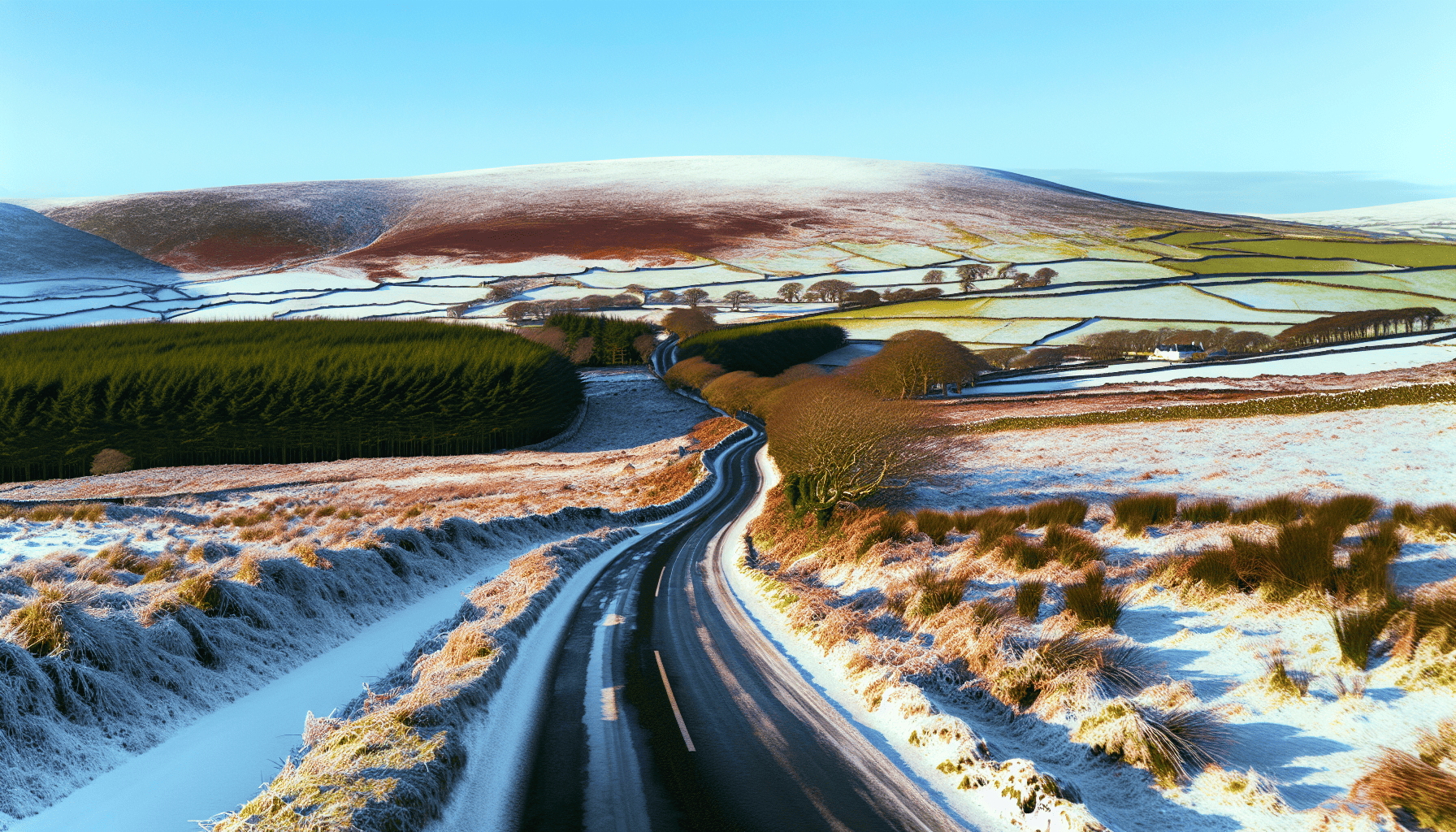
Winter in Ireland brings cool temperatures, short days, and a quieter, more atmospheric side of the country - well worth experiencing outside the summer crowds.
Weather
Expect average winter temperatures of 3-7°C, occasional snow (up to around 30 days a year on average, though unevenly distributed across the country), and Ireland’s characteristically wet, windy weather, moderated somewhat by the Atlantic. December and January tend to be the wettest months; exactly how much of Ireland’s rainfall - which itself varies enormously by region, from around 750mm a year in the east to over 2,000mm in parts of the west - falls specifically in winter varies too much to state as a single reliable figure.
Daylight
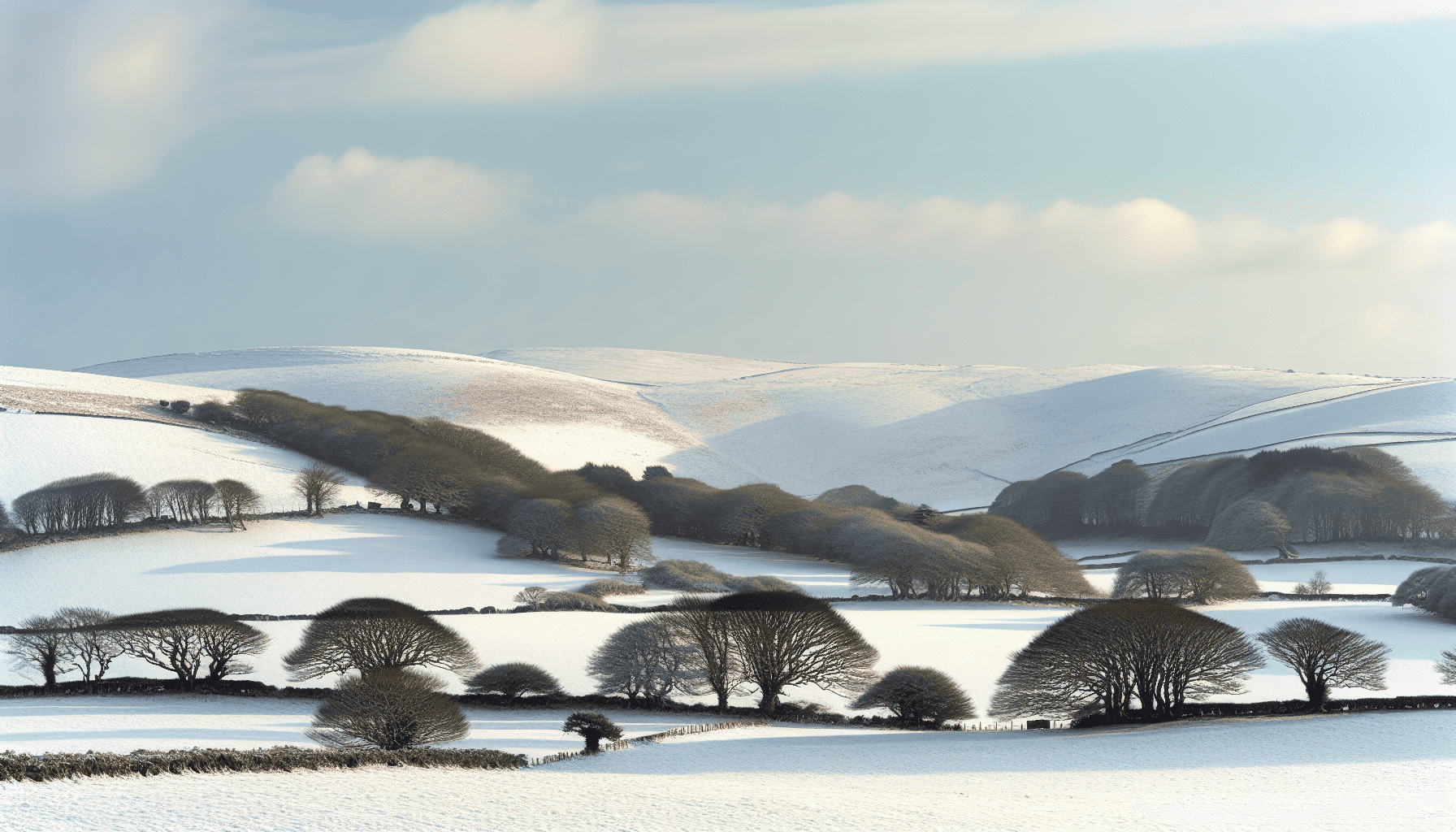
Ireland’s shortest day, around the winter solstice in late December, has roughly 7.5 hours of daylight, compared with around 16-17 hours at the summer solstice in June - a dramatic seasonal swing for a temperate country. On the shortest days, the sun climbs to only around 13 degrees above the horizon at midday, and December sees Ireland’s least sunshine of the year, often just an hour or two a day. Shorter days shift the mood - encouraging more time indoors, more atmosphere for winter festivities, and better viewing conditions for the Northern Lights when geomagnetic activity allows, roughly October through April.
Wildlife

Winter brings migrating birds to Ireland’s coasts and wetlands, including whooper swans, pintails, curlews, brent geese, red kites, hen harriers, great spotted woodpeckers, and siskins, while foxes, squirrels, hares, otters, and badgers stay active through the colder months, especially in woodland. Grey seal pups can sometimes be spotted along the coast, particularly on offshore islands.
What to Pack
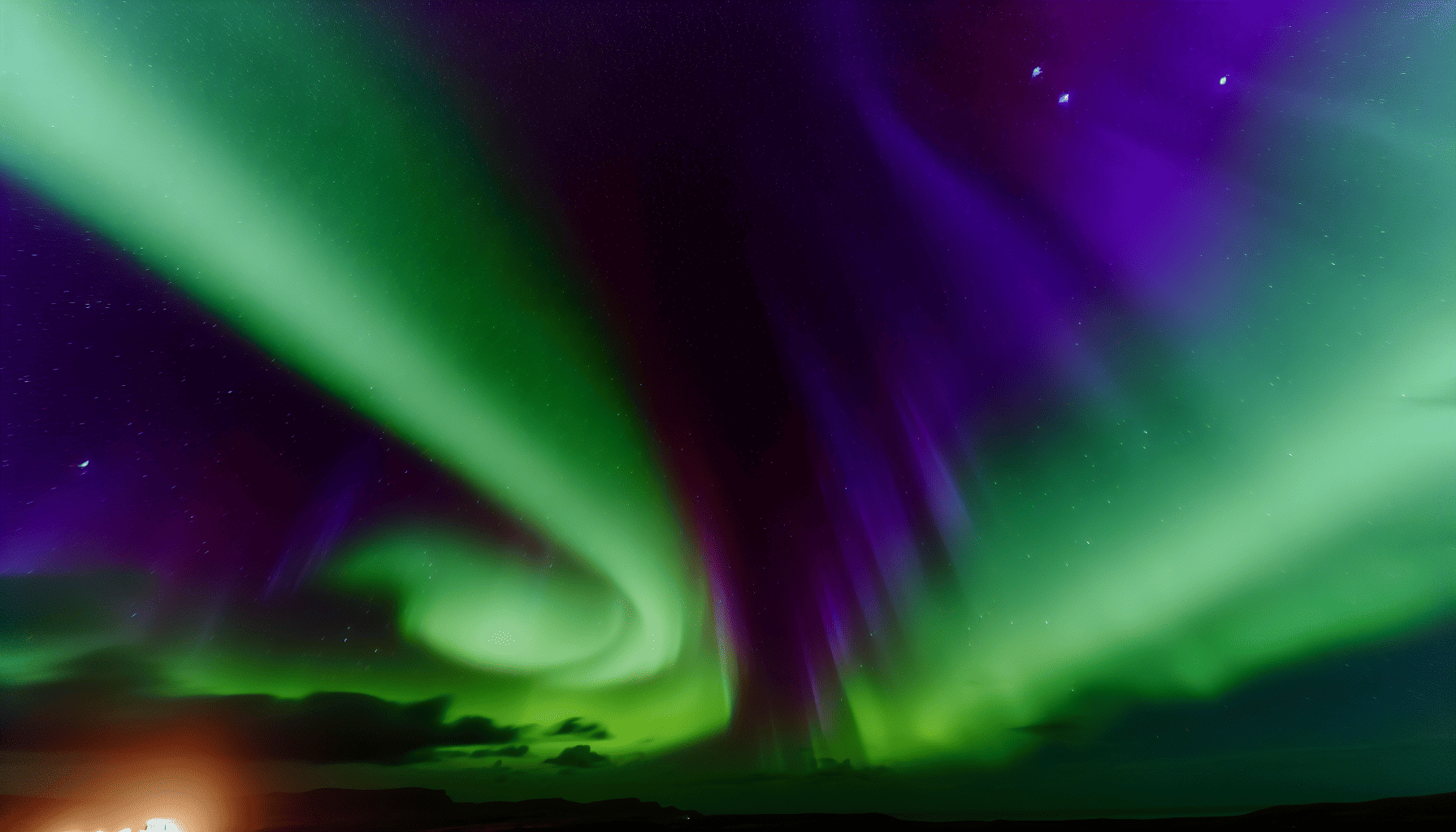
A rain-resistant winter coat with a hood, warm layers, gloves, scarf, and sturdy boots are the essentials - Irish winter weather is more about being prepared for wet and windy conditions than extreme cold.
Getting Out and About
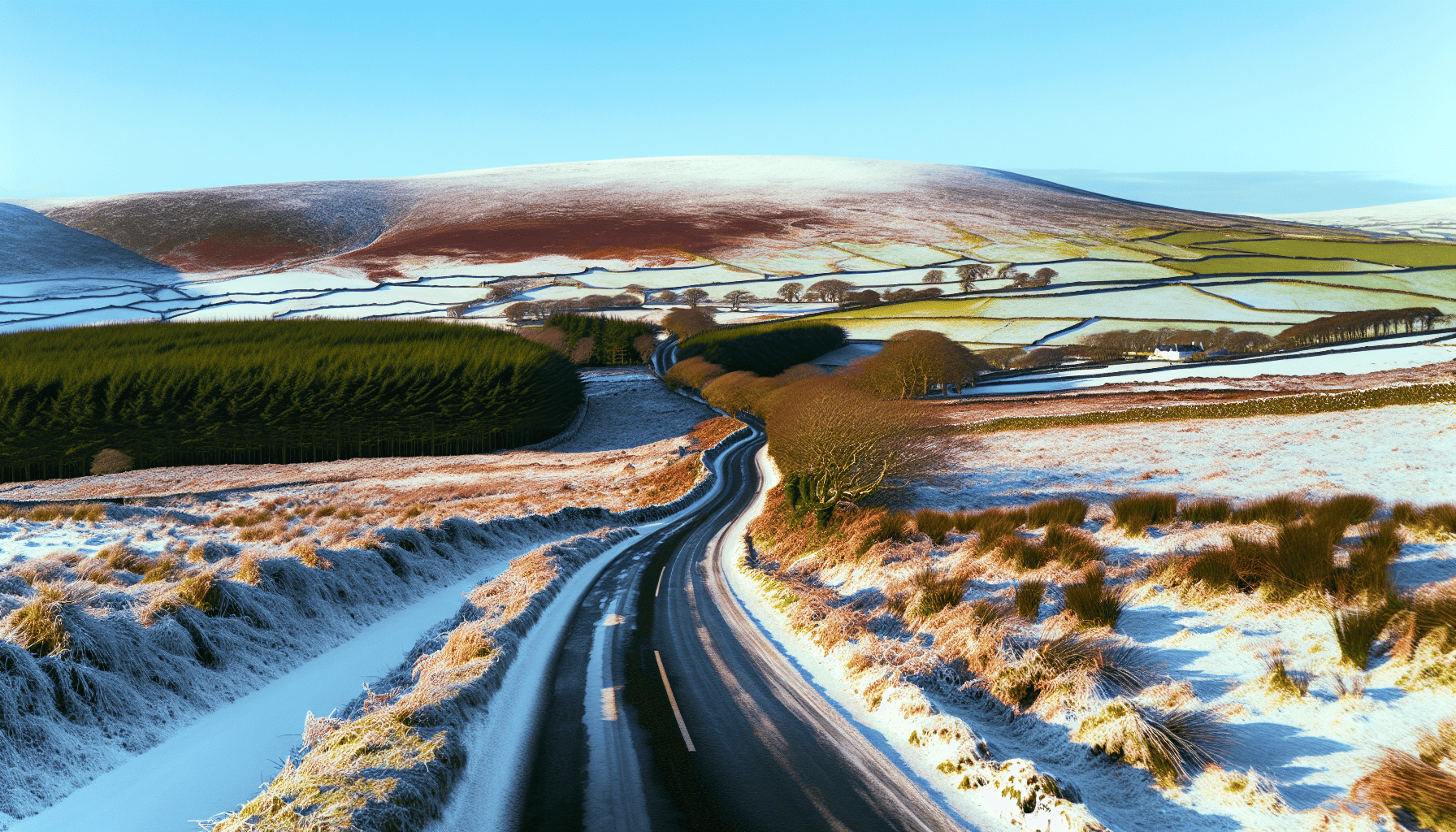
Scenic winter drives include the Antrim coast, Connemara, and Killarney, alongside quieter versions of routes like the Inishowen 100 in Donegal. Winter hiking trails and coastal walks are generally at their least crowded this time of year - just check weather and road conditions before setting out.
Frequently Asked Questions
How cold is Ireland in winter? Not extremely - average temperatures sit around 5-8°C, thanks to the moderating effect of the Gulf Stream.
Is it worth visiting Ireland in winter? Yes - for Christmas and New Year celebrations, stargazing and Northern Lights chances, quieter attractions, and a more authentic slice of everyday Irish life.
What months count as winter in Ireland? Meteorologically, December, January, and February.