Ireland’s countryside and coastal waters host a genuinely rich range of wildlife, from secretive woodland mammals to visiting whales offshore.
Ireland’s Biodiversity
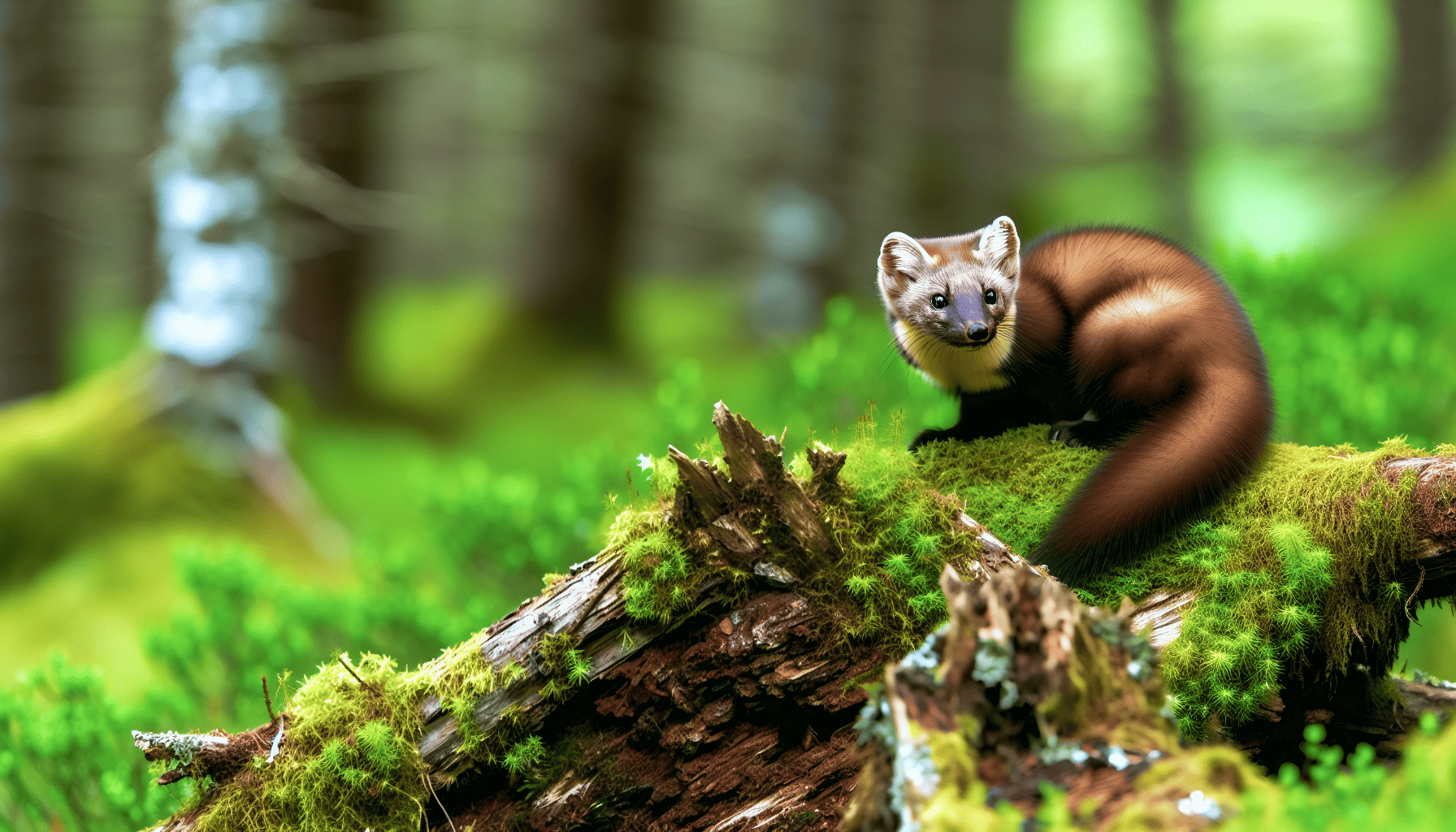
Ireland’s varied habitats support species including the pine marten, red squirrel, lesser horseshoe bat, and great yellow bumblebee on land, alongside marine life including dolphins, seals, and fin whales offshore. Common terrestrial species include the red fox, European hedgehog, stoat, otter, badger, and the native red deer and Irish hare. Birdlife includes the Tawny Owl, Nuthatch, and several woodpecker species.
Marine Life
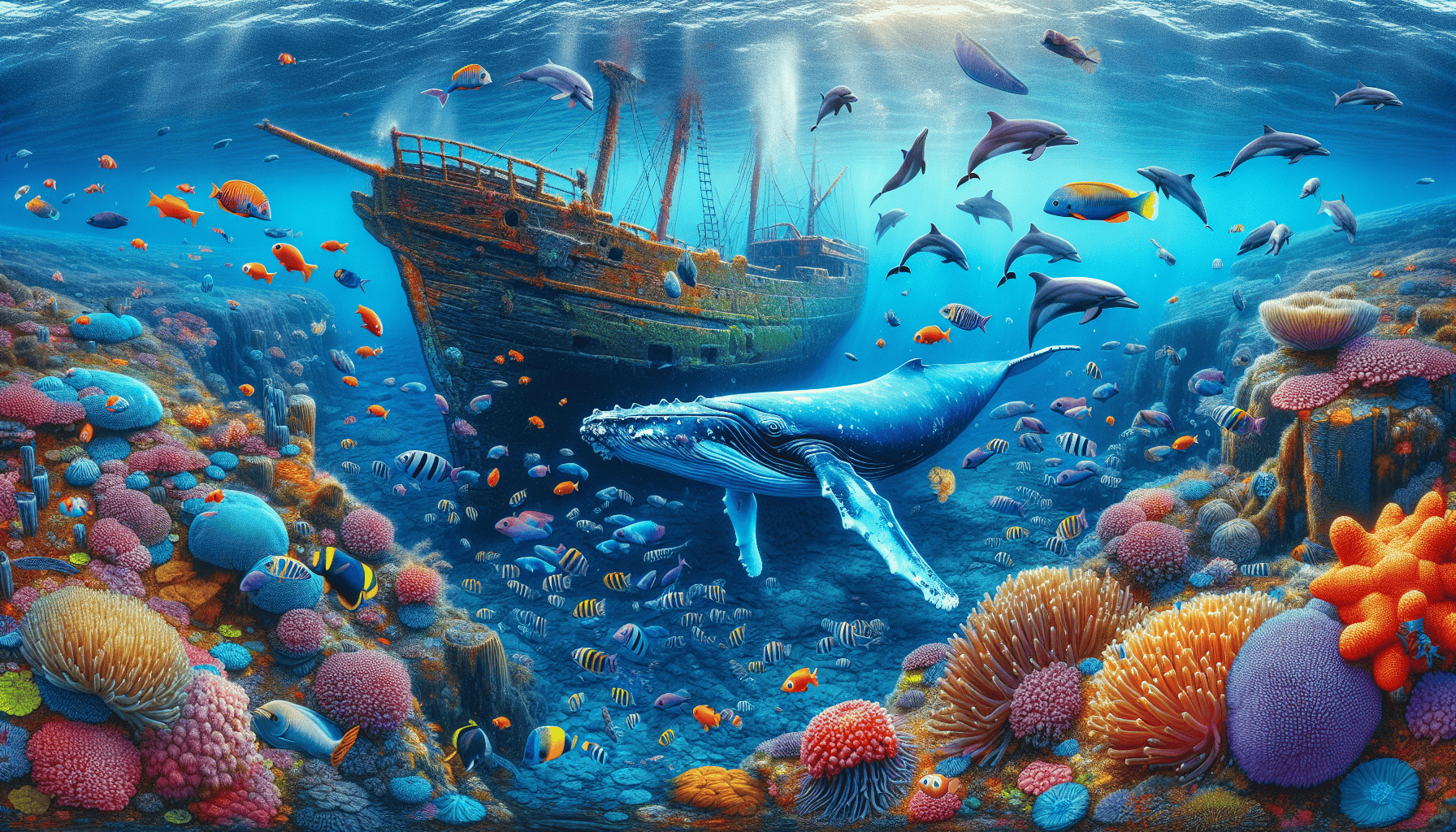
Ireland’s waters, especially off the west coast, support harbour porpoise, bottlenose and common dolphins, minke whales, and basking sharks, alongside dogfish, sunfish, and lobsters. Brown bears, now long extinct, were once native to Ireland during the last ice age.
Terrestrial Mammals
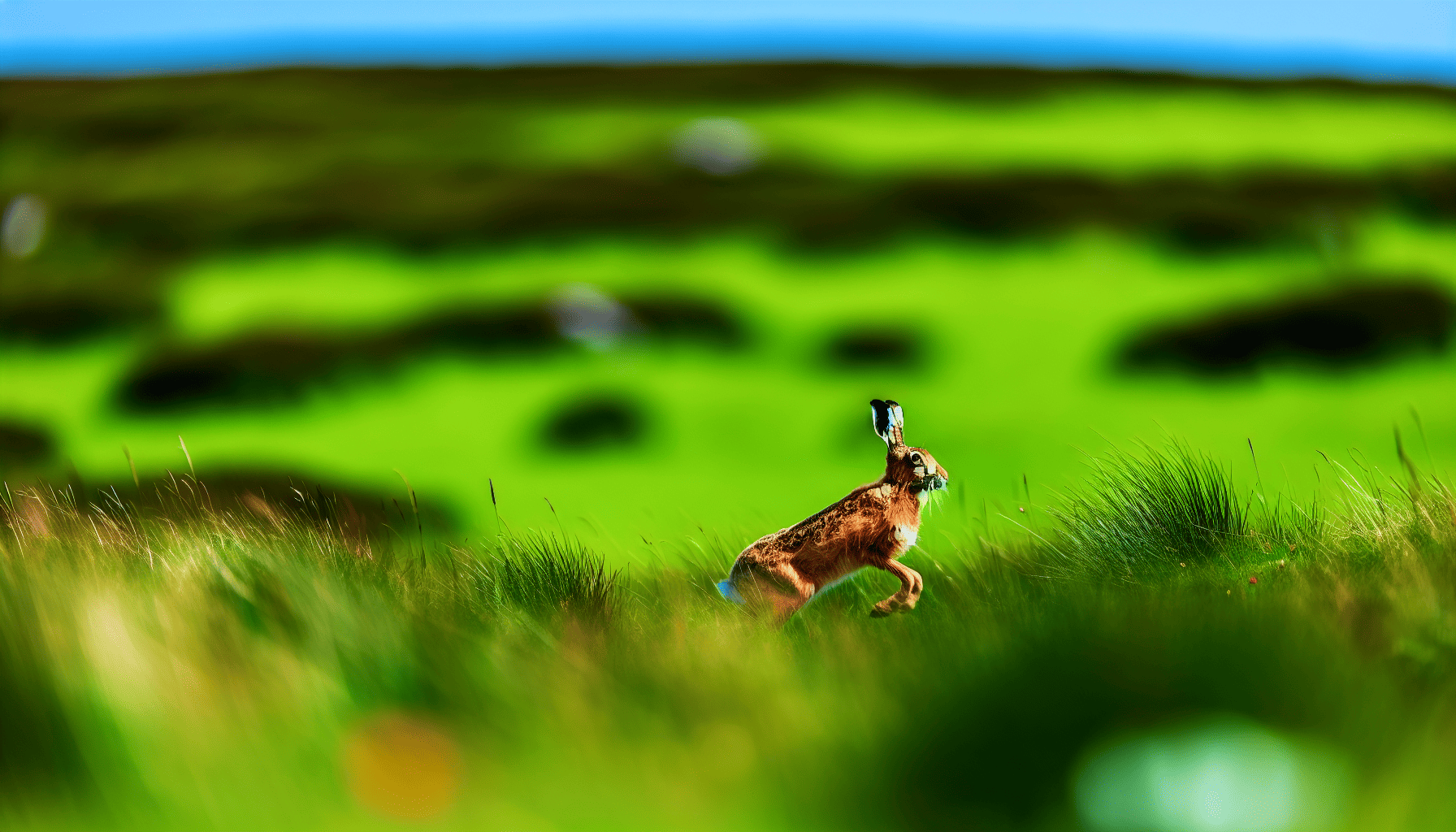
Native mammals include the pine marten (cat-sized, with a distinctive creamy throat bib), the Irish hare (found in habitats from coastal dunes to mountain tops), badgers (an estimated 250,000 individuals across some 50,000 setts, concentrated in the southwest), red deer, and the native Connemara pony, whose population has declined due to economic and health pressures.
Birdlife
Ireland hosts species from the Tawny Owl and Willow Tit to Nuthatch and various woodpeckers, alongside migratory visitors like the Brent Goose and Whooper Swan. Coastal cliffs support breeding gannets and kittiwakes - the only gull species that nests exclusively on cliffs - and Ireland occasionally records rare vagrant species including the Veery, White-rumped Sandpiper, and Rustic Bunting.
Ireland’s National Parks
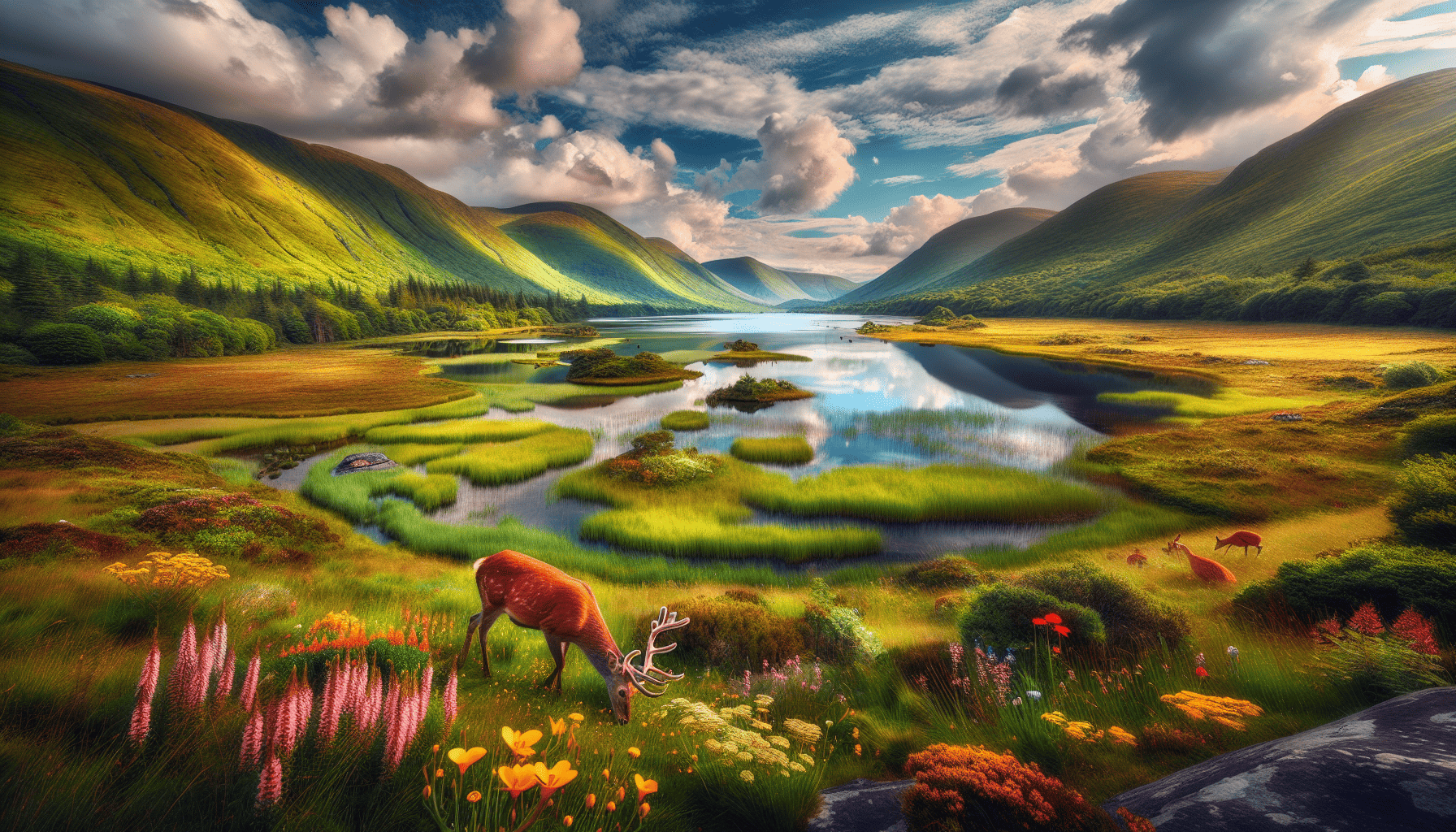
Ireland’s national parks are key wildlife sanctuaries. Killarney National Park, in County Kerry, was Ireland’s first national park, established in 1932 when the Muckross Estate was donated to the Irish state by Senator Arthur Vincent in memory of his late wife. It now covers a much larger area of bogs, lakes, moorland, mountains, and woodland, including the largest area of semi-natural native woodland in Ireland.
Killarney’s wildlife includes foxes, hares, rabbits, badgers, pine martens, red and sika deer, and red squirrels. Its red deer represent Ireland’s last surviving native herd, present since Neolithic times. Genuinely recorded birdlife includes species like the White-tailed Sea Eagle, Peregrine Falcon, Merlin, Buzzard, and Great Spotted Woodpecker, alongside the Greenland White-fronted Goose, a real winter visitor to Ireland.
Connemara National Park, established in 1980, covers around 2,000 hectares of mountains, bogs, heaths, grasslands, and forest, with attractions including Diamond Hill, Kylemore Abbey, and Killary Fjord nearby. Other Irish national parks include Glenveagh, the Burren, and Wicklow Mountains.
Rare and Endangered Species
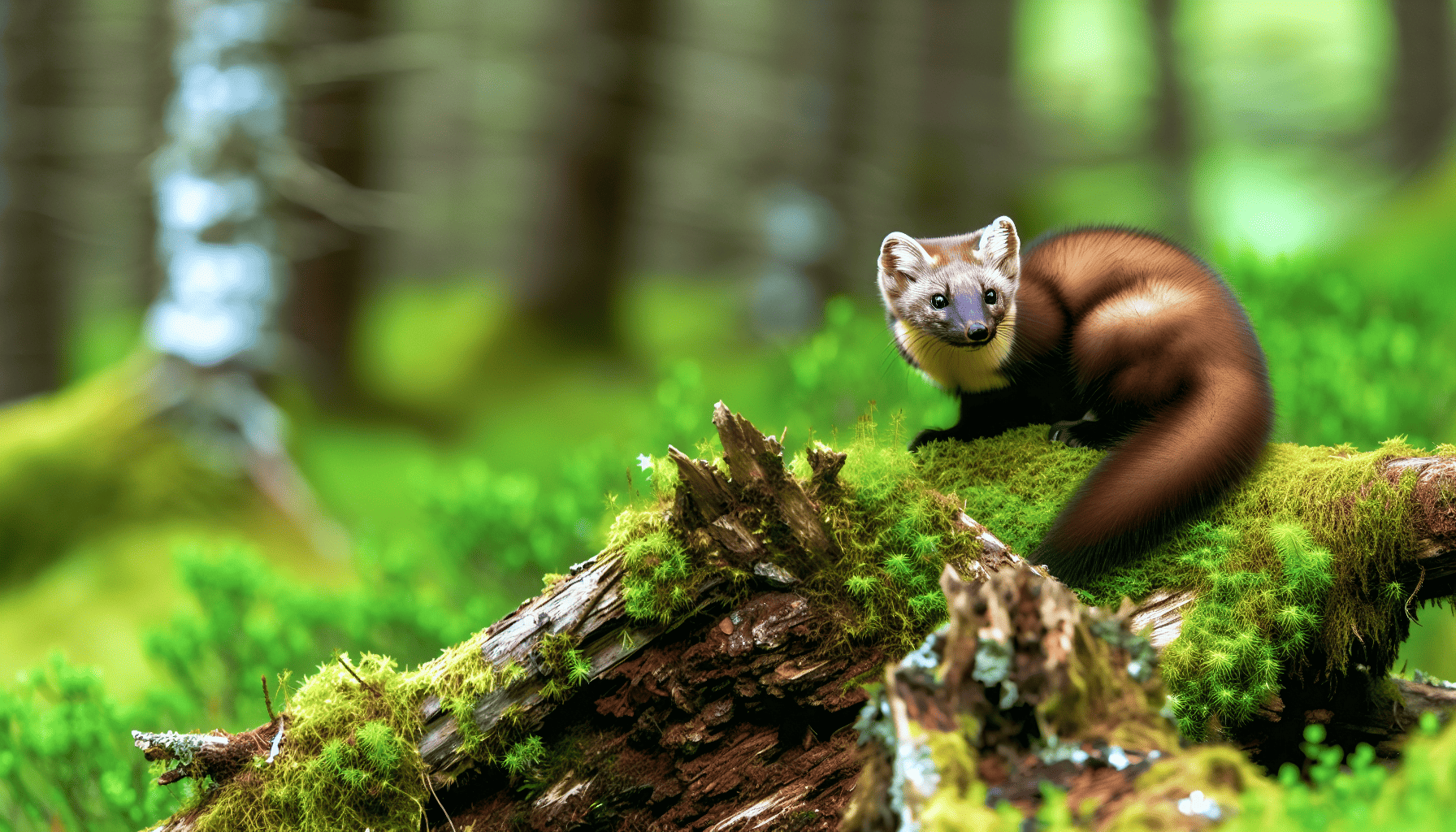
The pine marten, otters, red squirrels, and great yellow bumblebee are among Ireland’s rarer species. The pine marten has legal protection under the Wildlife Act 1976, having declined significantly in past decades, with projects like the Arden Wood Pine Marten Project supporting its recovery in Northern Ireland. Ireland’s otter population is considered relatively stable by European standards, while the great yellow bumblebee is classified as Endangered on the Irish Red List. Red squirrels face pressure from competition with introduced grey squirrels, predation, and squirrelpox virus spread by grey squirrels.
Wildlife in Irish Folklore
Irish folklore has long shaped how the country’s wildlife is perceived - hares are traditionally linked to the Otherworld, and the legend of St Patrick banishing snakes from Ireland persists despite the fact that post-glacial Ireland never had native snakes to begin with.
Remote Islands
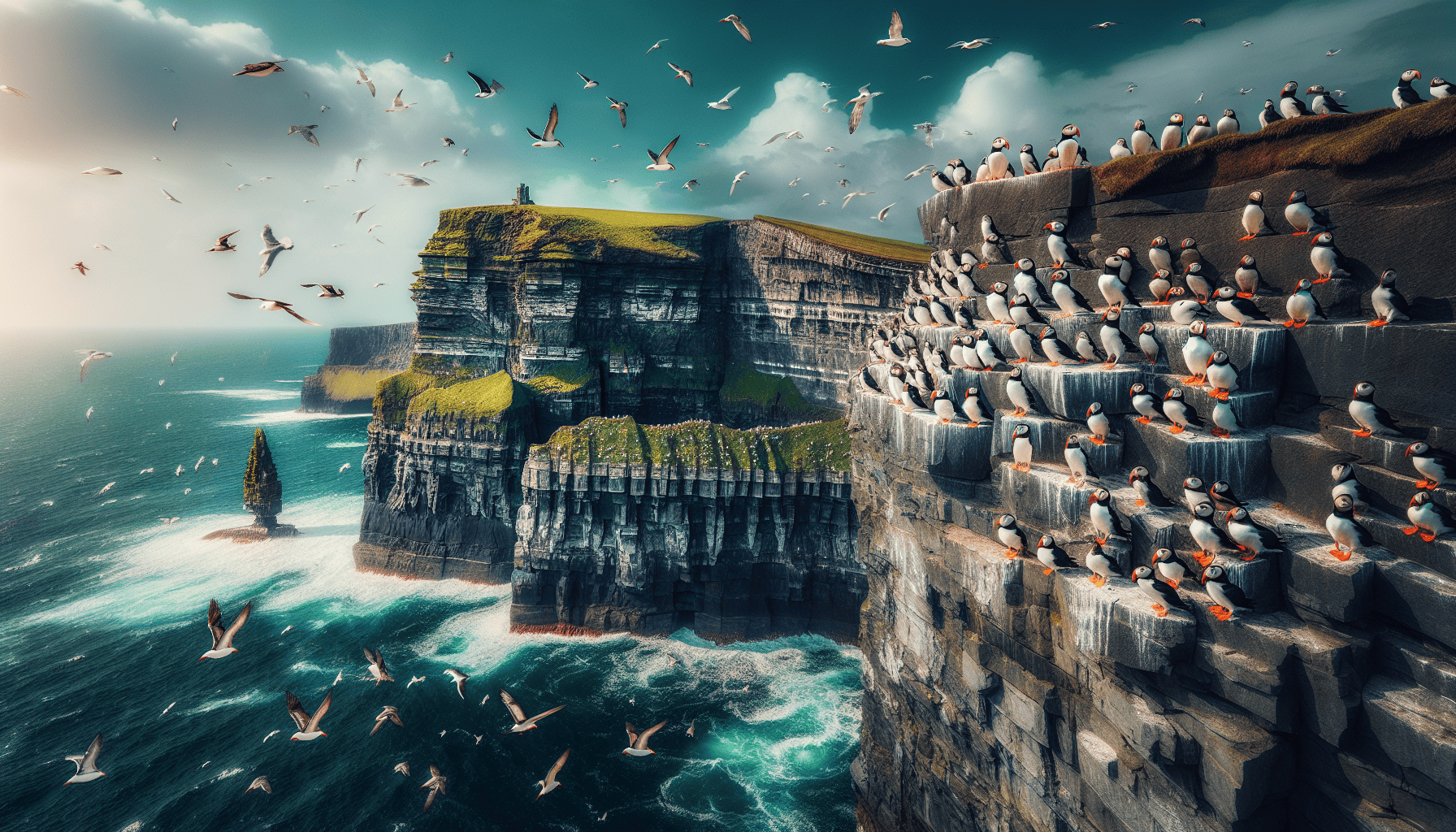
Ireland’s remote islands - the Aran Islands, the Blasket Islands, Inishbofin, Clare Island, and Rathlin Island among them - offer some of the country’s best wildlife watching, including seabird colonies of puffins, gannets, and guillemots. Rathlin Island hosts Northern Ireland’s largest seabird colony.
Seasonal Highlights
Puffins are best spotted during their April–August breeding season (the Cliffs of Moher are particularly good from late May to mid-July), while dolphin and whale sightings peak from late summer into autumn along the coast.
Responsible Wildlife Watching
Keep a respectful distance from wildlife, never pursue or feed animals, and stick to marked paths to avoid disturbing habitats - irresponsible wildlife watching can stress animals, disrupt migratory patterns, and damage the habitats that support them in the first place.