Two targeted fixes, on an otherwise reasonable guide - flagged separately as a scope question: this article covers driving in the Republic of Ireland specifically; Northern Ireland-specific detail (mph, GBP, different sign conventions) isn’t included here, worth a real editorial look given this site’s focus.
Choosing a Rental Car
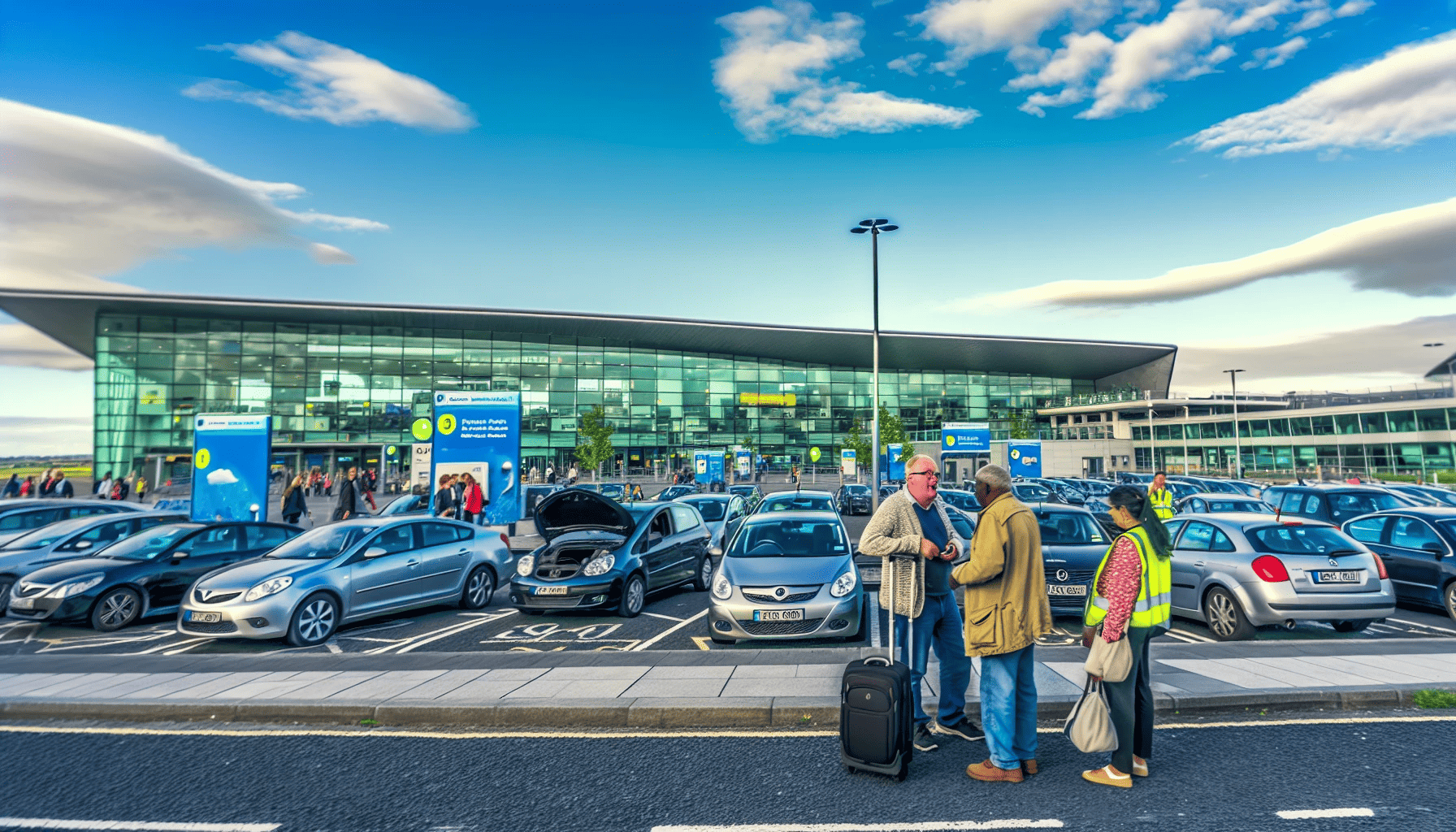
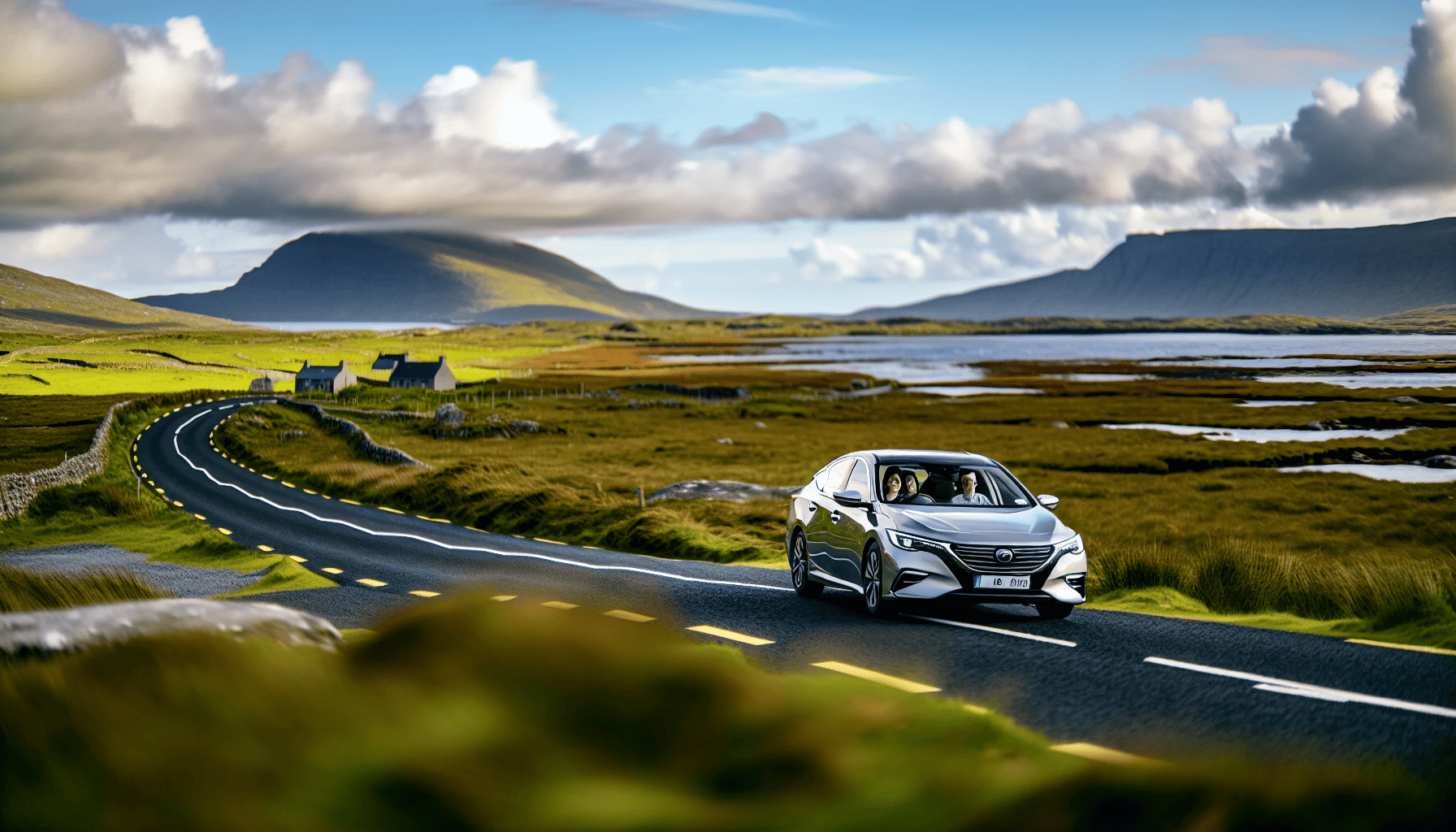
A smaller car with automatic transmission is generally easiest for visitors unused to driving on the left, given narrow country roads and tight parking. Understand your rental agreement’s insurance coverage, mileage limits, and cross-border terms (travel between Ireland and Northern Ireland should be flagged with your rental company) before you set off, and book ahead in peak season (May-September).
Collision Damage Waiver (CDW) insurance is mandatory in Ireland, typically capping your liability around €2,500; Super CDW reduces this further, often to around €100.
Driving on the Left
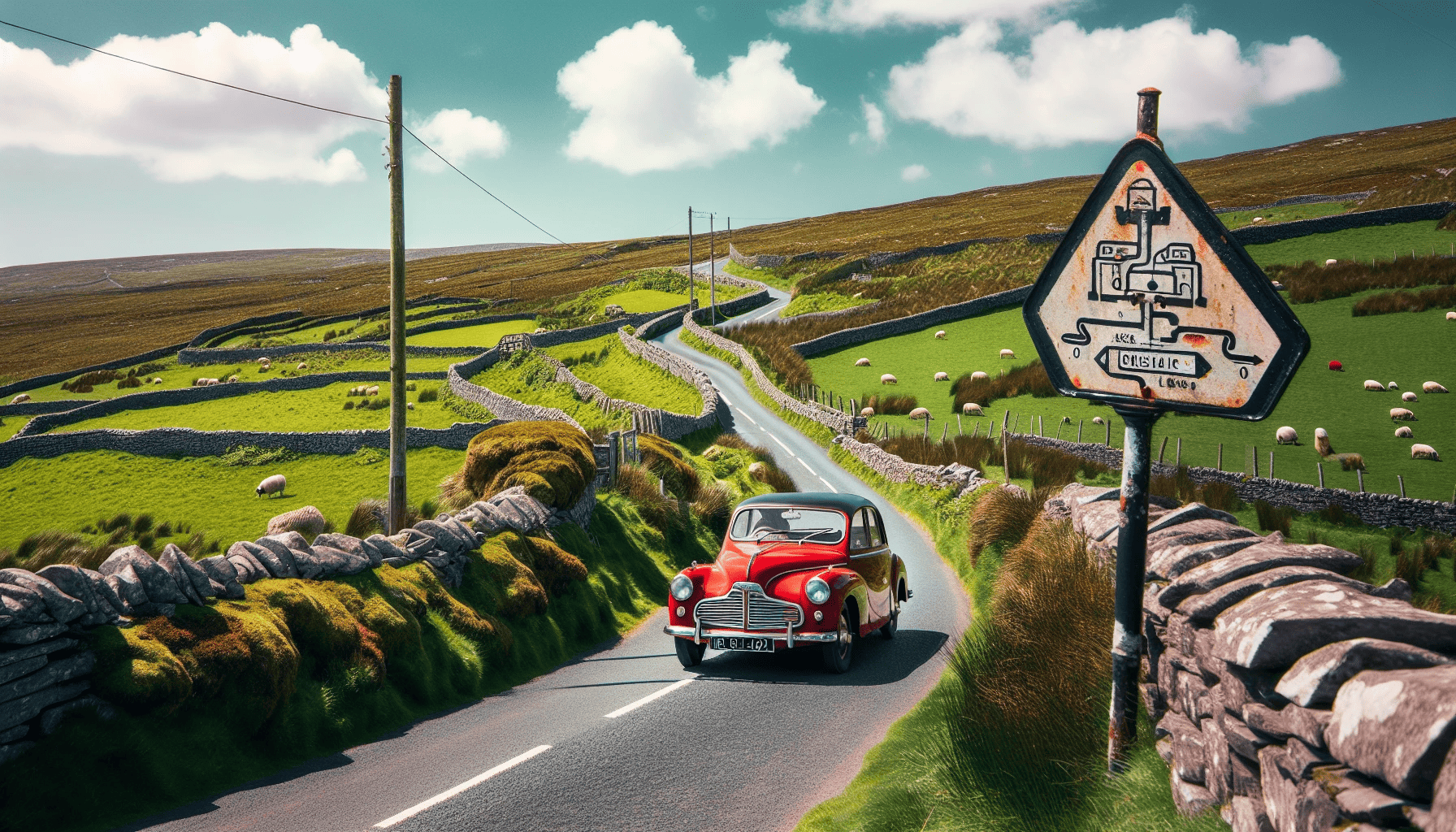
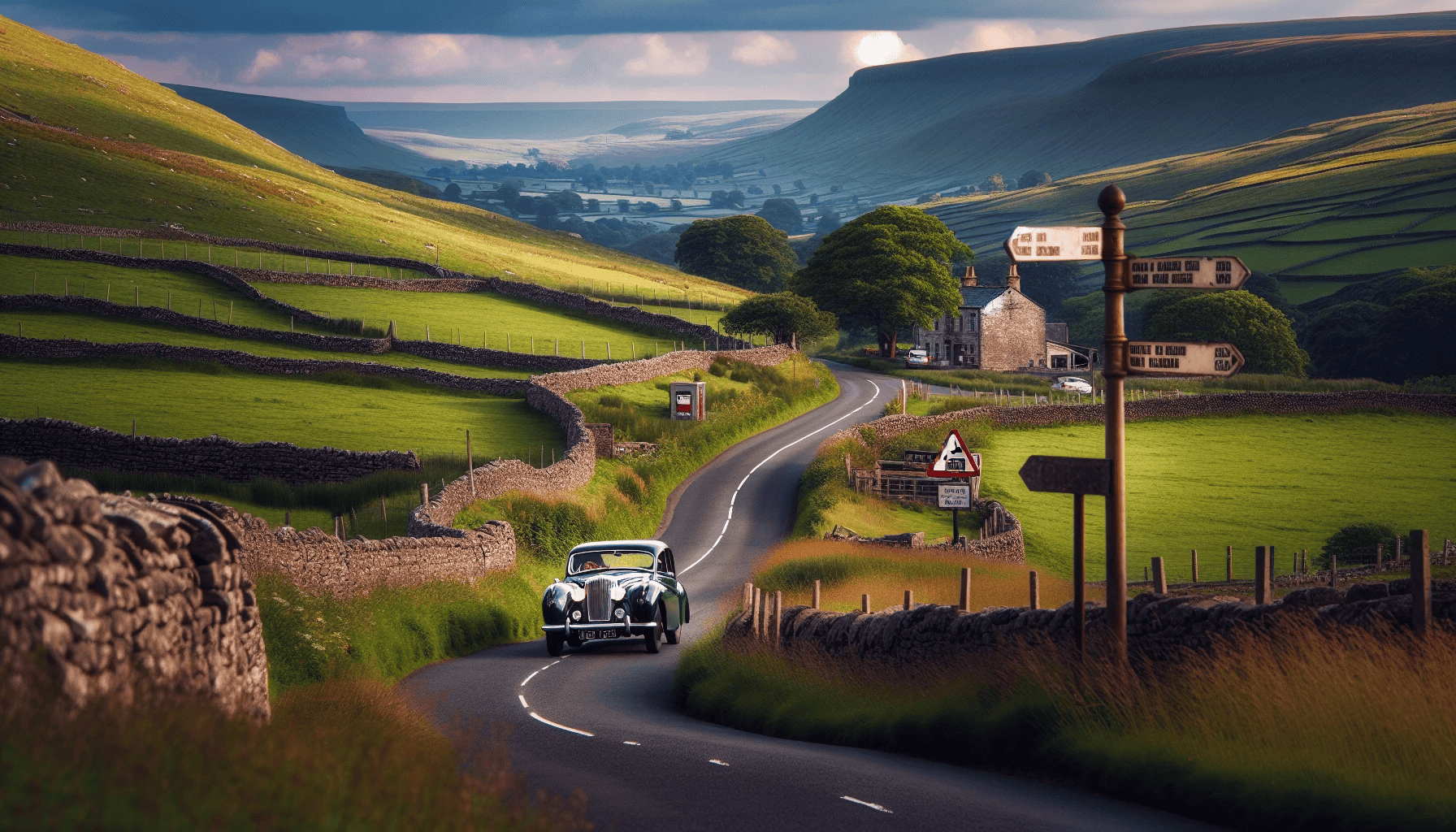
Check mirrors frequently - they’re your main reference for road position, especially on narrow roads where oncoming trucks or buses need space. Automatic transmission is generally recommended for those new to left-hand driving, letting you focus on positioning rather than gear changes.
Roundabouts
Traffic circulates clockwise; yield to vehicles already on the roundabout, approach in the right-hand lane unless marked otherwise, and signal your intended exit.
Speed Limits and Road Signs
Current default speed limits in the Republic of Ireland: 50 km/h in urban areas, 100 km/h on national roads, and 120 km/h on motorways. Rural local roads (‘L’ roads) now default to 60 km/h, reduced from 80 km/h under the Road Traffic Act 2024, effective 7 February 2025 - a real, relatively recent change worth knowing before you drive rural back roads. Regional roads retain other posted limits - check signage rather than assuming a single blanket figure.
Speed limit signs resemble UK ones - a white circle with a black band. Many road signs are in Irish as well as English; national road signs are green with white lettering, motorway signs blue with white lettering.
Licences and Insurance
Visitors from the US, Canada, and the EU can drive on a valid home licence for up to 12 months; others may need an International Driving Permit. Third-party insurance is mandatory; CDW is required for rental cars specifically.
Parking and Tolls
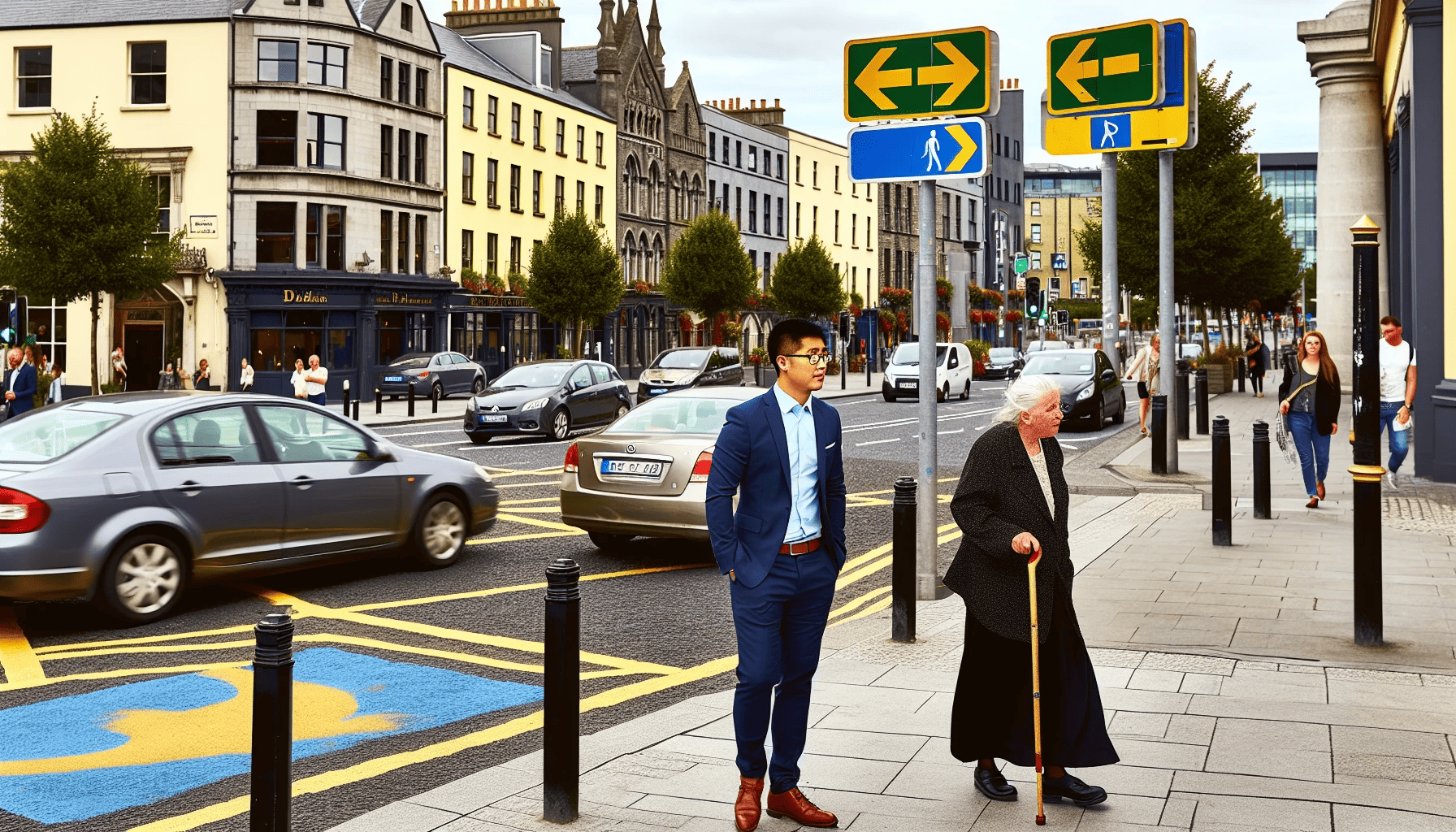
Ireland has around 11 toll roads, including major motorways and some bridges - most GPS systems can route around them if you prefer. The M50 toll (Dublin) must be paid online by 8pm the following day. Town-centre parking is often regulated and can be pricier than expected; apps like the Parking Tag App help with finding and paying for spaces.
Fuel
Petrol stations are widespread, including major chains like Circle K, Maxol, Top Oil, and Applegreen, most self-service. Diesel is generally more fuel-efficient and cheaper per litre than petrol. Fuel prices change frequently - check current prices via an app (Pumps.ie, Fuel Up Finder) or at the pump rather than relying on any fixed figure quoted here.
Weather and Road Conditions
Winter brings icy patches; autumn brings fog, especially in November; summer brings more traffic and occasional Garda checkpoints. Rural roads carry their own hazards - winding routes, hidden dips, and slow farm machinery - so drive to conditions, not just the posted limit.
Local Etiquette
Irish drivers are generally courteous - a raised hand in thanks when someone gives way is standard practice. Use indicators, keep a safe following distance, and expect to encounter livestock or slow machinery on rural roads.
Seat Belts and Child Safety
Seat belts are mandatory for all passengers where fitted; failure to wear one can mean penalty points and a fine. Children under 150cm or 36kg require an appropriate child restraint; infants under 15 months must be rear-facing.
Navigation
GPS and smartphone apps (Google Maps, Waze) offer real-time updates and toll information; combining these with a traditional map as backup is a sensible approach for rural areas with patchy signal.
Frequently Asked Questions
Can an American drive in Ireland? Yes, for up to 12 months on a valid US licence as a tourist; an International Driving Permit can be arranged via AAA if needed.
Which side do cars drive on? The left.
Can you turn left on red? No, not as standard - only where specifically permitted by a flashing yellow arrow signal, and only when the road is clear.
Best car for driving in Ireland? A smaller car with automatic transmission, for easier manoeuvring on narrow roads and tighter parking.
Is insurance mandatory for rental cars? Yes - third-party insurance and CDW are both required.