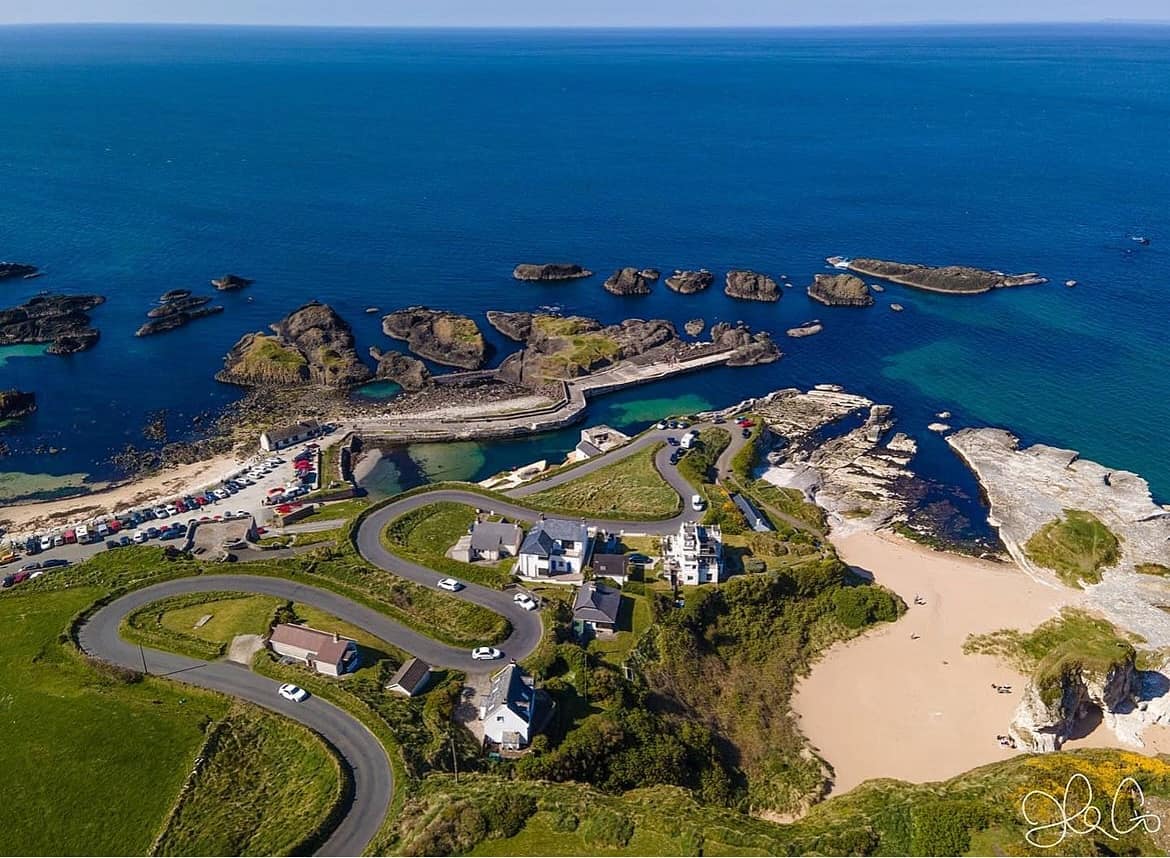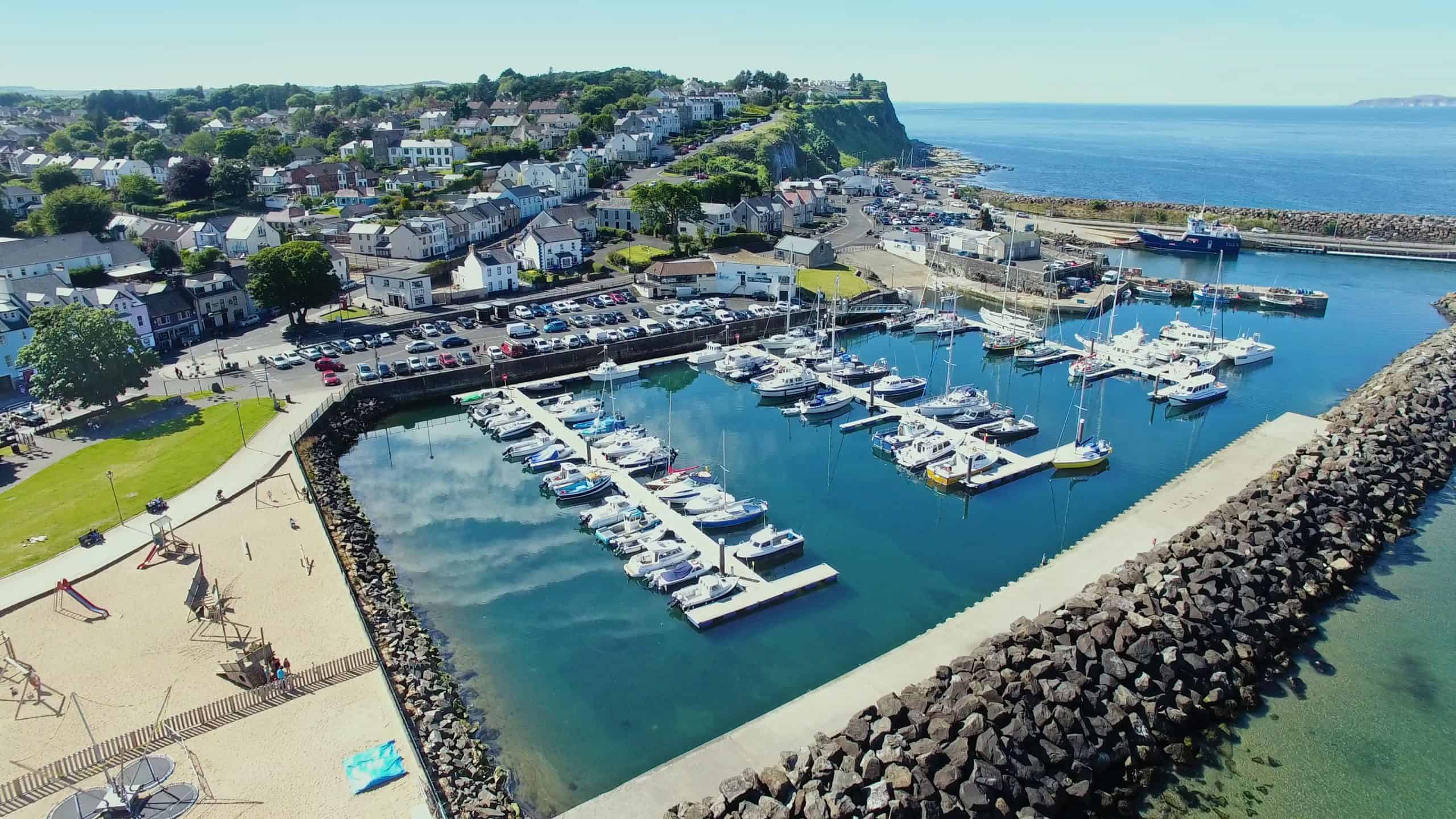
Carlingford, on the southern shore of Carlingford Lough in County Louth (Republic of Ireland), combines well-preserved medieval buildings with the Cooley Peninsula’s hiking country - worth noting as outside Northern Ireland proper, though within easy reach of the Causeway Coast/wider-NI region this site otherwise covers.
Medieval Landmarks
King John’s Castle (also called Carlingford Castle) was built around 1190 by Norman baron Hugh de Lacy, and later seized by King John of England in 1210. It later served as a base for wounded soldiers following the 1690 Battle of the Boyne. Taaffe’s Castle, built in the 16th century as a four-storey townhouse and trading depot, is now a pub on the main street. The Tholsel Gate, a 15th-century gatehouse and carriage arch, is a rare surviving example of a medieval town gateway in Ireland, repaired in the 19th century under Lord Anglesey.
Notable Person
Thomas D’Arcy McGee (1825-1868), born in Carlingford, became a significant figure in Canadian politics, helping found the Canadian Confederation in 1867 before his assassination the following year. A statue commemorates him in the town.
The Cooley Peninsula
Home to Slieve Foye (also called Carlingford Mountain), the tallest peak in County Louth at 588m, formed from limestone rather than the granite of the Mourne Mountains visible across the lough. Walking routes include the long-distance Tain Way and the shorter Barnavave Loop (around 12.6km), both offering views across Carlingford Lough to the Mournes, and - on clear days - as far as the Isle of Man.