Full rewrite candidate, not done in this pass. This page is long, generically AI-structured, and several years old - the fixes below are targeted corrections to the two clearest dated-language issues, not a verification of everything on the page.
Belfast, the capital of Northern Ireland, is a captivating city with history, culture, and unforgettable experiences. From its rich industrial past to its lively arts and culinary scenes, Belfast offers a unique blend of old-world charm and modern innovation.
Discovering Belfast’s Rich History
Belfast boasts a fascinating history that stretches back millennia. From its early Bronze and Iron Age settlements to its role in the Industrial Revolution, Northern Ireland’s capital city has seen its fair share of triumph and turmoil. The Troubles, a period of civil conflict in the 20th century, left a lasting impact on Belfast’s modern identity - yet the city’s storied past has paved the way for a thriving tourism industry today.
Early Settlements and Growth
Belfast’s earliest history can be traced back to the Bronze Age, with the Giant’s Ring, a 5,000-year- old henge near the city. The remains of Iron Age hill forts are still visible in the surrounding hills. The River Lagan has played a significant role in the city’s development, providing a natural resource for trade and industry.
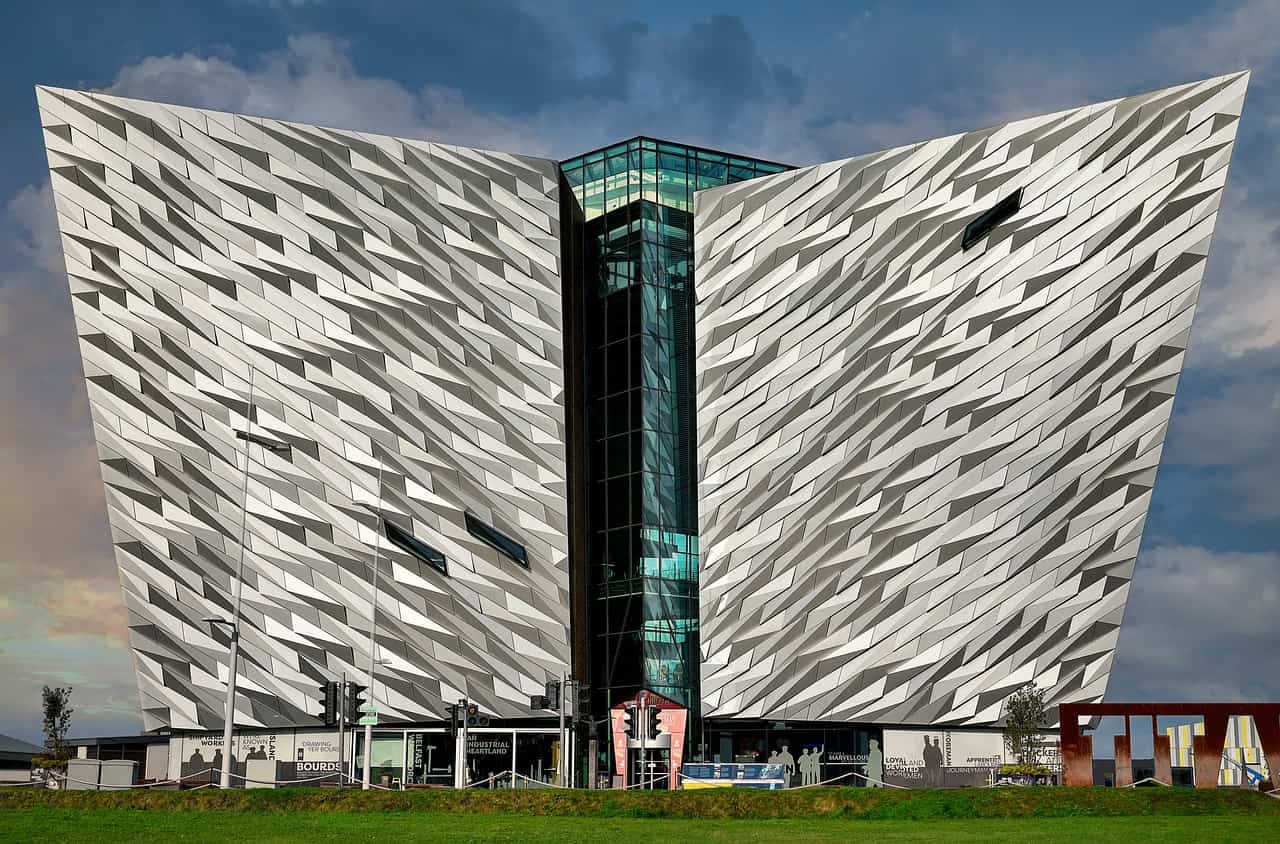
The city experienced rapid growth during the 19th century, driven by the flourishing linen trade and shipbuilding industry. At one point, Belfast was the world’s leading producer of linen, and its shipyards constructed the Titanic.
The Troubles
The Troubles, a period of civil unrest, had a profound impact on Belfast. The most significant single event was Bloody Friday, when the Provisional IRA detonated 22 bombs within the city centre in one afternoon, resulting in nine lives lost. One of the lasting legacies of the Troubles is the presence of peace lines, physical barriers that still separate loyalist and republican districts in parts of the city today.
Getting Around Belfast
Belfast is straightforward to navigate, with walking tours, public transport, and bicycle rentals all available. Popular walking tours include Belfast Highlights tours and political/conflict-history tours through areas such as the Falls and Shankill Roads.
Frequently Asked Questions
Is Belfast in the Republic of Ireland? No - Belfast is the capital of Northern Ireland, which is part of the United Kingdom, not the Republic of Ireland, even though it sits on the island of Ireland.
How many days do I need in Belfast? With 2 full days, you’ll be able to experience the best of Belfast. The city centre is compact and largely flat, making it easy to explore on foot.
Should I go to Belfast or Dublin? If you’re looking for a more international experience with better transport connections, Dublin may suit you better. If you’d rather explore a smaller, historically dense city, Belfast is a strong choice.
Is Belfast a cheap city? Belfast is generally considered cheaper to visit than London. One often-cited figure put a single person’s monthly living costs at around £660.50, excluding rent, as of late 2022 - that’s a specific, dated snapshot rather than a current figure, and cost-of-living data moves quickly, so treat it as historical context rather than a number to budget against today.
What are the best ways to get around Belfast? Walking tours, public transport, and bicycle rentals are all convenient options for exploring the city.