Northern Ireland served as the primary filming location for HBO’s Game of Thrones from 2011 to 2019, and a dedicated tour is one of the most popular ways to see the real castles, forests, and coastlines that became the Seven Kingdoms.
What a Game of Thrones Tour Covers
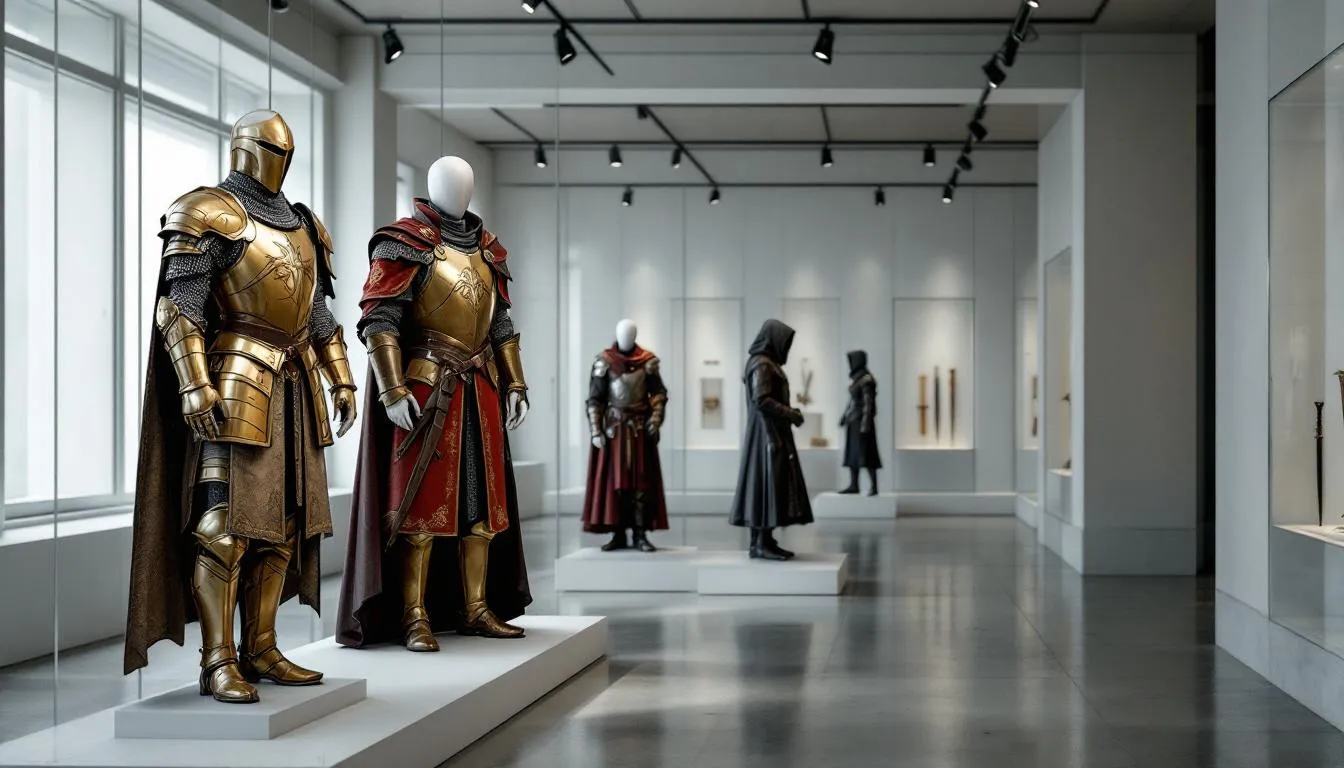
Most operators run full-day coach tours departing Belfast city centre around 9am, following the Causeway Coastal Route and covering the essential filming locations in a single day - typically 9-10 hours including travel, stops, and a lunch break. Private tours with flexible itineraries and costume dress-up options are also widely available, alongside a standalone studio tour experience.
Key Filming Locations
The Dark Hedges, an atmospheric avenue of beech trees planted in the 18th century by the Stuart family as an approach to their Georgian mansion, doubled as the Kingsroad - the route along which Arya Stark fled King’s Landing in Season 2.
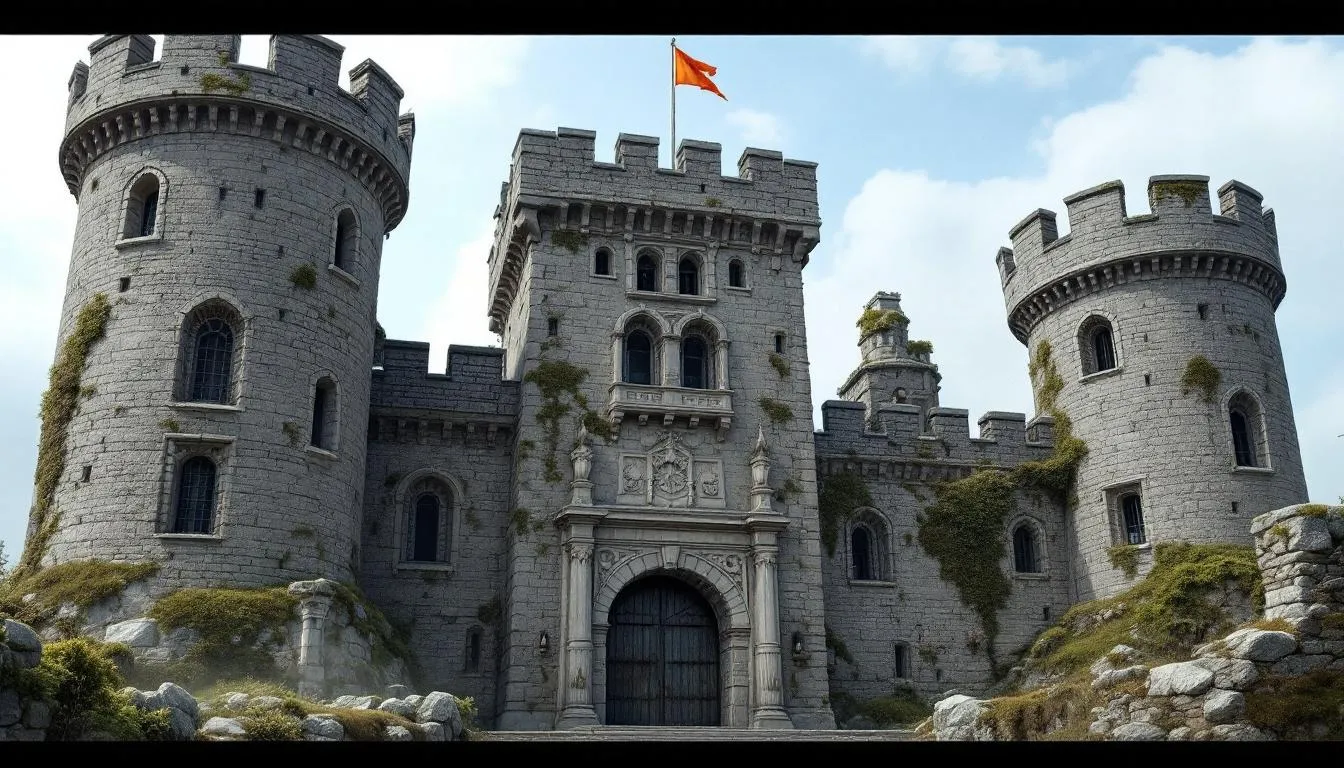
Castle Ward, a National Trust property in County Down, provided the exterior location for Winterfell, the ancestral seat of House Stark, including the courtyard used for early archery-practice scenes.
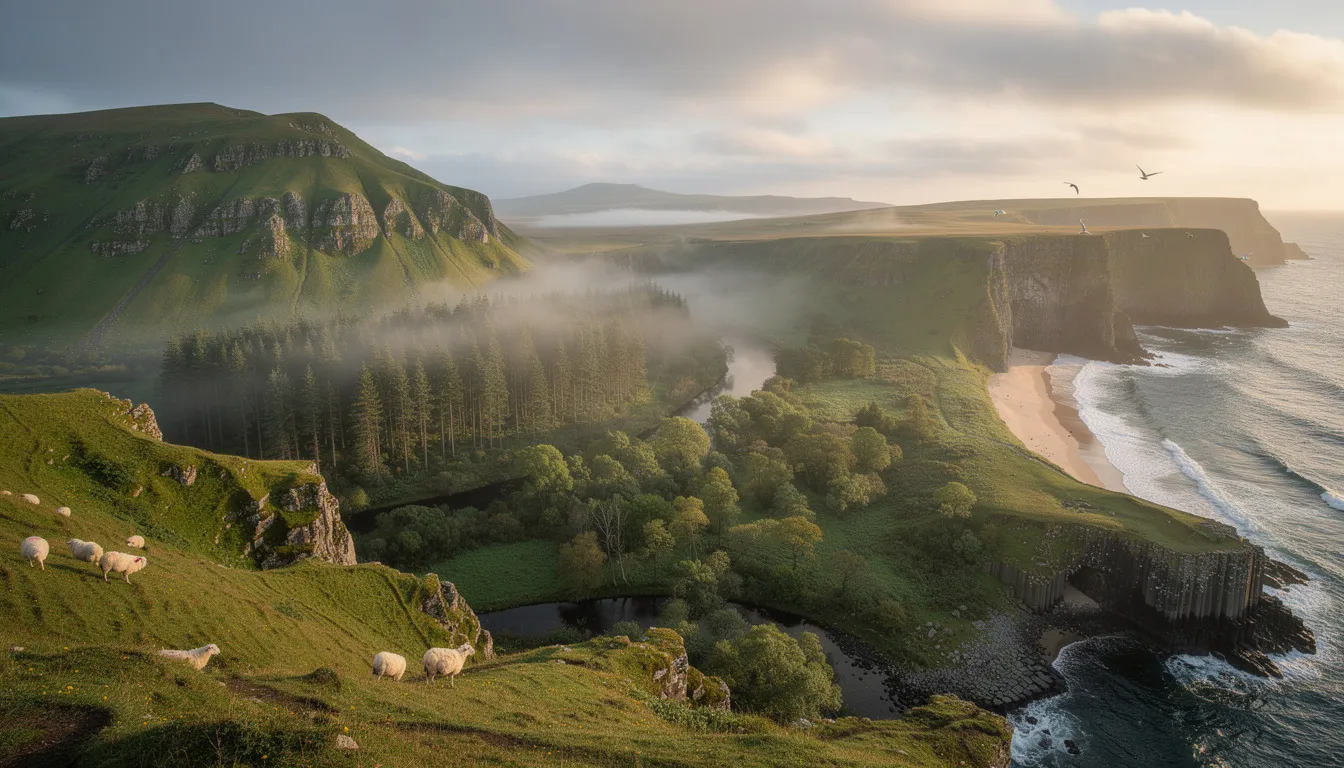
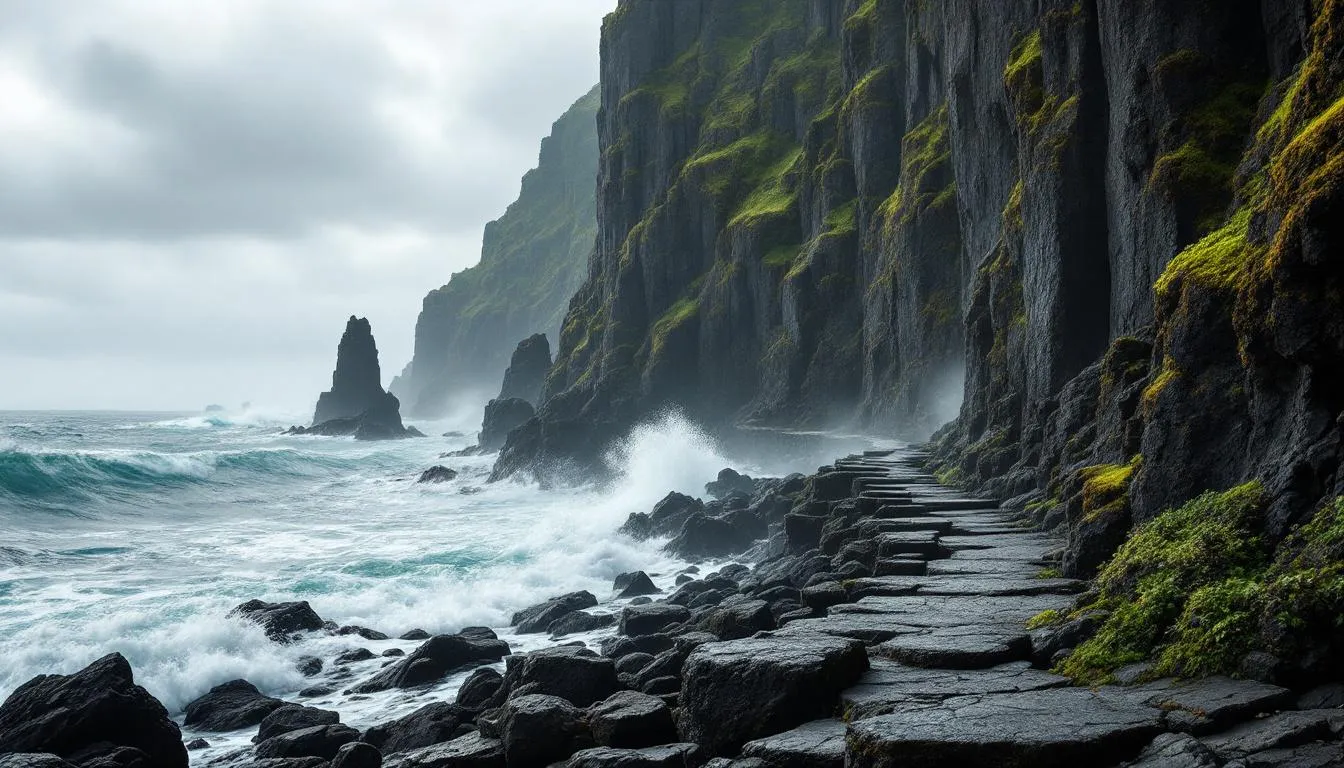
Dunluce Castle, a dramatic clifftop ruin on the Causeway Coast with parts dating back to the 13th century (though most of what’s visible today was built in the late 16th century), served as the exterior of House Greyjoy’s stronghold on the Iron Islands.
Ballintoy Harbour, a small working harbour on the Causeway Coastal Route, doubled as the Iron Islands port of Pyke.
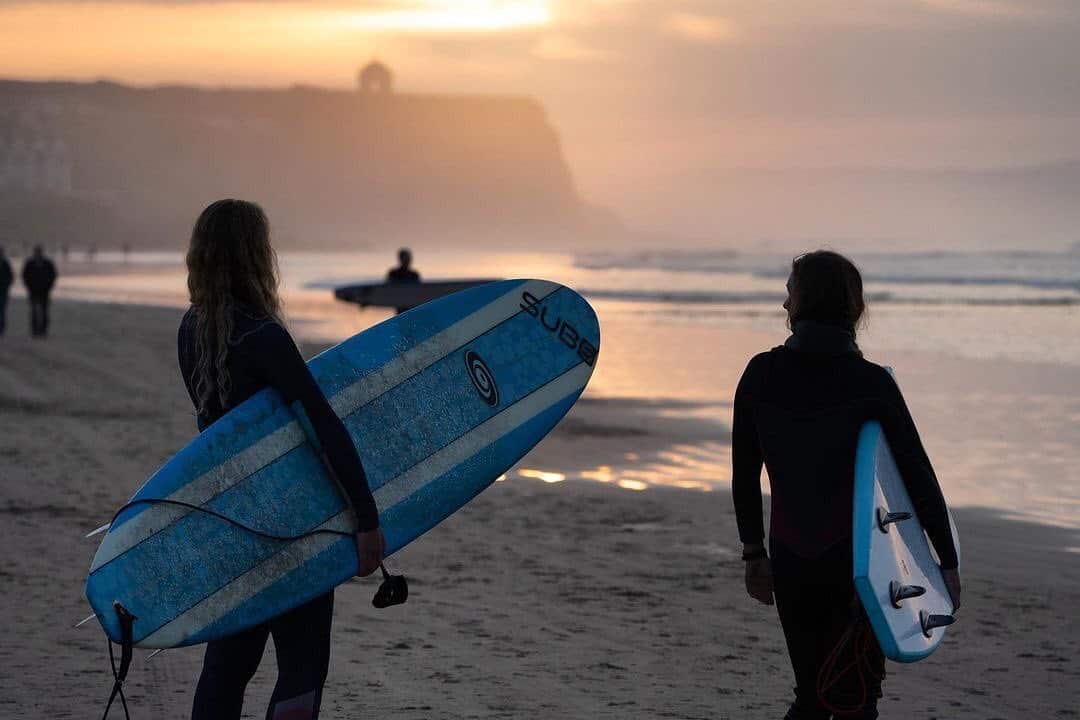
Downhill Beach, an expansive stretch of sand in County Londonderry, and Mussenden Temple, a circular clifftop folly built in 1785, together provided the setting for Dragonstone scenes involving Stannis Baratheon and Melisandre.
The Game of Thrones Studio Tour, an independently operated attraction at Linen Mill Studios in Banbridge, houses original costumes, props, and set pieces from the series, offering a behind-the- scenes look at how the show was made.
Belfast’s Role in Production
Belfast’s Titanic Studios, including the Paint Hall, served as the main production base throughout the show’s run, housing major interior sets. The city also carries lasting Thrones-themed public art: the Glass of Thrones trail, ten stained glass windows installed in pubs and venues around Belfast, and the Doors of Thrones, ten carved doors made from wood salvaged from fallen Dark Hedges trees and displayed in bars around the city.
Planning Your Visit
Peak season (April-October) offers the longest daylight hours for photography; summer months bring the biggest crowds to popular stops like the Dark Hedges and Castle Ward. Spring and autumn offer a good compromise of decent weather and thinner crowds. Advance booking is recommended, particularly in summer, since popular tours can sell out. Comfortable walking shoes and weather-appropriate clothing are worth packing regardless of season, since several stops involve uneven ground and exposed coastal conditions.